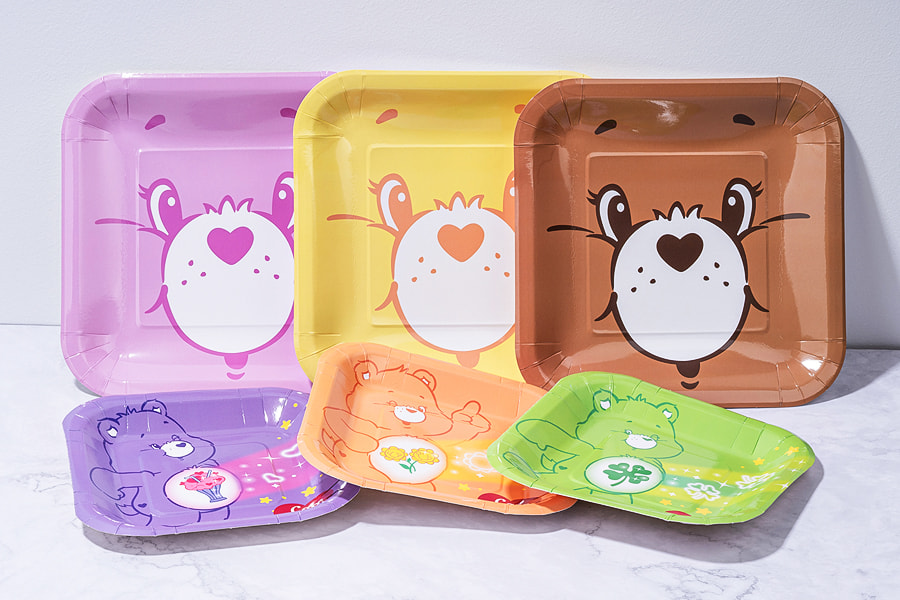
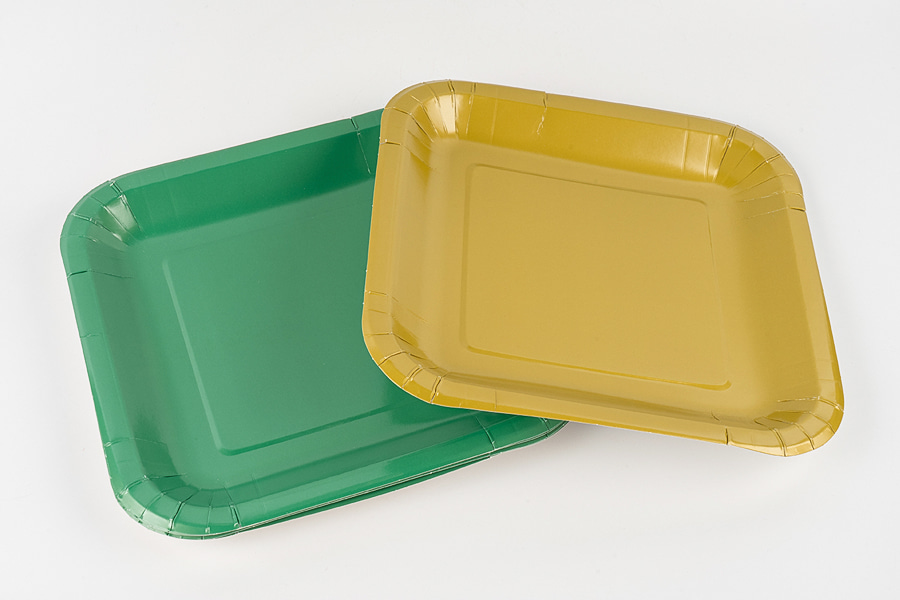
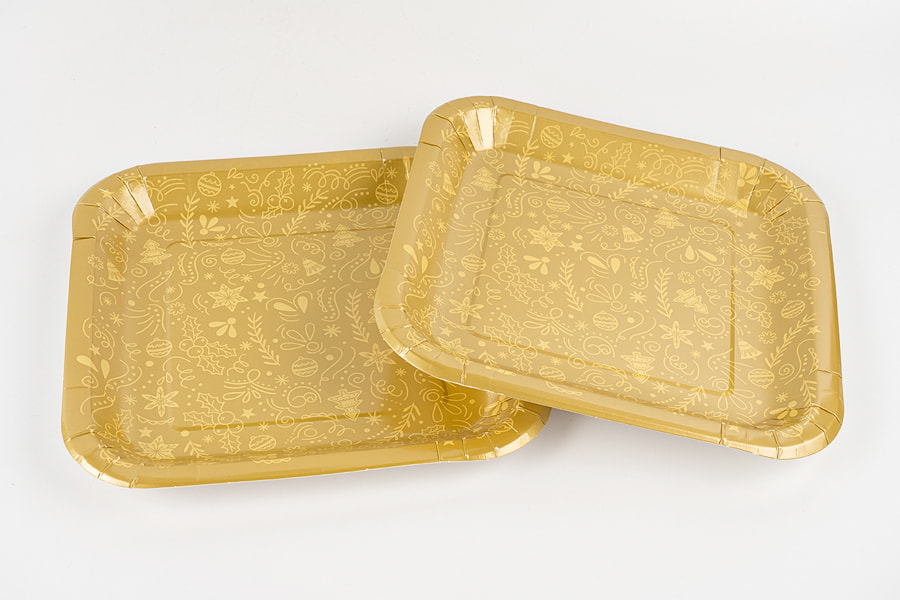
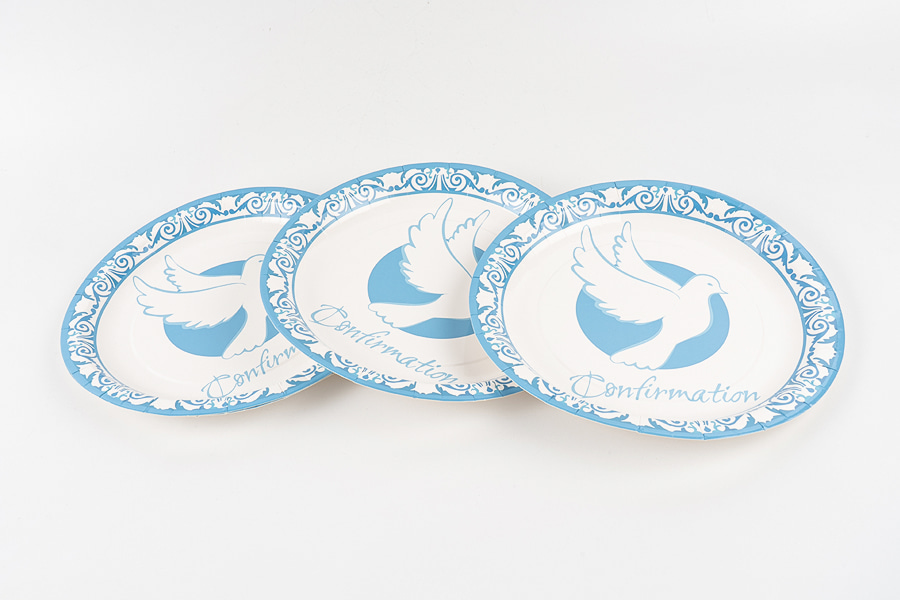
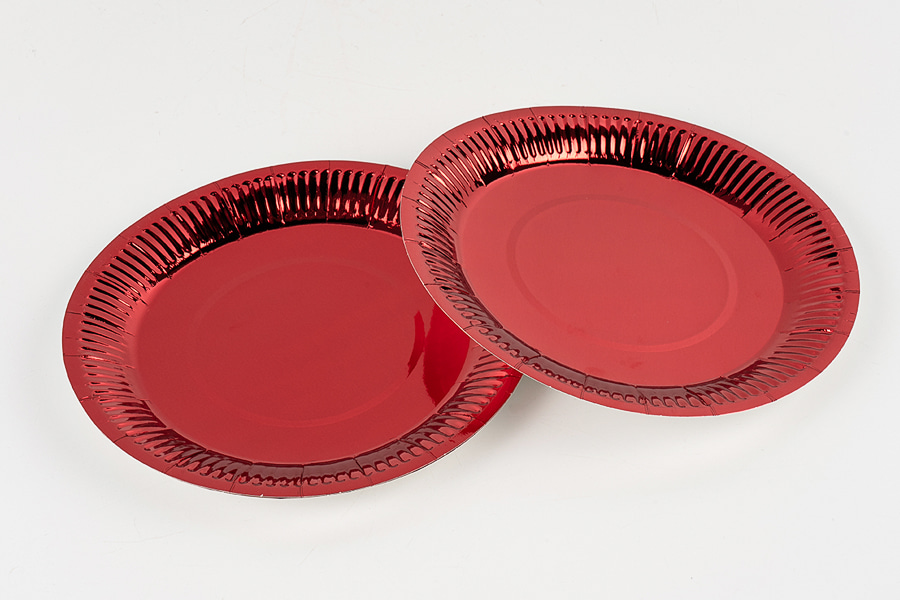
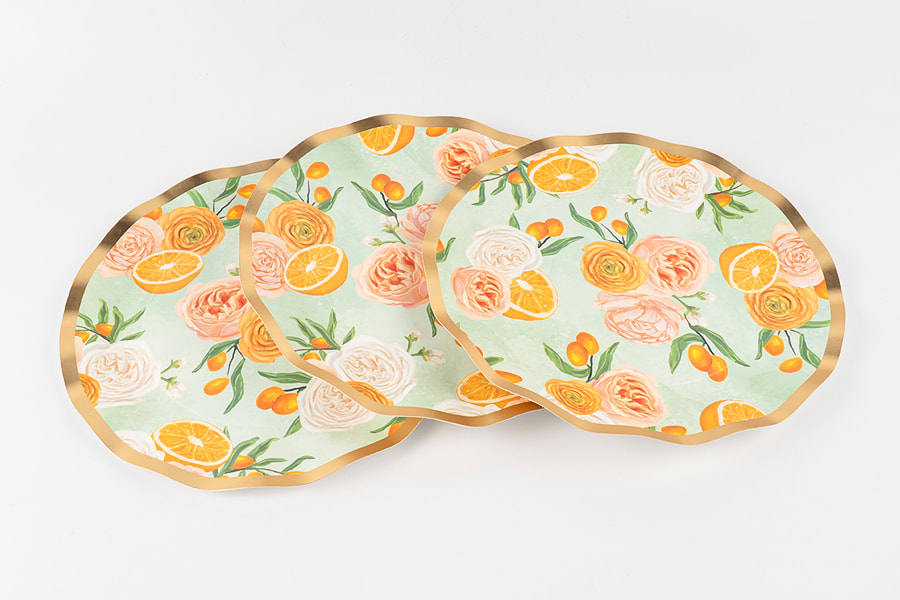
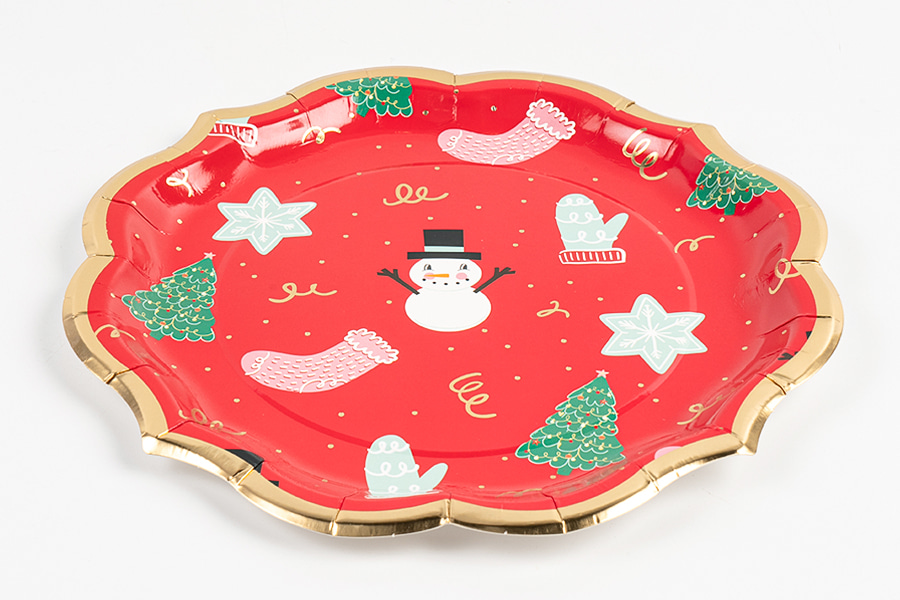
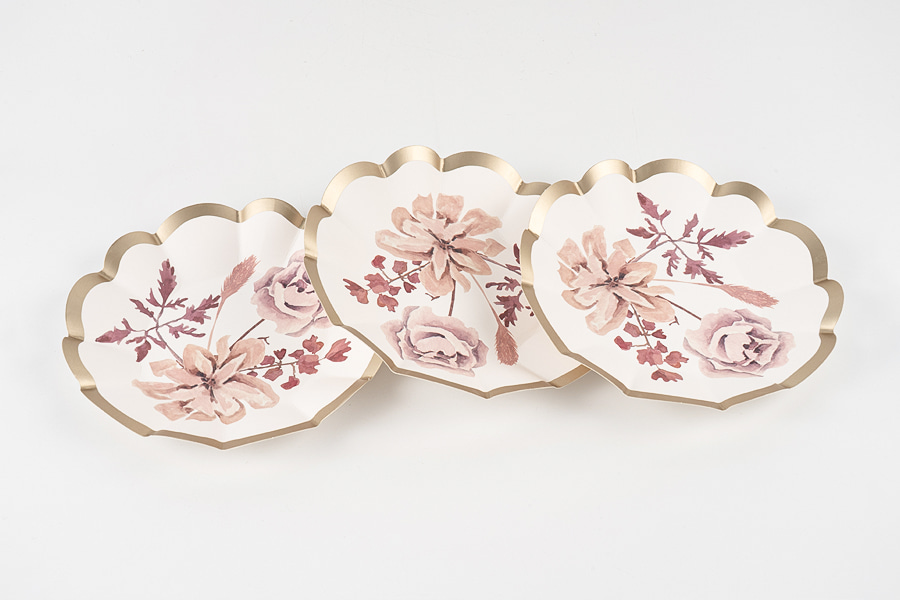
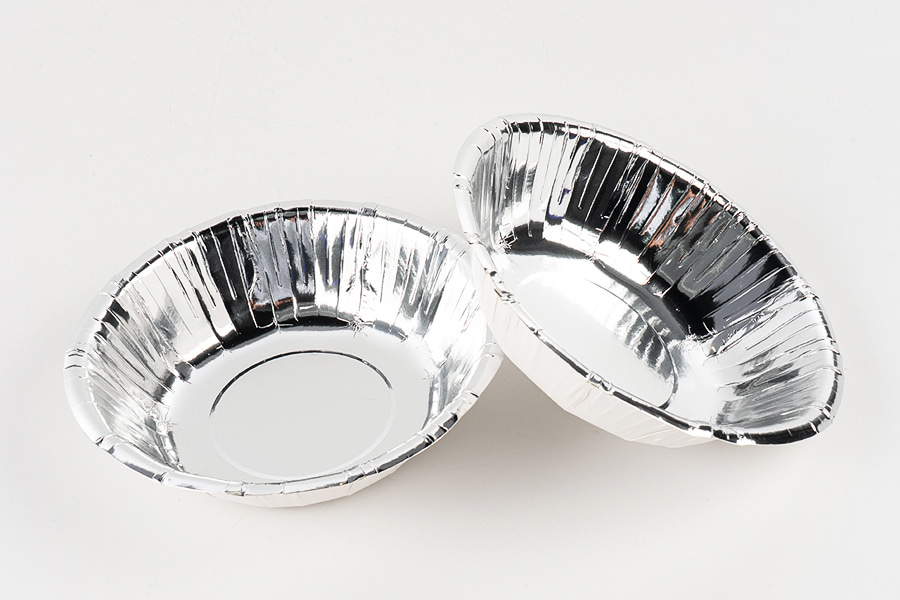
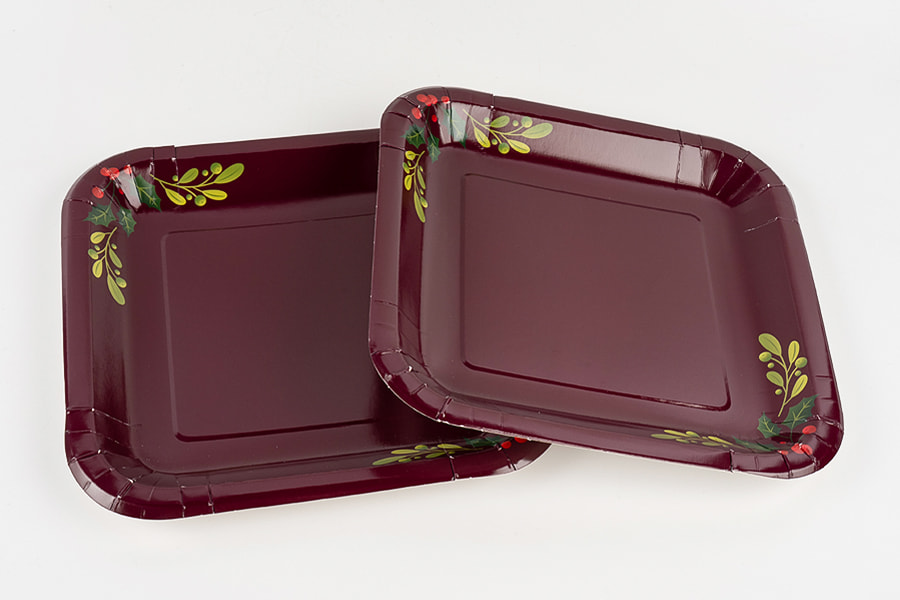
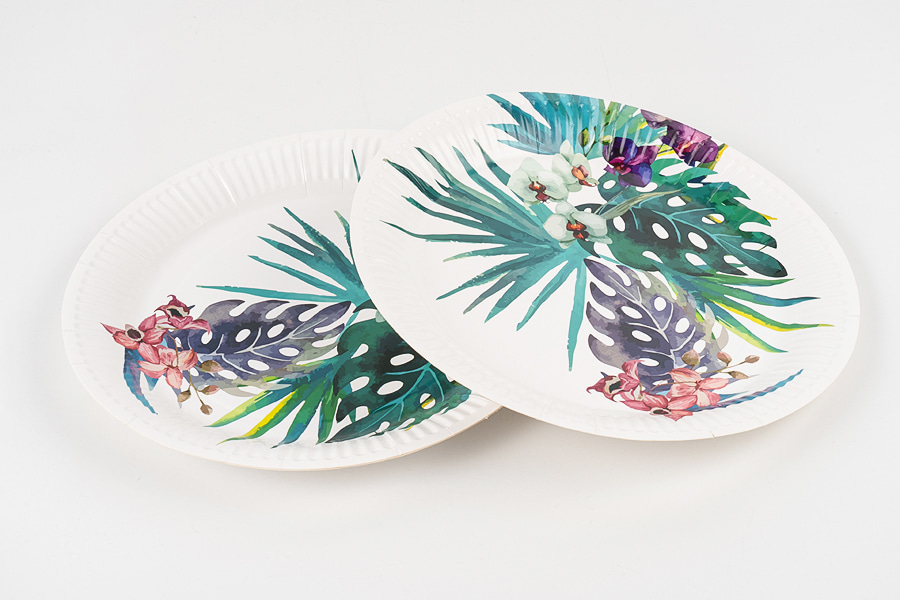
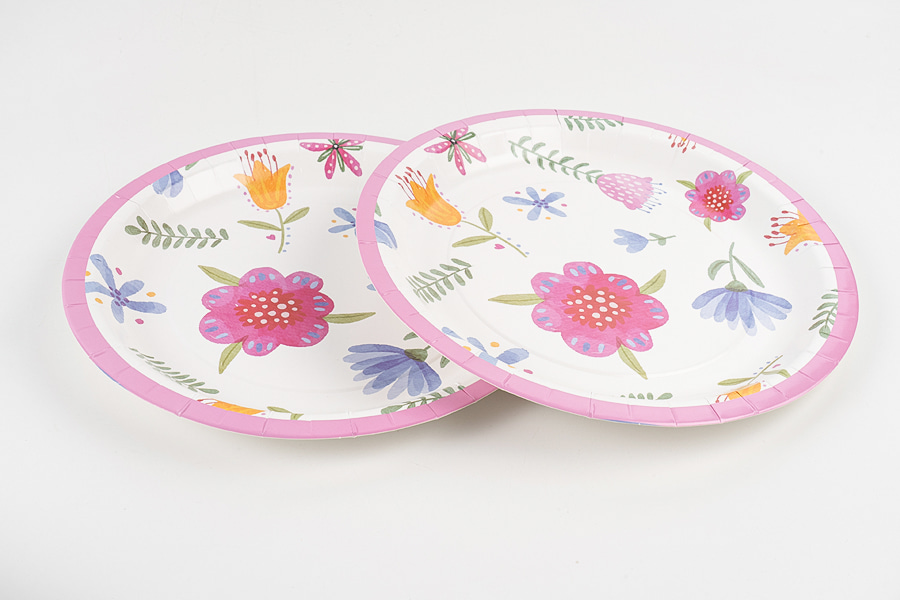
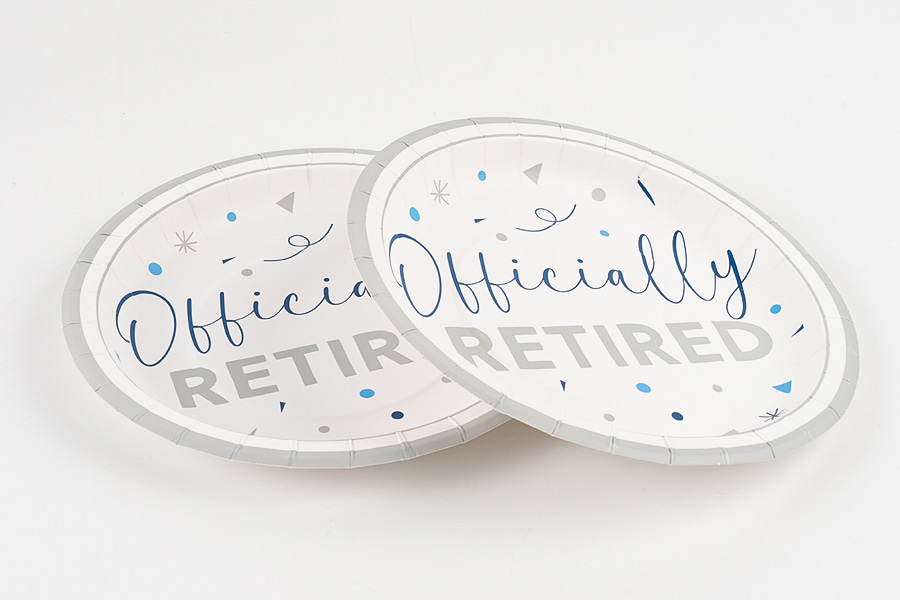
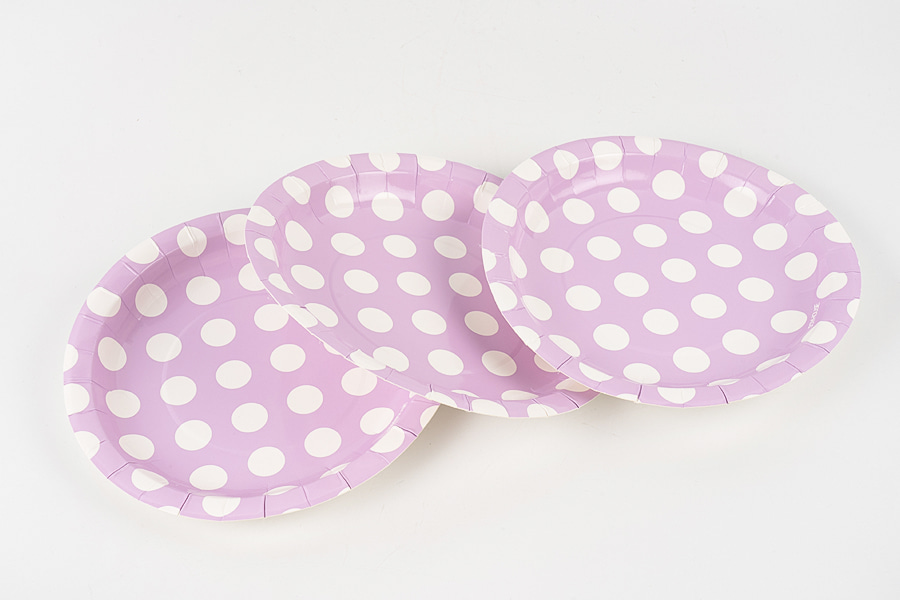
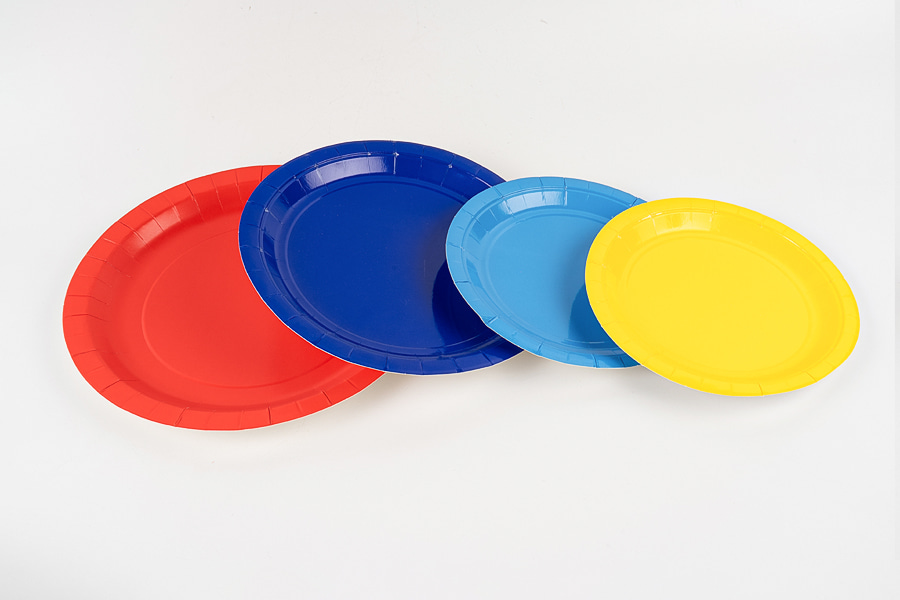
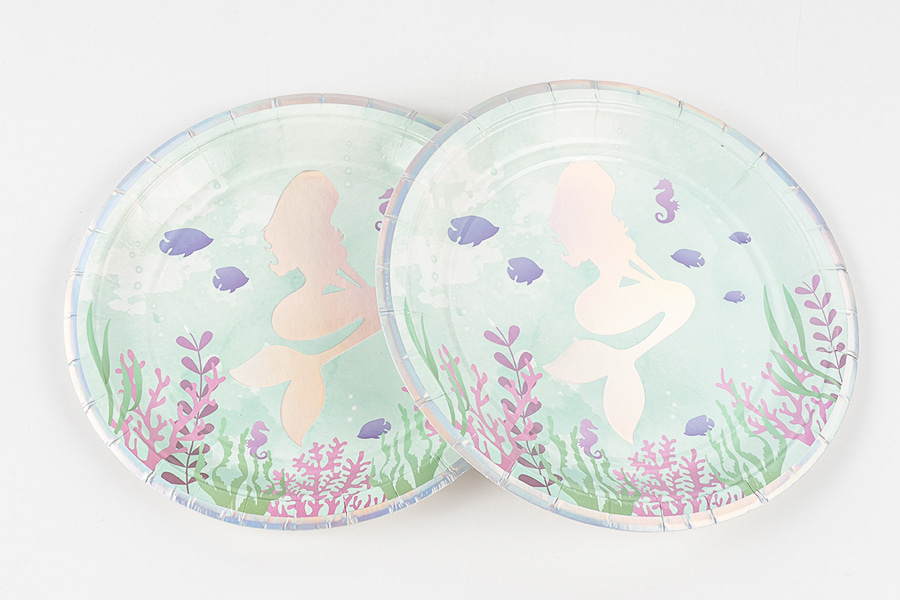
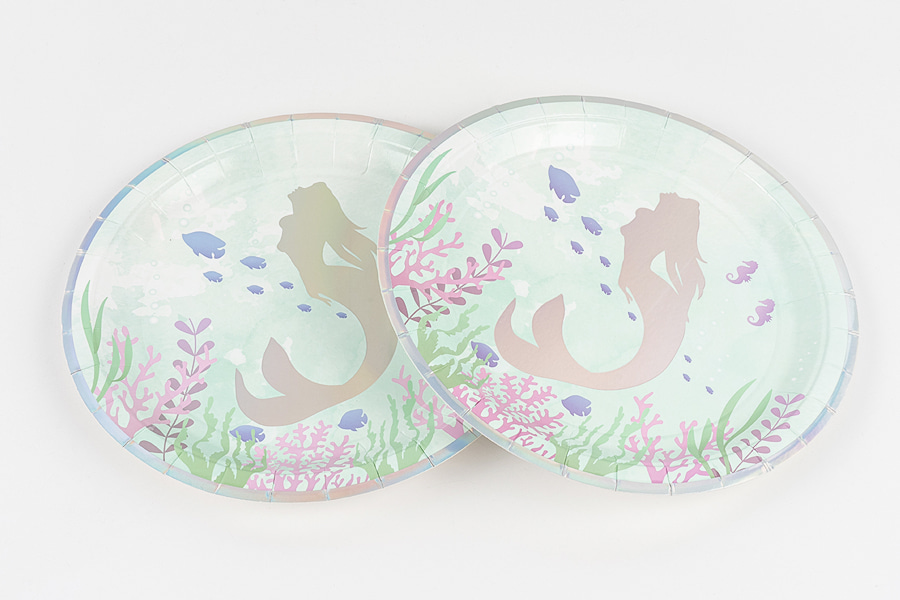
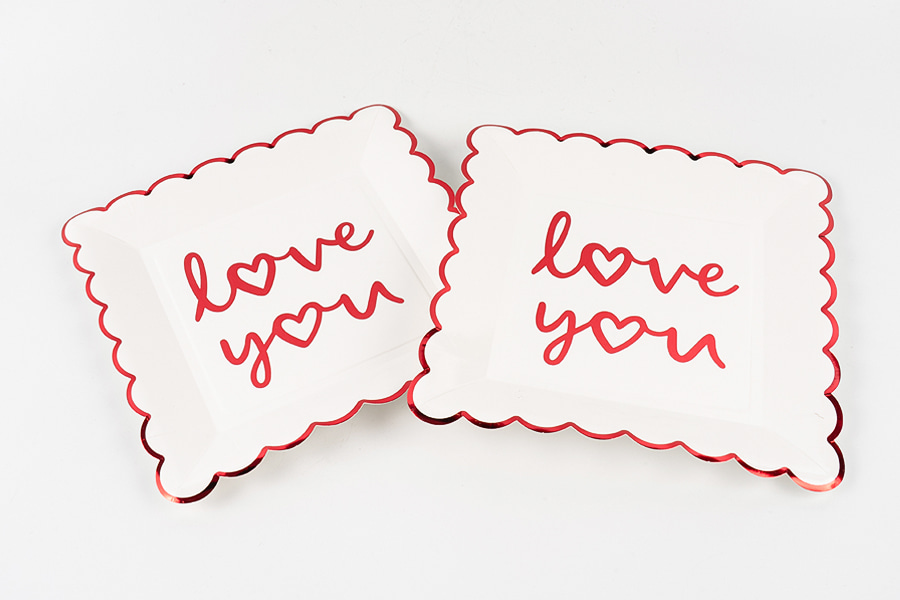
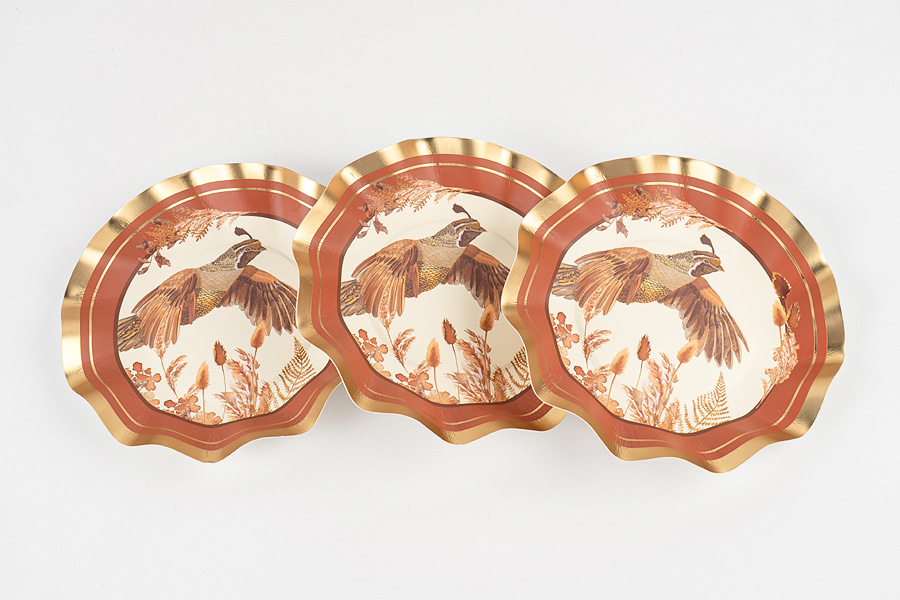
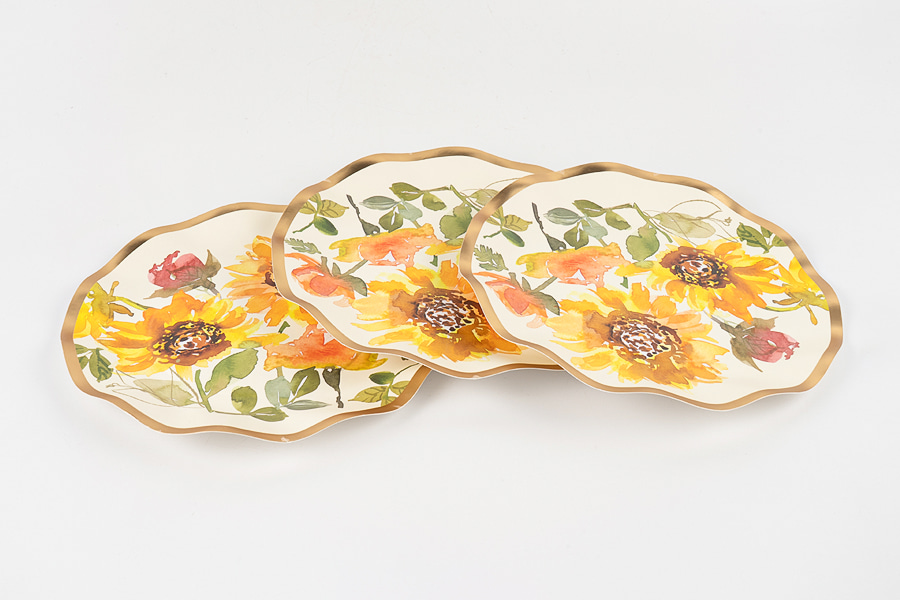
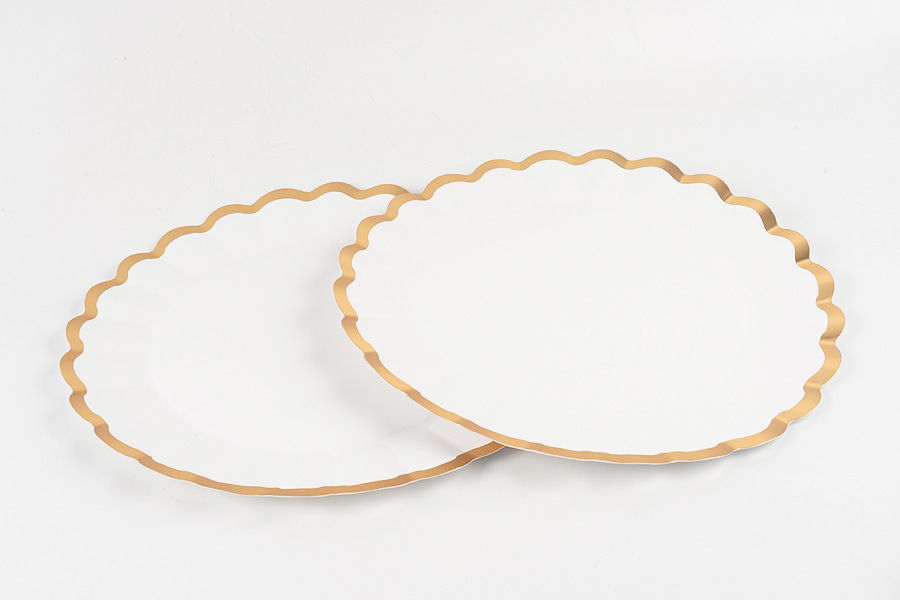
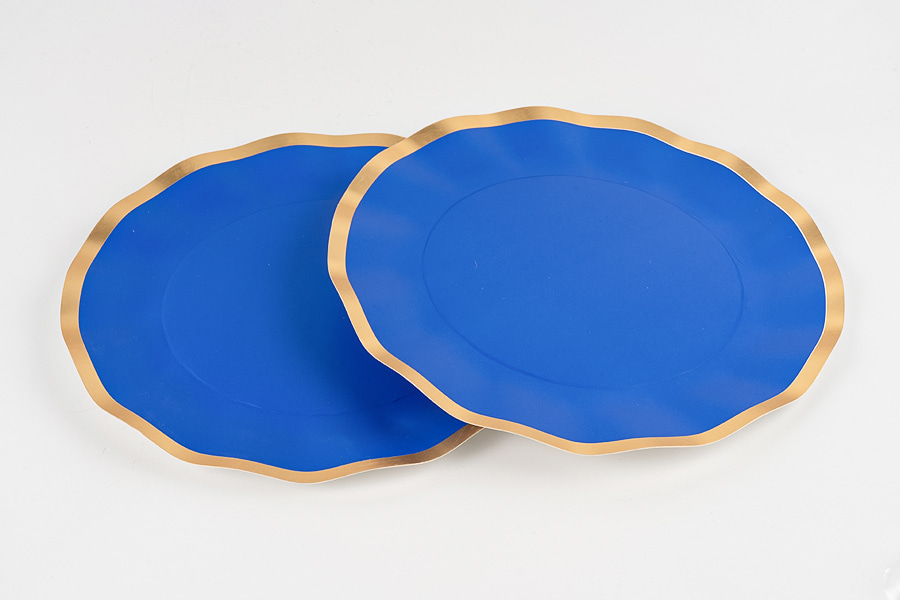
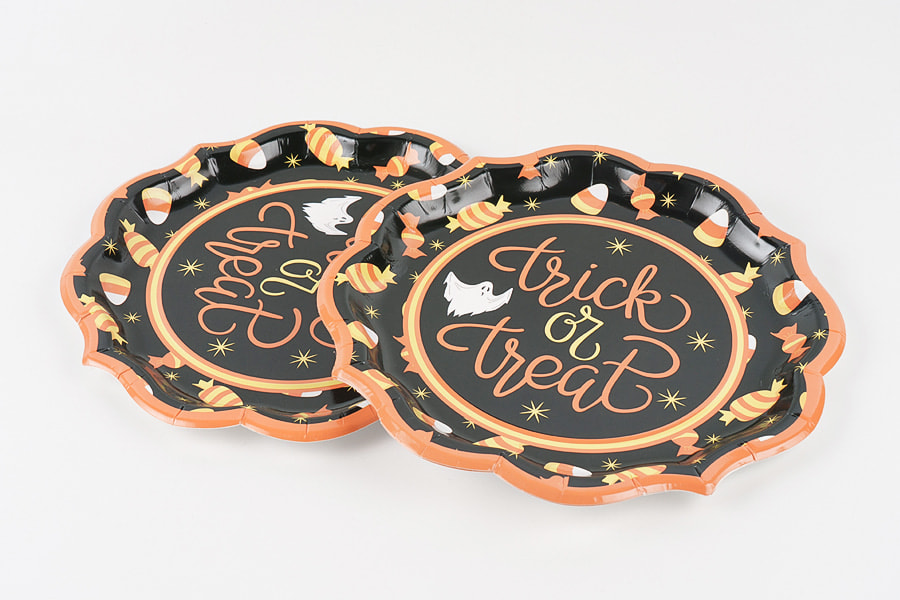
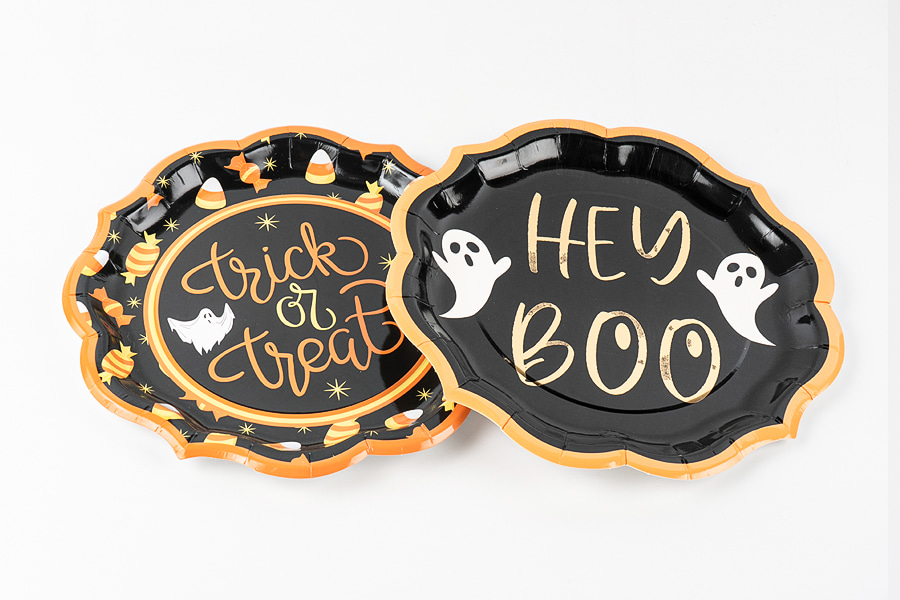
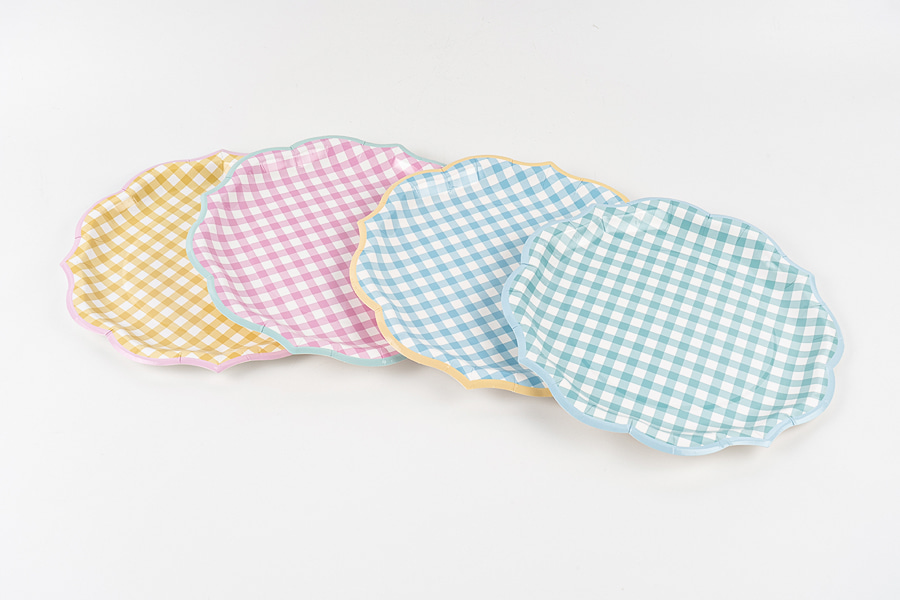
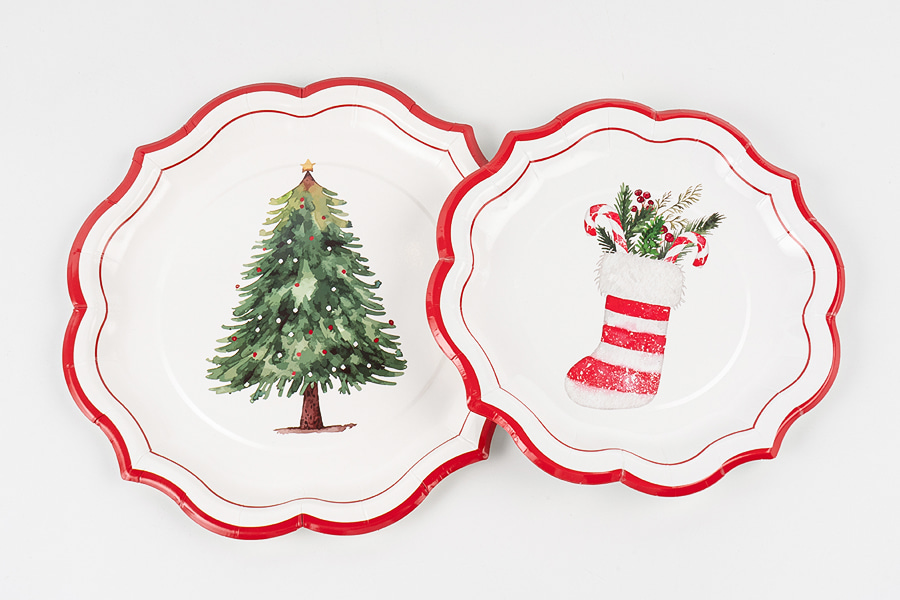
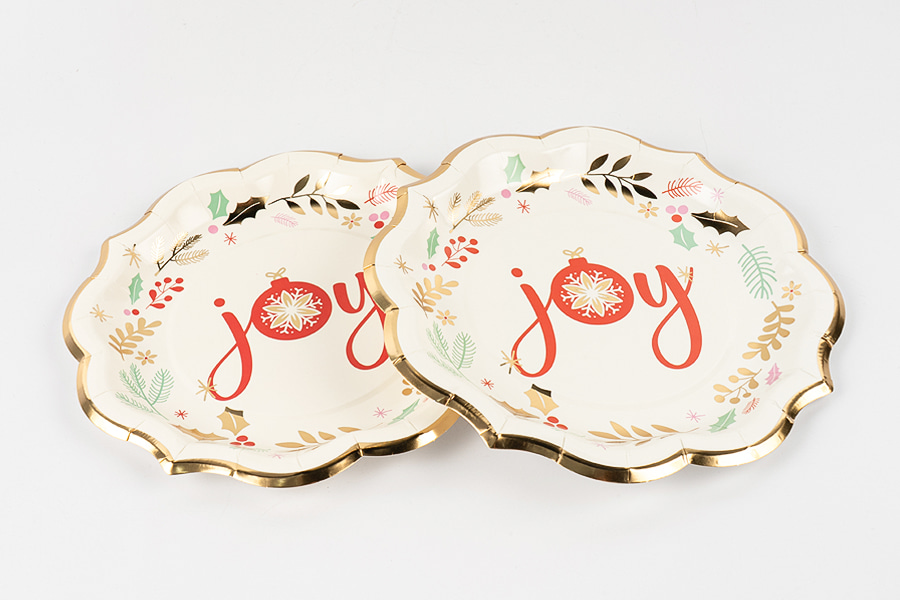
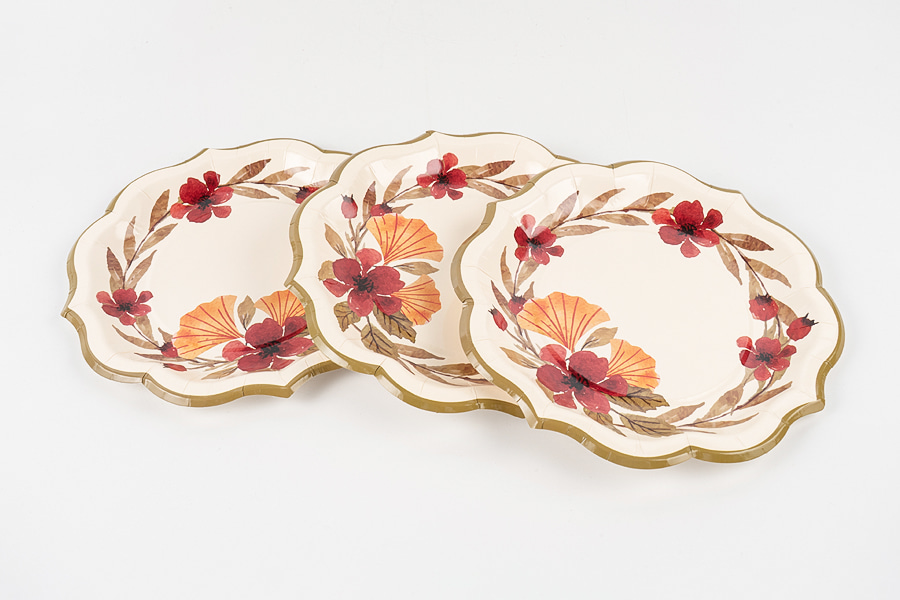
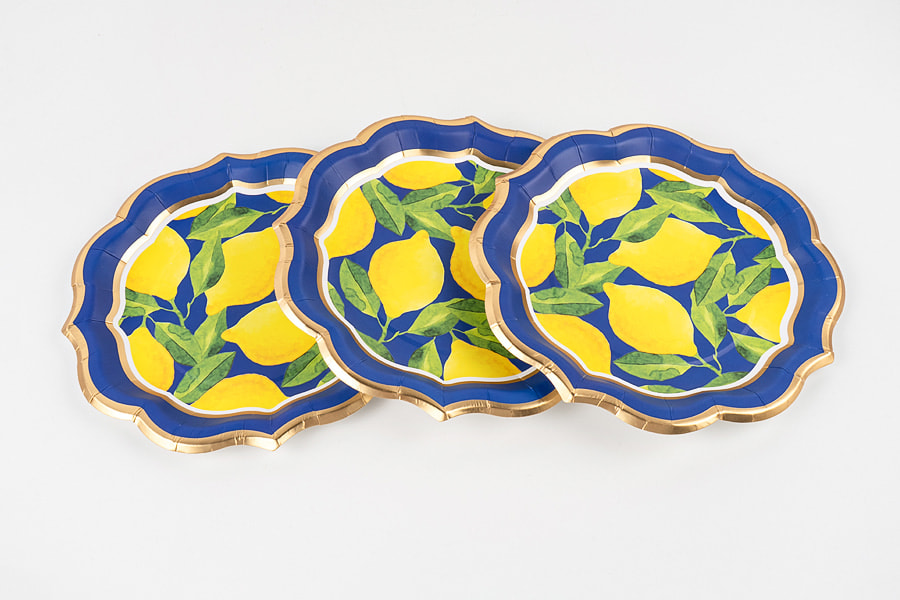
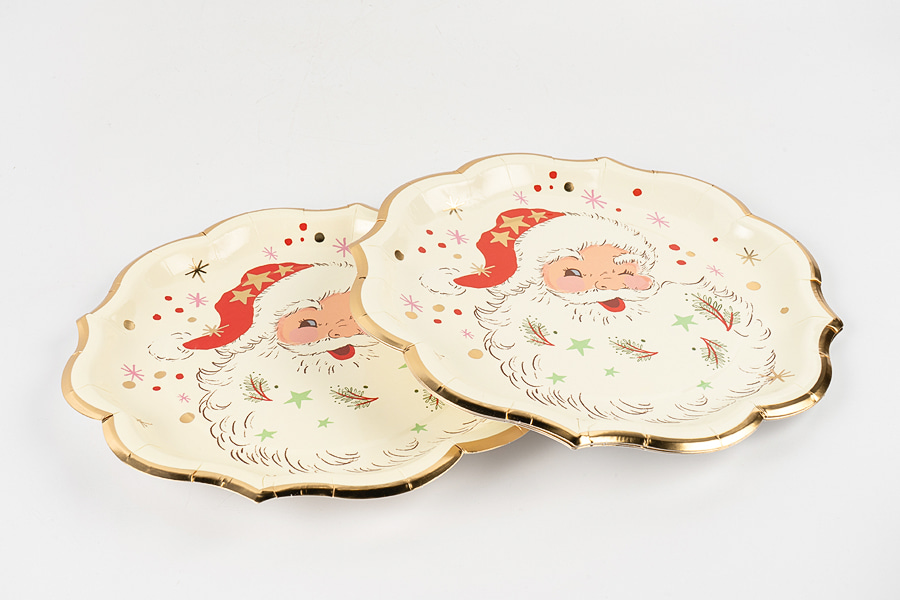
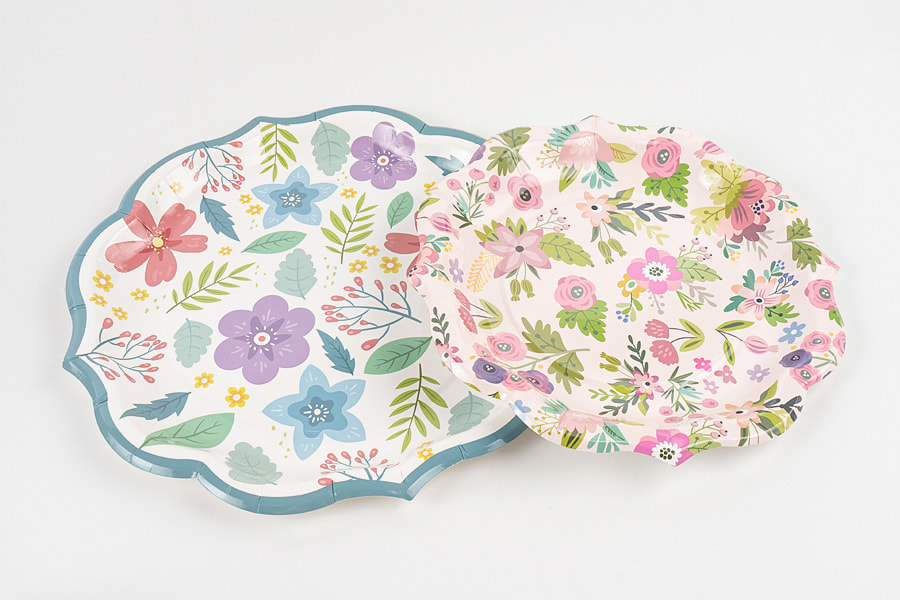
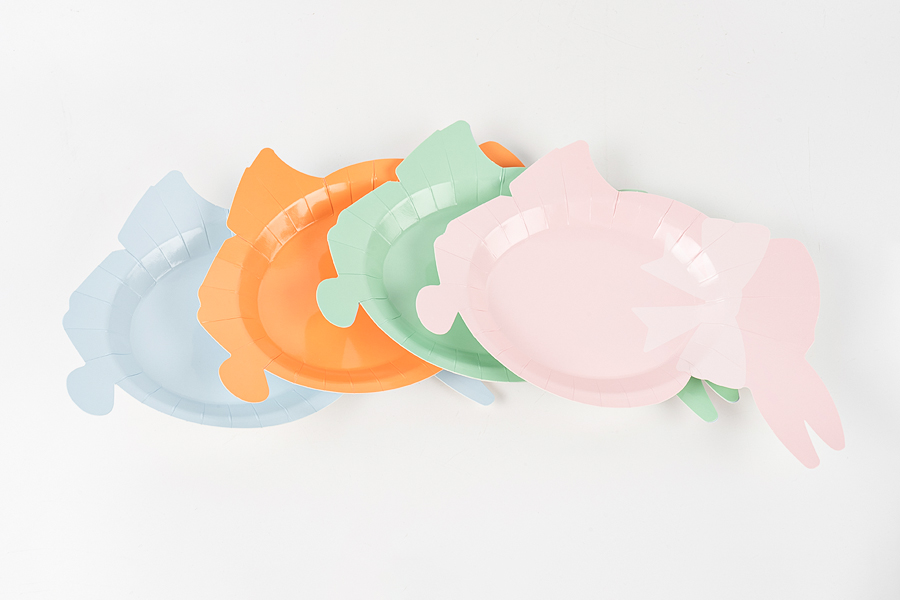
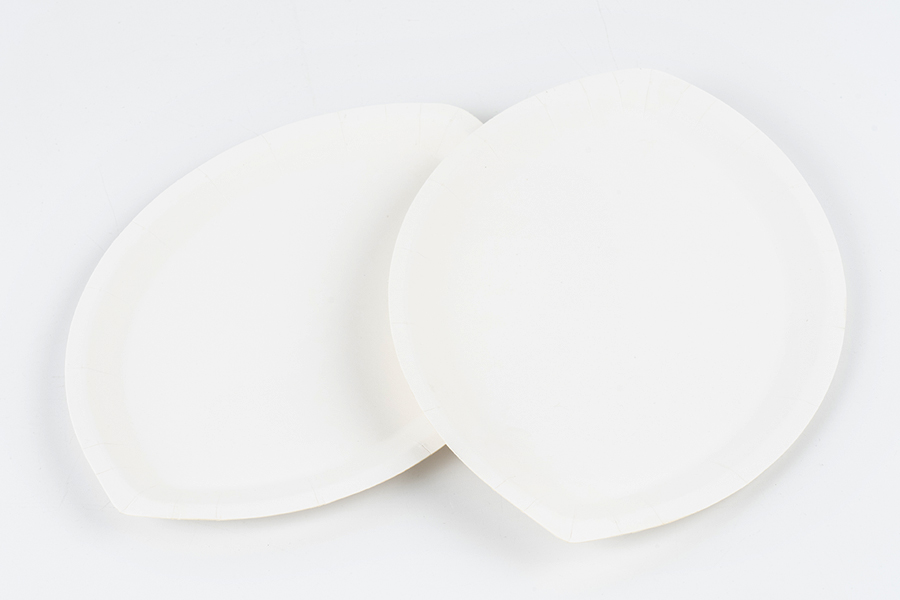
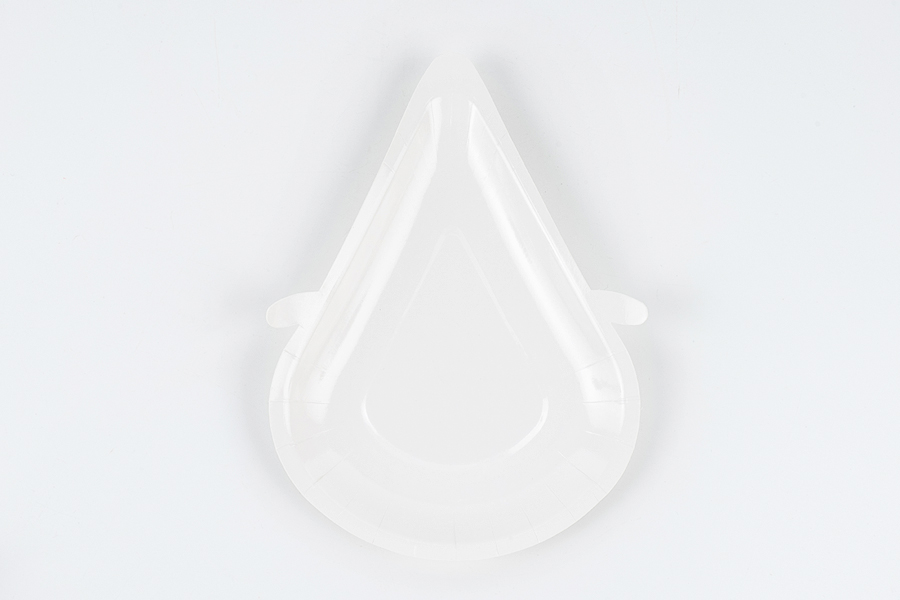
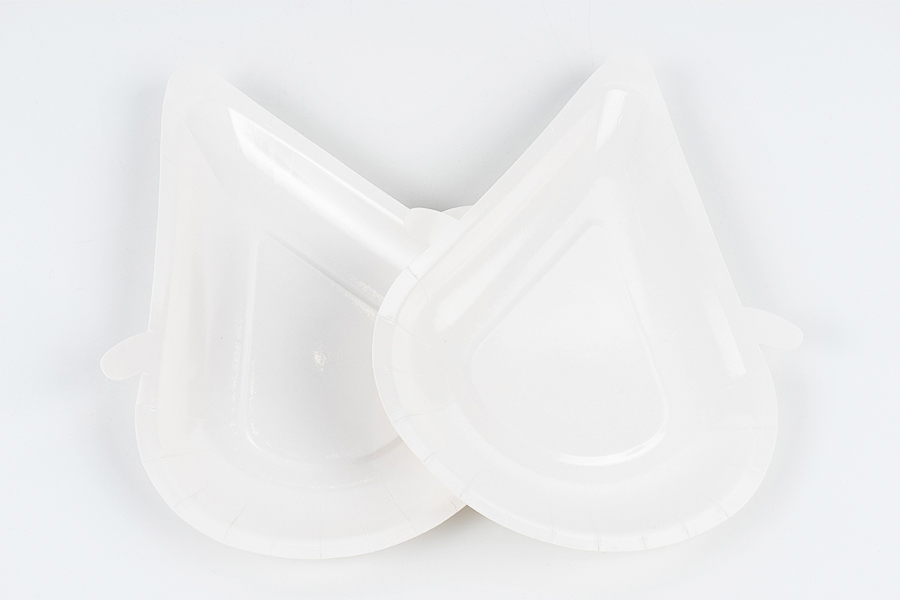
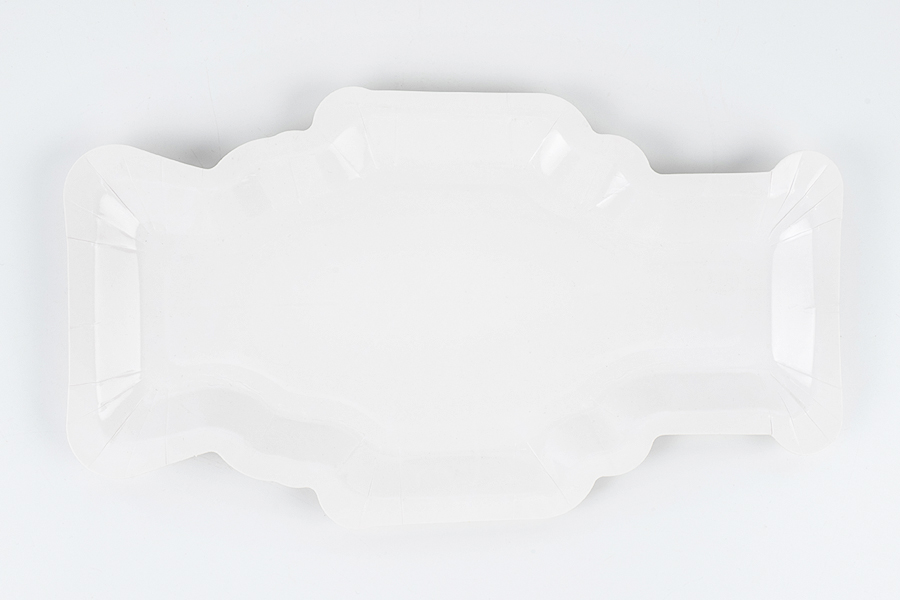
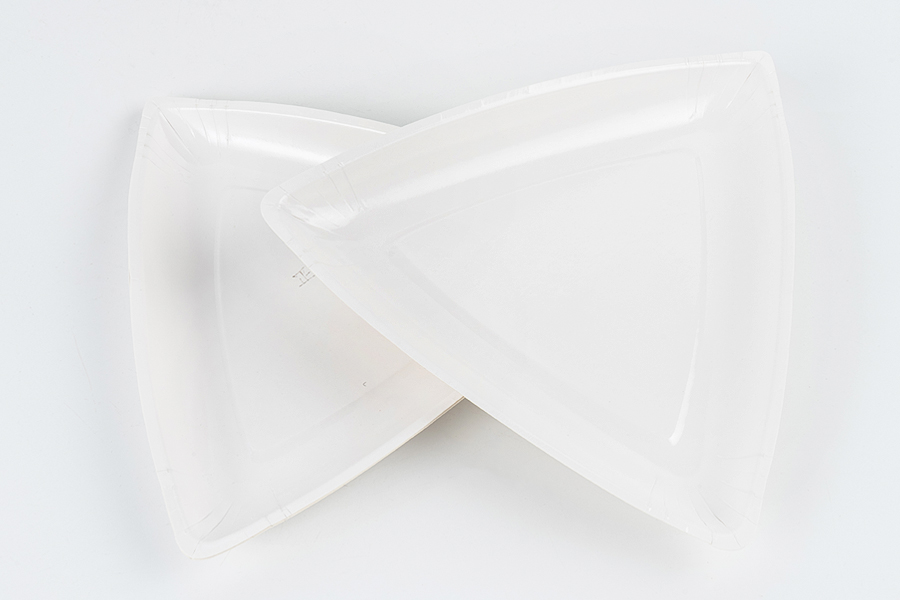
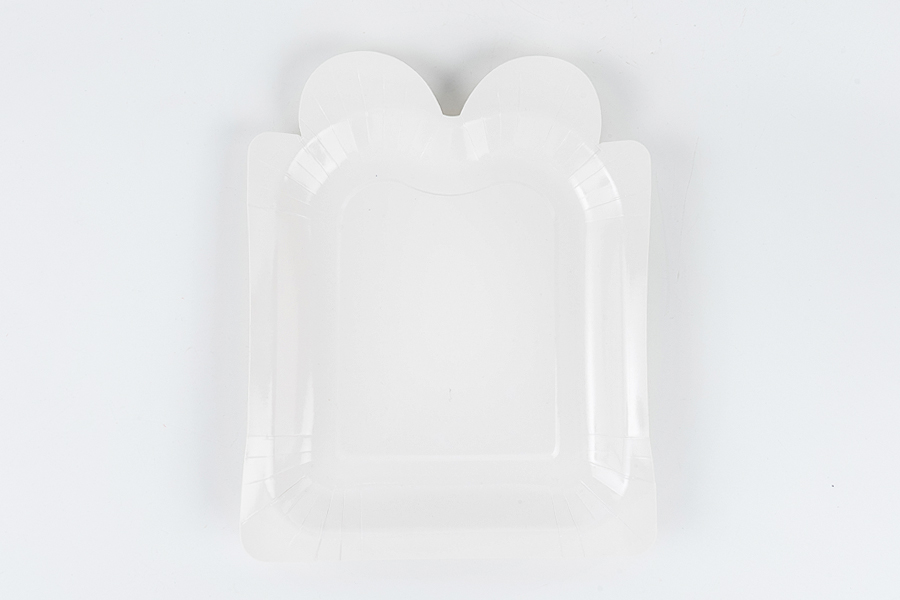
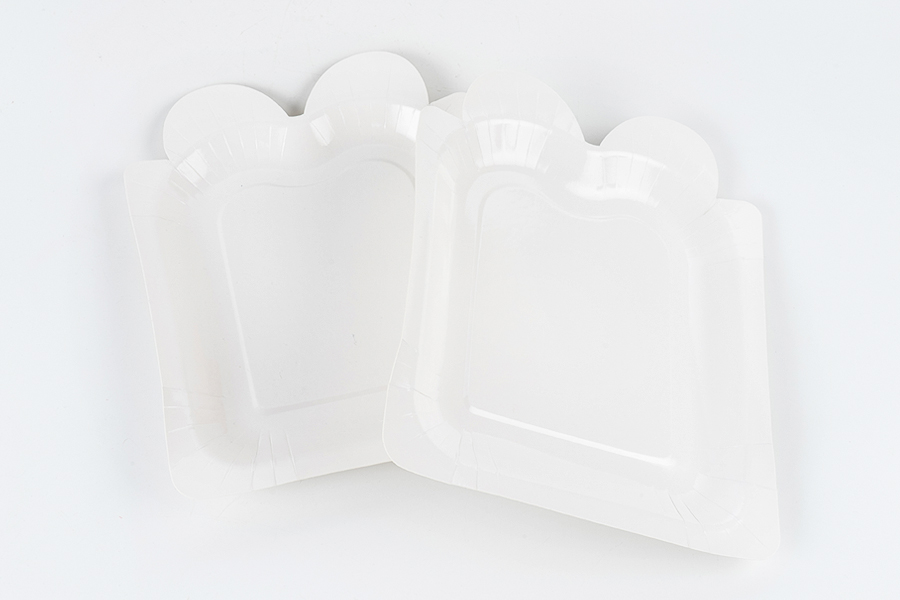
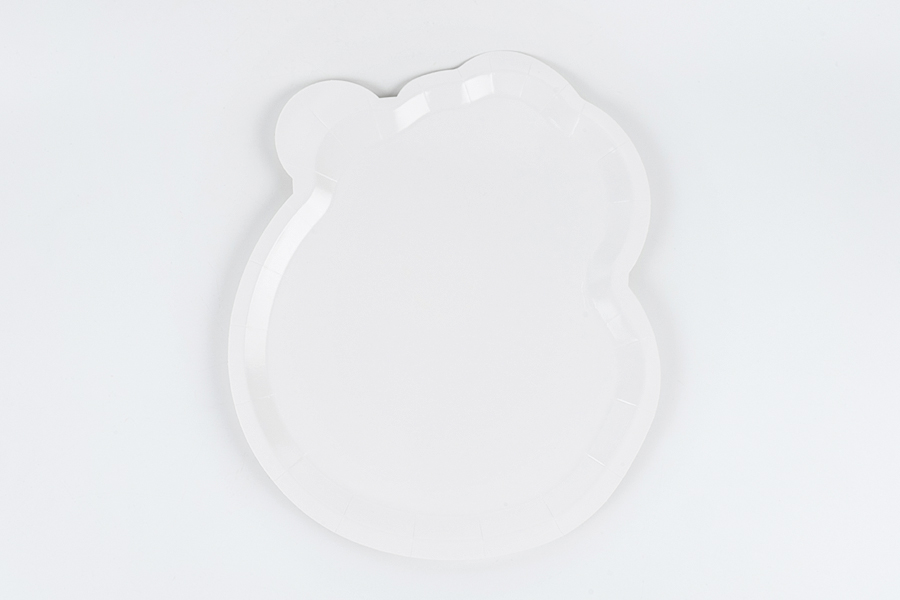
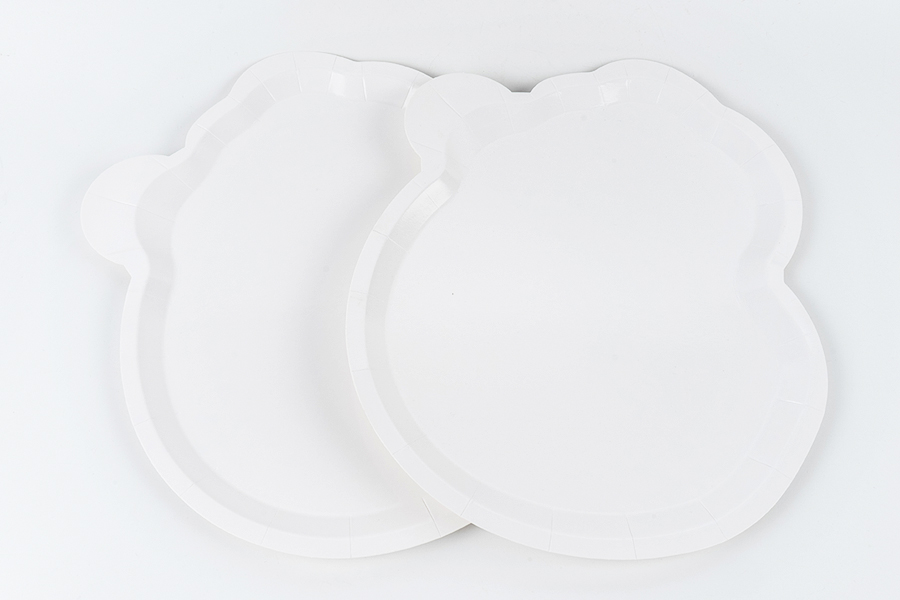
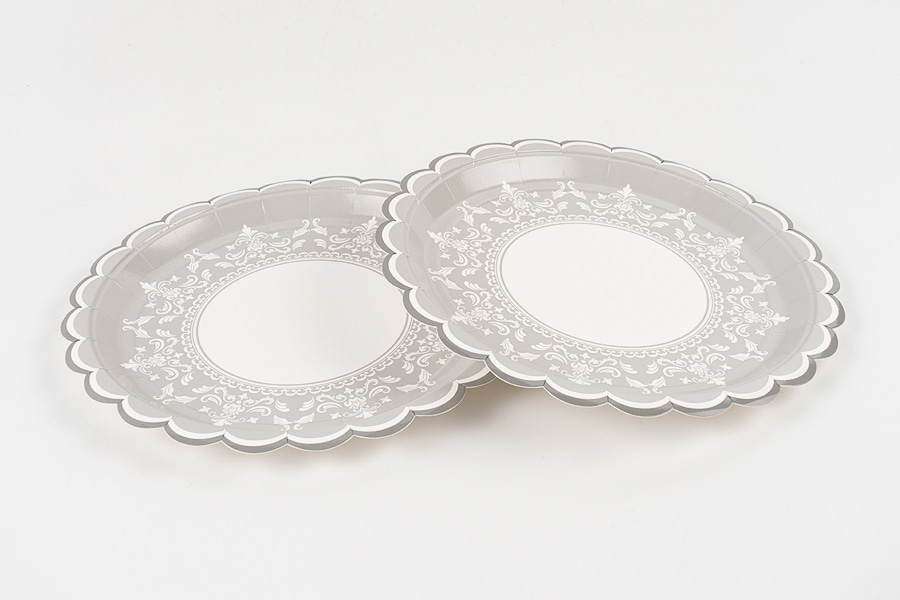
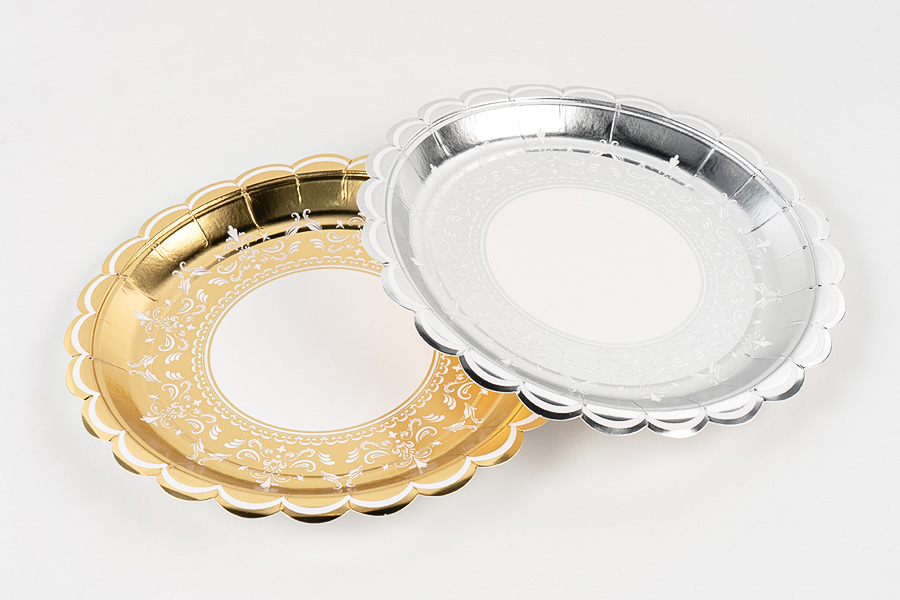
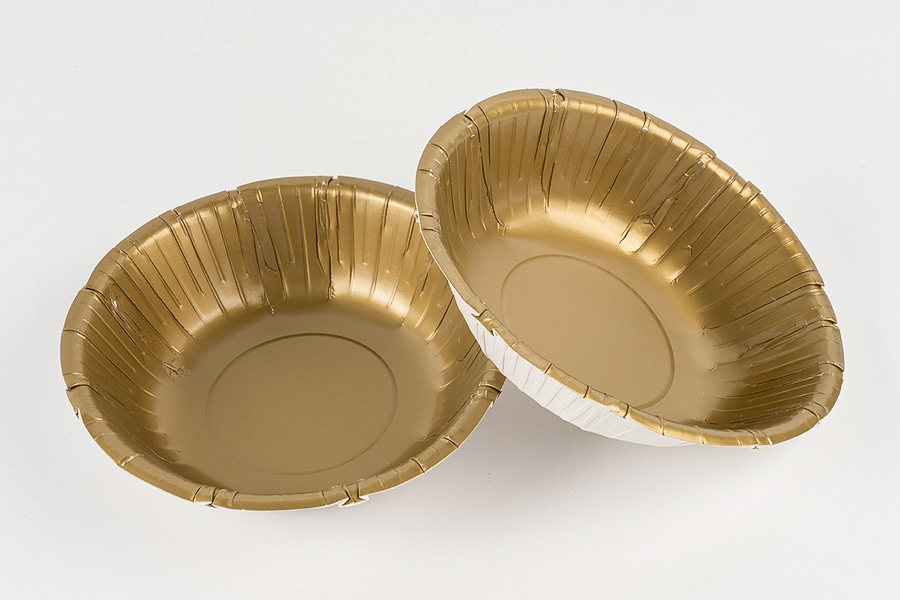
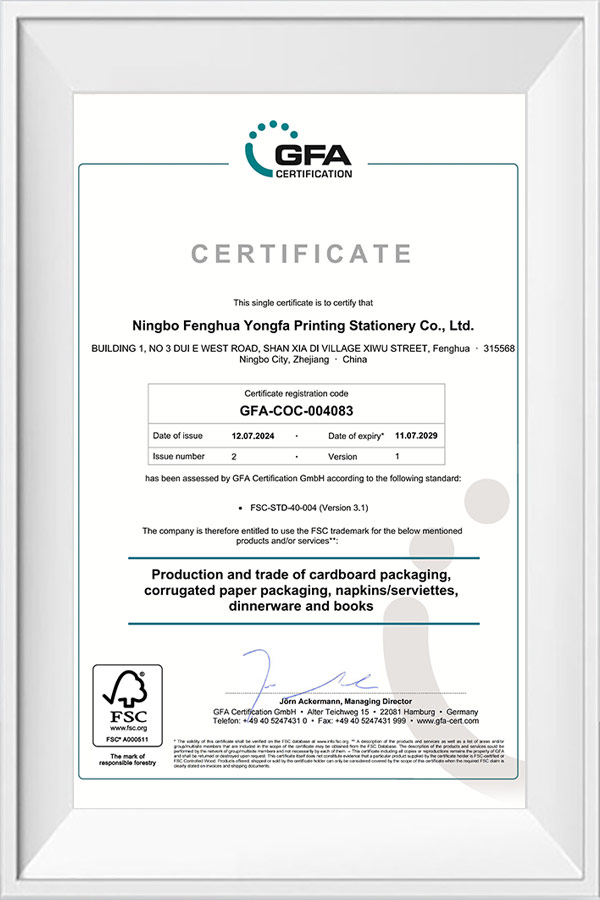
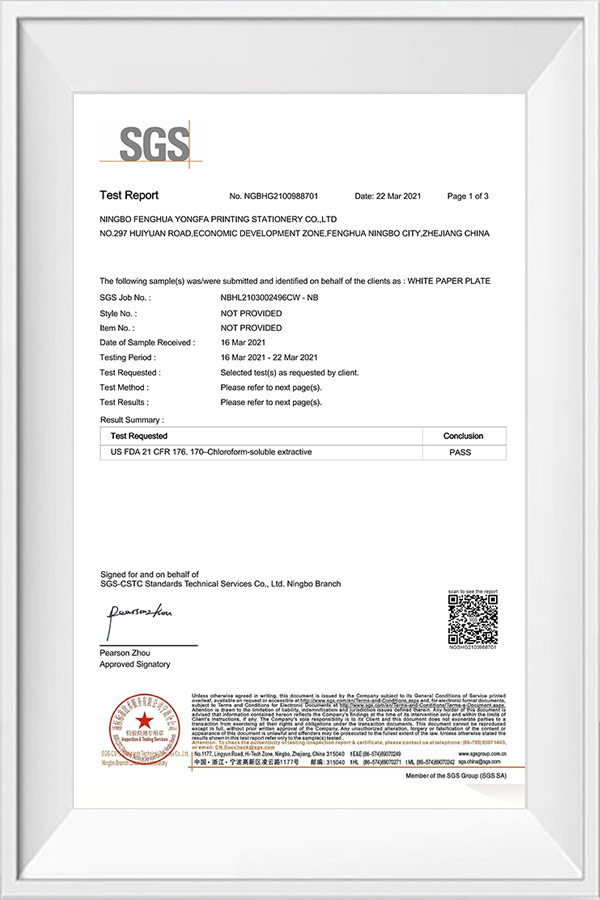
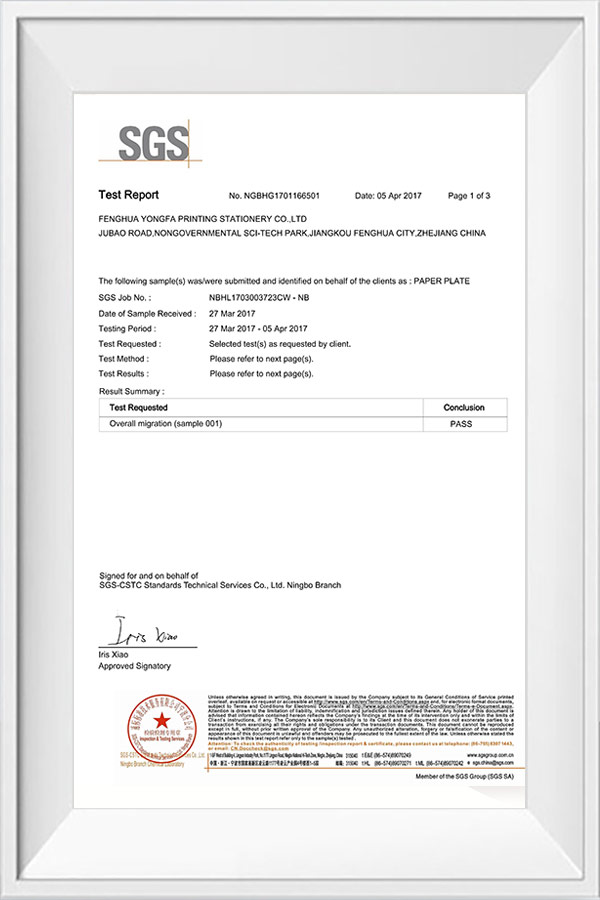
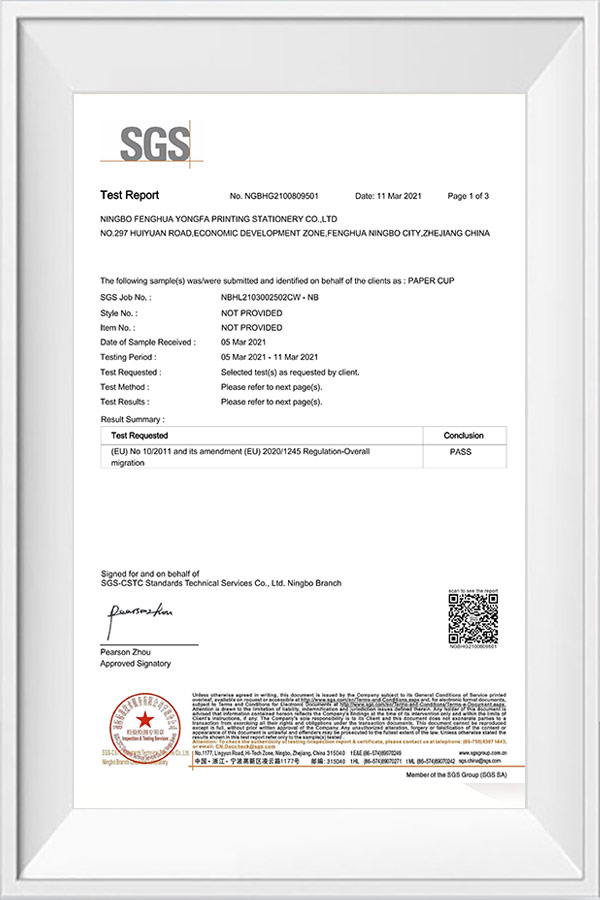
Paper plates have become one of the most widely used disposable tableware products in homes, restaurants, catering services, and event venues. Their convenience, hygiene, and cost-effectiveness make them an ideal solution for serving food quickly and efficiently.
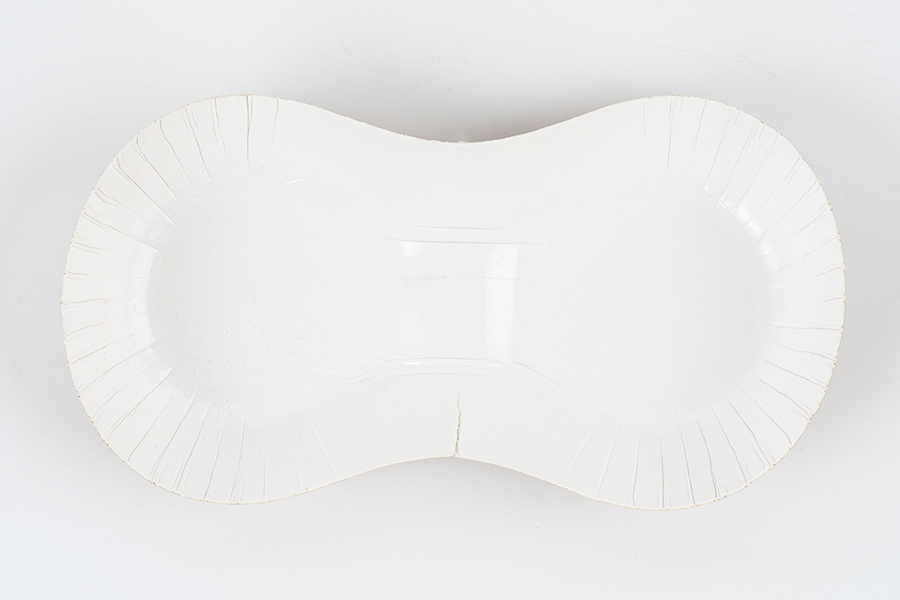
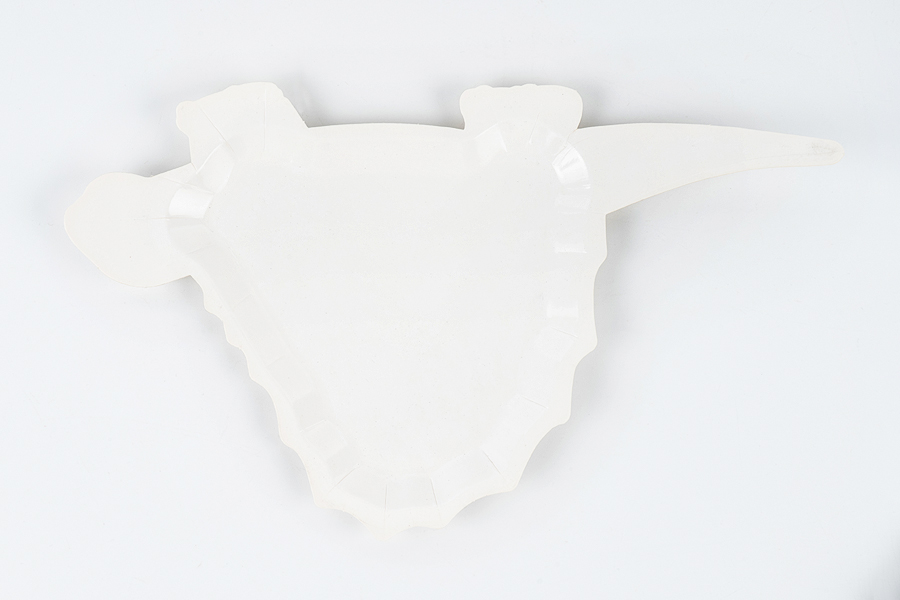
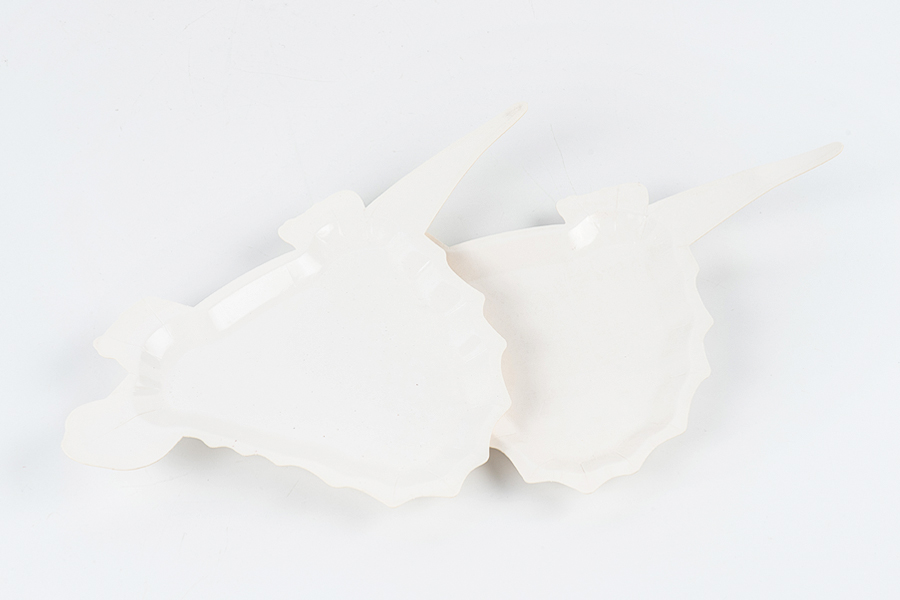
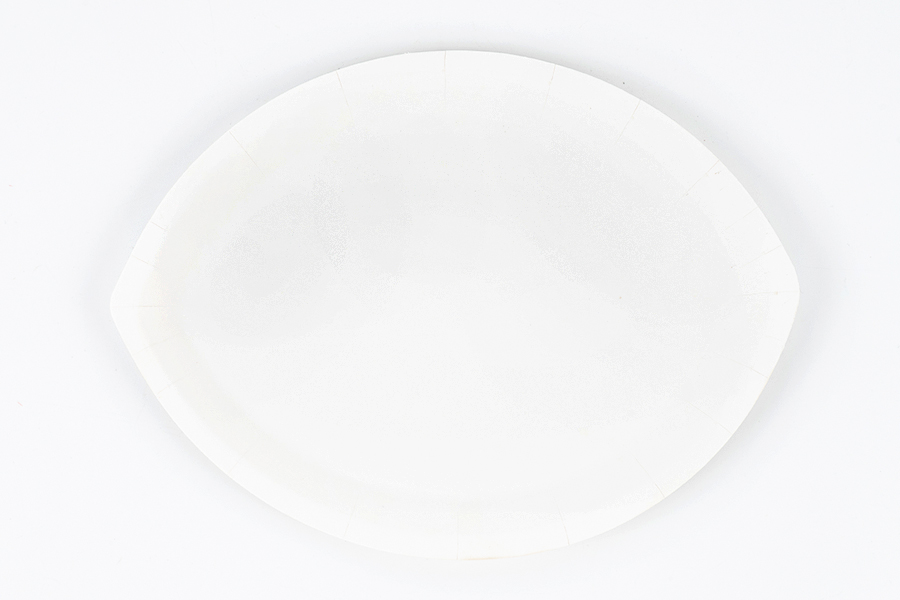
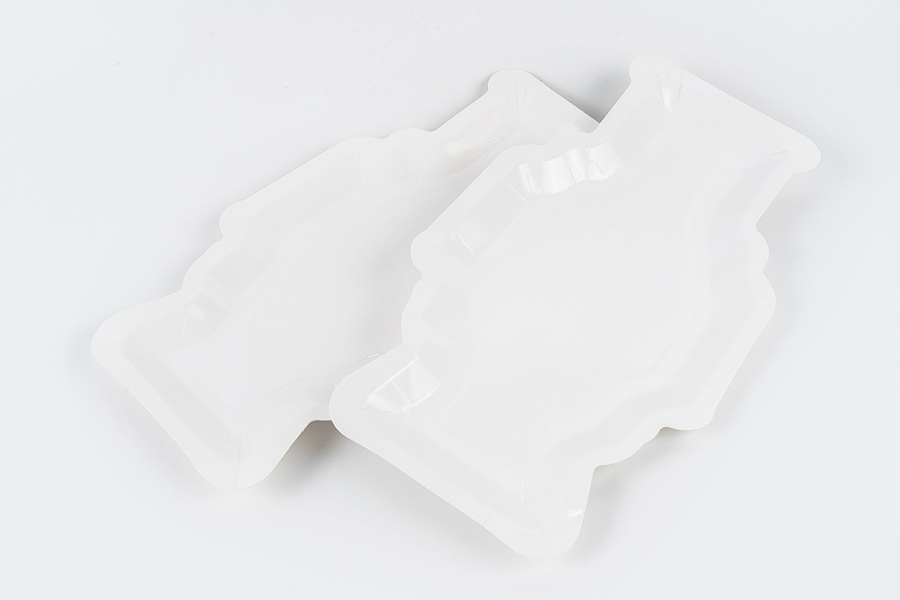
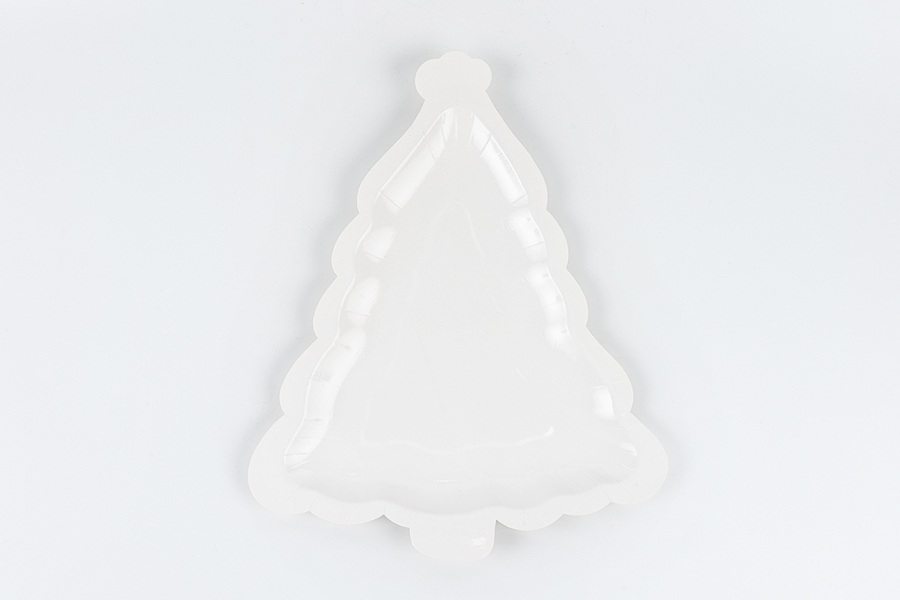
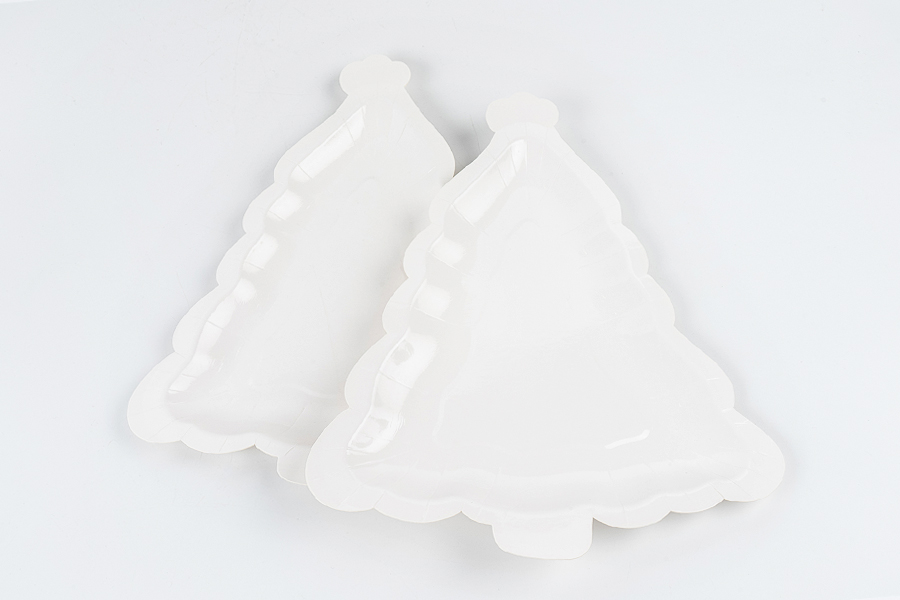
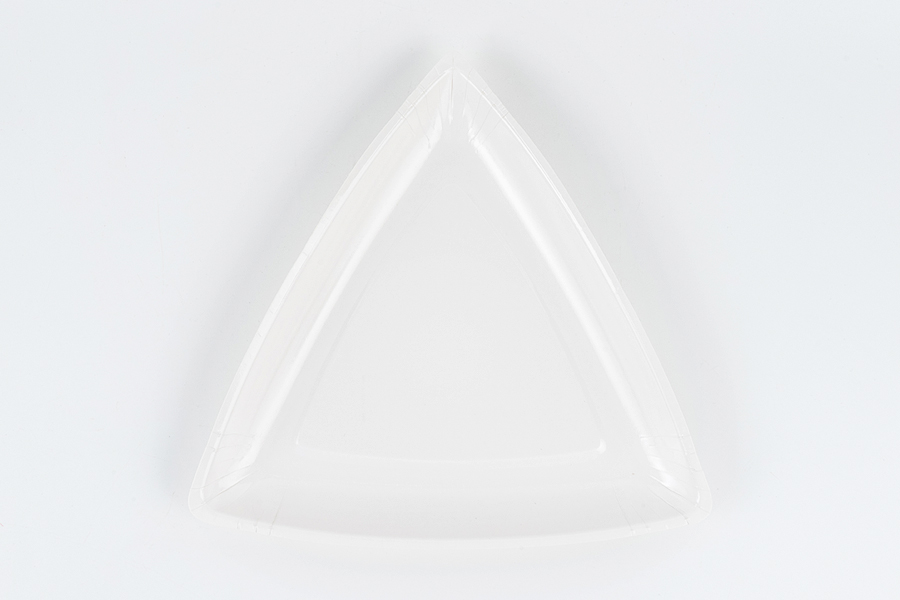
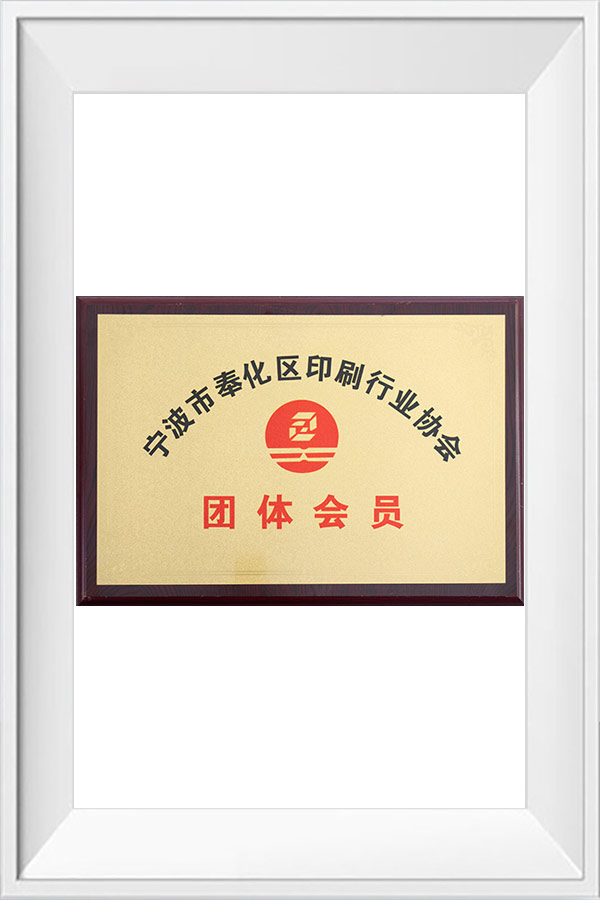
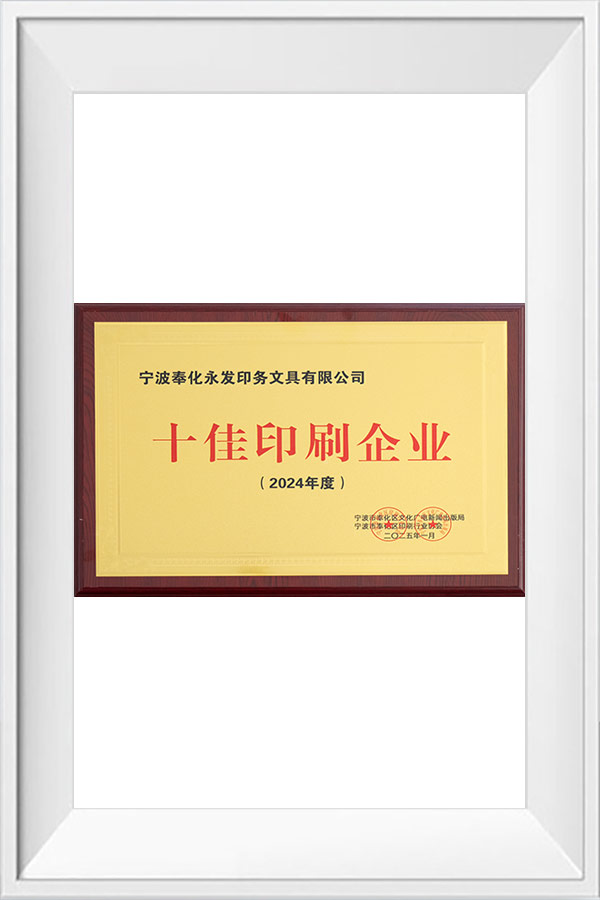
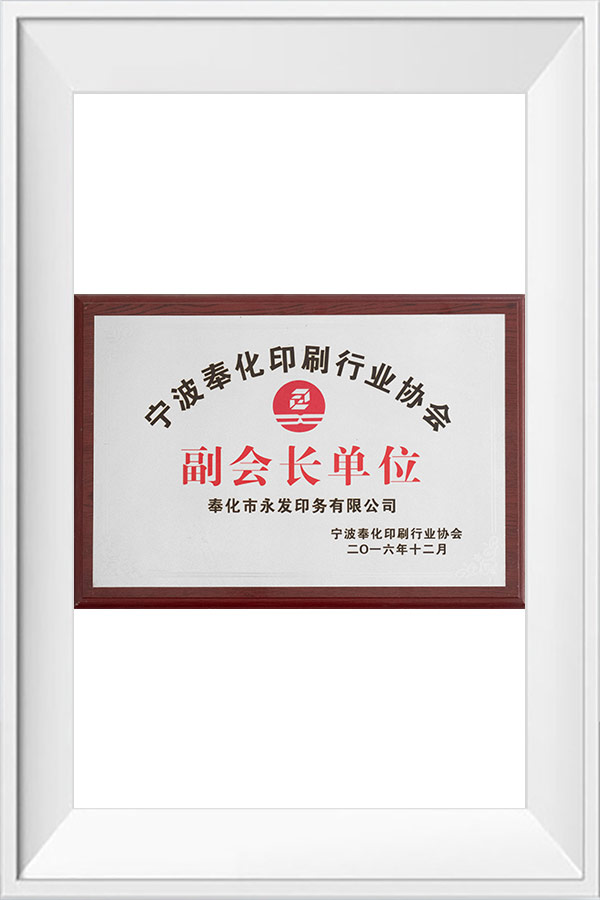
Ningbo Fenghua Yongfa Printing & Stationery Co., Ltd. specializes in the production and manufacturing of paper printing products, party supplies, and packaging supplies. Our paper plates support customization of patterns and shapes. Our factory covers 9,000 square meters and has over 100 employees, more than 70% of whom have over 10 years of experience.
Paper plates are disposable food containers made primarily from paperboard, molded pulp, or plant fiber materials such as sugarcane bagasse. They are designed to hold hot and cold foods while maintaining structural stability and preventing leaks.
Modern paper plates are manufactured using food-grade materials and often include grease-resistant coatings to improve performance.
2. Key Advantages of Paper Plates
- Convenient and time-saving: No washing required after use.
- Hygienic: Single-use design reduces contamination risks.
- Lightweight and portable: Easy to transport and store.
- Cost-effective: Affordable for large-scale food service.
- Eco-friendly options available: Biodegradable and compostable materials are widely used.
3. Common Types of Paper Plates
| Type |
Material |
Best Application |
| Coated Paper Plates |
Paperboard with PE or water-based coating |
Fast food, takeaway meals |
| Bagasse Paper Plates |
Sugarcane fiber pulp |
Eco-friendly dining, outdoor events |
| Molded Pulp Plates |
Recycled paper pulp |
School cafeterias, institutional use |
| Heavy-Duty Paper Plates |
Thick paperboard |
Hot and oily foods |
4. Main Applications of Paper Plates
Paper plates are widely used across various settings:
- Restaurants and food trucks: For fast service and takeaway meals.
- Catering and events: Weddings, parties, and corporate gatherings.
- Households: Family meals and outdoor picnics.
- Schools and offices: Cafeteria and meeting food service.
- Outdoor activities: Camping, festivals, and barbecues.
5. How to Choose the Right Paper Plates
- Plate size: Choose appropriate diameter based on portion size.
- Material type: Select compostable options for eco-friendly requirements.
- Grease resistance: Important for oily or hot foods.
- Thickness and strength: Heavy-duty plates provide better support.
- Certification: Look for food-grade and safety compliance labels.
6. Sustainability and Environmental Impact
With growing environmental awareness, many manufacturers now offer sustainable paper plates made from renewable resources such as sugarcane bagasse and recycled pulp. These plates decompose naturally and reduce plastic waste.
Choosing eco-friendly paper plates supports green initiatives and meets consumer demand for environmentally responsible packaging.
7. FAQ About Paper Plates
Are paper plates safe for hot food?
Yes. High-quality paper plates are designed to withstand hot food temperatures without warping or leaking.
Can paper plates be recycled?
Some paper plates are recyclable if clean, while compostable versions can break down naturally. Plates with heavy food residue are usually composted.
Are bagasse paper plates better for the environment?
Yes. Bagasse paper plates are biodegradable, compostable, and made from agricultural waste.
Do paper plates contain plastic?
Some coated paper plates contain thin plastic layers, while eco-friendly options use water-based or plant-based coatings.
How should paper plates be stored?
Store paper plates in a dry place away from moisture and direct sunlight to maintain strength and quality.
Paper plates offer a convenient, hygienic, and versatile solution for modern food service needs. With a wide range of materials and eco-friendly options available, they continue to be a practical choice for restaurants, events, and everyday home use. Selecting the right paper plates helps improve serving efficiency while supporting sustainable dining practices.


 English
 中文简体
中文简体