English
 中文简体
中文简体How Do Irregularly Shaped Paper Napkins Enhance Your Event Decor?
Content
- 1 Why Shape Is the Most Overlooked Variable in Table Decor
- 2 Popular Irregular Shapes and the Events They Suit Best
- 3 Custom Shaped Paper Napkins for Parties: What to Specify and What to Expect
- 4 Novelty Paper Napkins with Unique Shapes: Display Techniques That Maximise Impact
- 5 How Shaped Napkins Photograph: The Social Media Advantage
- 6 Sustainability Considerations for Shaped Paper Napkins
- 7 Frequently Asked Questions
Irregularly shaped paper napkins enhance event decor by transforming a purely functional item into a deliberate design element — one that reinforces your theme, creates visual texture on the table, and gives guests a tactile detail that standard square napkins simply cannot deliver. A die-cut leaf shape nestled beside a plate at a garden wedding, a star-cut napkin fanned inside a glass at a birthday dinner, or a wave-edged coastal napkin laid flat under a seashell centrepiece — each of these choices communicates intentionality that elevates the entire table setting. This article covers why shape matters in event design, how to match napkin silhouettes to specific occasions, what to look for in custom orders, and practical tips for displaying shaped napkins to maximum effect.
Why Shape Is the Most Overlooked Variable in Table Decor
Event stylists consistently identify napkins as one of the highest-impact, lowest-cost table styling opportunities — yet most hosts default to the square or rectangle simply because it is the standard retail option. The result is a table where every element has been carefully chosen except the one item guests pick up and hold for the duration of the meal.
Shape psychology in tableware is well established in hospitality design. Circular and oval forms read as warm and social; angular geometric shapes project modern confidence; organic irregular silhouettes feel artisan and natural; themed die-cut shapes (animals, flowers, letters, objects) immediately communicate the occasion. An irregularly shaped paper napkin carries more visual information than a printed pattern on a square napkin, because the silhouette is readable from across the room before the guest is close enough to see surface detail.
According to event industry surveys, 72% of guests remember a distinctive table detail such as an unusual napkin fold or shape at events they attended — compared to only 31% who recalled the specific centrepiece arrangement. The napkin, as the item physically placed in the guest's hands, has a disproportionate share of tactile and visual attention.
Figure 1 — Guest Recall Rate of Event Table Details
Guest recall of specific table styling details at attended events (event industry survey data)
Popular Irregular Shapes and the Events They Suit Best
The term irregularly shaped paper napkin covers a wide spectrum — from gently scalloped or wave-edged squares to fully die-cut silhouettes that bear no resemblance to a rectangle. Matching the right shape family to your occasion is the foundation of effective napkin styling.
Botanical and Organic Shapes
Leaf, petal, and flower silhouettes are the fastest-growing segment of shaped napkin design. A large magnolia-leaf die-cut in cream or sage paper works beautifully on a wedding breakfast table; a five-petal flower shape cut from blush tissue-weight paper fans naturally inside a wine glass. These shapes pair with greenery-heavy centrepieces, terracotta tableware, and linen tablecloths for a refined garden party or bridal shower aesthetic.
Geometric and Scalloped Edges
Hexagonal napkins, scalloped-edge squares, and chevron-cut rectangles introduce structured visual interest without the literalness of a themed die-cut. A deep scallop edge in white or ivory reads as elegant and vintage; a sharp hexagon in bold colour reads as modern and architectural. These shapes work across a wider range of events — from corporate dinners to cocktail receptions — because they are distinctive without being themed.
Themed Die-Cut Silhouettes
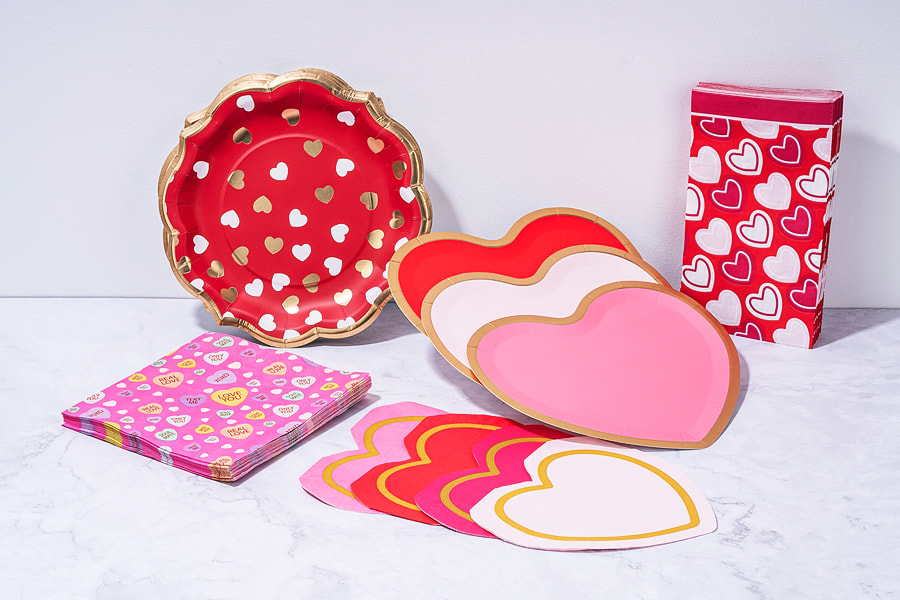
Star shapes for New Year and holiday tables; pumpkin silhouettes for autumn harvest dinners; heart cut-outs for Valentine's celebrations; ghost and bat shapes for Halloween parties; crown die-cuts for royal-themed children's birthdays. Creative shaped paper napkins for events with a specific theme anchor the visual language of the table in a way that is immediately legible to every guest. A star-shaped napkin at a New Year's table requires no explanation — it communicates the occasion the moment a guest sees it.
| Shape Family | Design Feel | Best Events | Display Style |
|---|---|---|---|
| Leaf / botanical | Natural, artisan, romantic | Garden weddings, bridal showers, eco events | Flat lay under cutlery, fanned in glass |
| Scalloped edge | Elegant, vintage, feminine | Baby showers, tea parties, vintage weddings | Folded into pocket, stacked in holder |
| Geometric (hex, diamond) | Modern, structured, bold | Corporate events, cocktail parties, modern weddings | Angular fold, flat beside plate |
| Themed die-cut | Playful, celebratory, narrative | Birthday parties, holiday dinners, children's events | Loose on plate, bundled in ribbon |
| Wave / organic edge | Relaxed, coastal, informal | Beach parties, summer barbecues, coastal themed events | Casually overlapped, in open basket |
Custom Shaped Paper Napkins for Parties: What to Specify and What to Expect
Custom shaped paper napkins for parties offer the highest level of design control — you define the silhouette, the paper weight, the colour, and optionally the print. Understanding the production variables allows you to order confidently and avoid the most common pitfalls.
Die-Cutting: How Custom Shapes Are Produced
Custom shaped napkins are produced using die-cutting — a steel-rule or rotary blade tool pressed through stacked layers of napkin paper to produce a precise silhouette. A custom die is produced from your artwork and used to cut the specific shape. Die creation is a one-time setup cost; once made, the die can be reused for repeat orders. For events with recurring themes (annual galas, holiday parties, brand activations), investing in a custom die delivers consistent branded napkins year after year.
Standard production turnaround from artwork approval to shipped product is 10–20 business days for most custom die-cut napkin orders. Rush production options exist for orders above minimum quantities, typically reducing lead time to 7–10 days at a production premium.
Paper Weight and Ply: Matching the Material to the Use
- 1-ply tissue (17–20 gsm) — Lightweight, translucent, ideal for decorative applications where the napkin is primarily visual: fanned in glasses, layered in holders, used as table confetti. Not suitable as a primary dining napkin due to low absorbency.
- 2-ply cocktail weight (25–35 gsm per ply) — The standard for cocktail napkins and light use. Holds its shape when die-cut to complex silhouettes, provides adequate hand-wiping absorbency. Most shaped cocktail napkins use this specification.
- 3-ply dinner weight (30–40 gsm per ply) — Substantial enough for full dinner service, holds complex folded presentations, and retains the die-cut silhouette even when damp. Recommended for formal seated dinners where the napkin will be used as a working dining napkin rather than purely decorative.
Shape Complexity and Minimum Order Quantities
Die-cut complexity affects both cost and minimum order quantity. Simple geometric shapes (circles, hexagons, hearts, stars) require straightforward dies and are available from as few as 250–500 pieces per order. Highly detailed organic silhouettes with narrow cut-in features (intricate lace-edge designs, fine antler shapes, realistic floral outlines) require precision tooling and typically have MOQs of 1,000–2,500 pieces to amortise the die cost effectively.
Novelty Paper Napkins with Unique Shapes: Display Techniques That Maximise Impact
Owning novelty paper napkins with unique shapes is only half the equation — how you present them on the table determines how much visual impact they deliver. The same leaf-shaped napkin placed flat under a fork, fanned inside a wine glass, or bundled with a sprig of eucalyptus and twine creates three completely different aesthetic experiences.
- Flat lay under cutlery — Lay the shaped napkin flat on the plate or directly on the table surface and place cutlery across it. This works particularly well for large-format leaf and organic shapes where the full silhouette is the design statement. The shape reads clearly from a standing view and requires no folding skill.
- Fan in glass — Fold the napkin in a loose accordion fan and stand it inside the water glass or wine glass. This works beautifully for petal and scallop-edged designs where the folded form creates a textured flower-like volume rising from the glass. A single stem of a matching flower or herb placed alongside the fan ties the napkin into the floral arrangement.
- Ribbon bundle — Stack three to five shaped napkins in a fan arrangement and tie them at the base with a matching satin or grosgrain ribbon. Lay the bundle diagonally across the plate. This presentation is particularly effective for die-cut themed napkins at birthday and holiday settings, where the bundle itself becomes a small gift-like object at each place setting.
- Open basket or tray display — For buffet, cocktail, and casual event tables, a wicker basket or ceramic tray filled with loosely arranged shaped napkins is more visually interesting than a standard square stack. The irregular silhouettes tumbling naturally in the vessel create organic texture that a stack of rectangles never achieves.
- Napkin ring with shaped napkin — Pass the shaped napkin through a decorative ring and stand it upright on the plate. The shape appearing above the ring creates a sculptural element at each place setting. This works especially well with botanical shapes where the top of the leaf or petal extends above the ring.
Interactive: Find Your Ideal Napkin Shape
Select your event type to see the recommended napkin shape, paper weight, display method, and colour palette.
How Shaped Napkins Photograph: The Social Media Advantage
In contemporary event planning, the photographability of a table setting is no longer secondary to its in-person appearance — for many events, the social media life of the table styling outlasts the event itself. Shaped napkins have a structural advantage in event photography that flat-folded standard napkins lack.
Silhouettes read cleanly in photographs even at small scale. In a wide table shot where individual floral arrangements blur into background, a die-cut star napkin at each place setting creates a repeating geometric pattern that the eye follows through the frame. In close-up flat-lay photography — the preferred format for wedding and event style accounts — an organic leaf napkin lying across a marble plate with a sprig of rosemary is a ready-made composition that requires no styling skill to photograph attractively.
Event stylists who supply tables for editorial or social media photography note that shaped napkins reduce the number of additional styling props needed by approximately 30–40% — the napkin itself provides enough visual interest at the place-setting level that simpler centrepiece arrangements read as intentionally restrained rather than underdressed.
Figure 2 — Additional Styling Props Required vs. Napkin Shape Complexity
As napkin shape complexity increases, the number of additional styling props required to achieve a complete table look decreases
Sustainability Considerations for Shaped Paper Napkins
Choosing shaped paper napkins raises a legitimate question about material waste relative to standard-cut napkins — the die-cutting process by definition produces offcut paper that the standard cutting process does not. Understanding the actual waste profile helps event planners make informed choices.
- Offcut recovery rates — In modern napkin die-cutting operations, the paper offcuts from shaped cutting are typically collected and recycled back into the paper manufacturing stream rather than landfilled. The effective material loss from shaped cutting versus straight-edge cutting is primarily the die-cut offcut itself, which ranges from 5–25% of raw material depending on shape complexity.
- Recycled fibre options — Most quality napkin manufacturers offer shaped die-cutting in virgin pulp grades and in recycled-content paper. Specifying 100% recycled fibre paper for custom shaped napkins is the most direct way to reduce the environmental footprint of the product.
- Reducing over-ordering — The biggest sustainability lever for event napkins of any shape is ordering accurately to guest count. A standard recommendation is guest count × 2.5 for a full seated dinner (accounting for napkin changes and spillage), or guest count × 1.5 for a cocktail event. Over-ordering shaped napkins wastes both material and the additional cutting investment.
- Compostability — Unprinted and water-based-ink-printed paper napkins are typically home-compostable and industrially compostable. Chemical dyes used in some heavily coloured napkins may affect compostability — check with your supplier if compostable disposal is part of your event sustainability plan.
Frequently Asked Questions
Q1: What is the minimum order quantity for custom shaped paper napkins?
Minimum order quantities vary by manufacturer and by shape complexity. For simple geometric die-cuts (circles, hearts, stars), many suppliers accept orders from 250–500 pieces. For complex custom silhouettes requiring a bespoke die tool, minimum orders typically start at 1,000–2,500 pieces to distribute the one-time die setup cost across the run. For events with fewer than 250 guests requiring a unique shape, purchasing a standard-catalogue shaped napkin and adding a personalised printed element is often more practical than commissioning a fully custom shape.
Q2: Can shaped paper napkins be folded the same way as standard square napkins?
Some shaped napkins fold well and some are specifically designed not to be folded — the shape itself is the presentation. Large organic silhouettes like leaves and flowers are intended to be displayed flat or loosely fanned; their irregular outlines are lost when folded into a rectangle. Scalloped-edge squares and slightly irregular hexagons can be folded using standard napkin folds, and the shaped edge appears as a decorative detail at the fold's visible edge. When ordering shaped napkins for a folded display, confirm with the supplier that the shape is fold-compatible before committing to the full order.
Q3: How far in advance should I order custom shaped paper napkins for an event?
For custom die-cut orders requiring a new shape tool, allow a minimum of 4–6 weeks from artwork sign-off to delivery: typically 1–2 weeks for die production and sample approval, plus 2–3 weeks for full production and shipping. Standard catalogue shaped napkins (pre-existing dies, stock colours) are available with 1–2 week lead times. For large events (over 500 guests) or events during peak season (November–December, June–July), add one to two additional weeks buffer. Always confirm lead time with your specific supplier at the time of enquiry rather than assuming standard timelines apply.
Q4: Are shaped paper napkins suitable for outdoor events in windy conditions?
Shaped paper napkins are more susceptible to wind displacement than standard folded napkins simply because their irregular silhouettes catch air more readily. For outdoor events, the most effective solutions are: placing a small weighted item (a piece of cutlery, a small stone, a sprig of herbs) across the napkin to hold it in place; inserting the napkin through a napkin ring or tying it with twine; or displaying napkins in a basket or enclosed holder rather than at individual place settings. Three-ply dinner-weight napkins are significantly less likely to blow away than single-ply tissue-weight decorative napkins — specify heavier paper for windy outdoor venues.