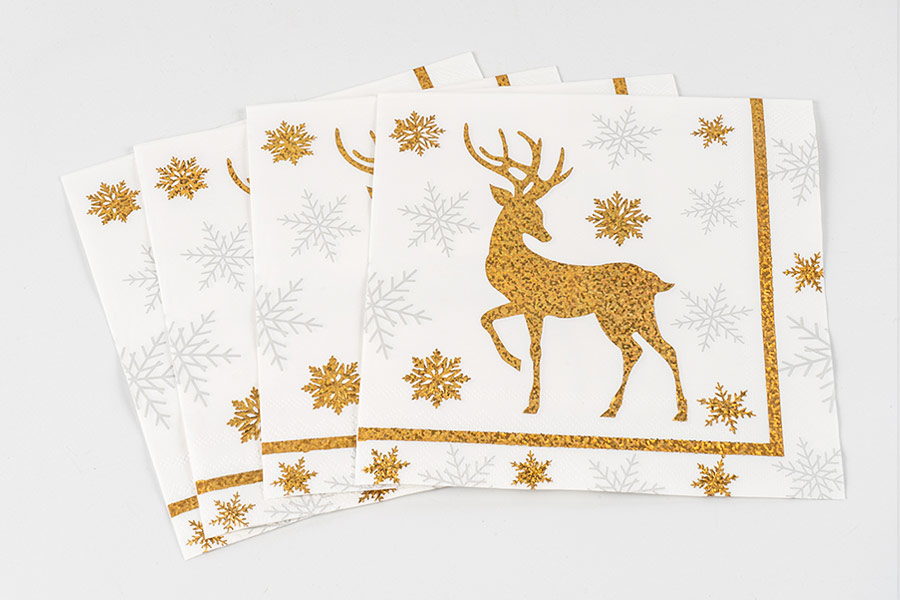
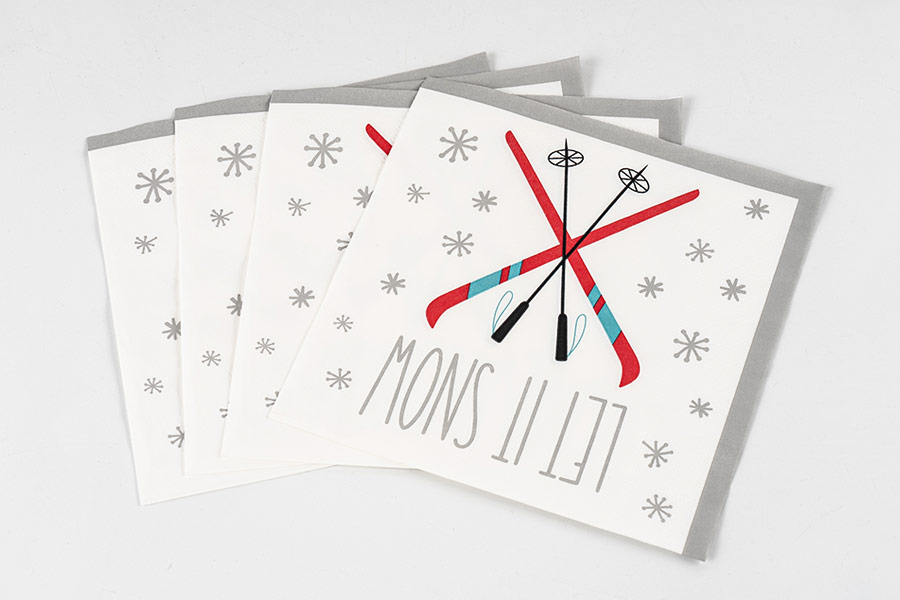
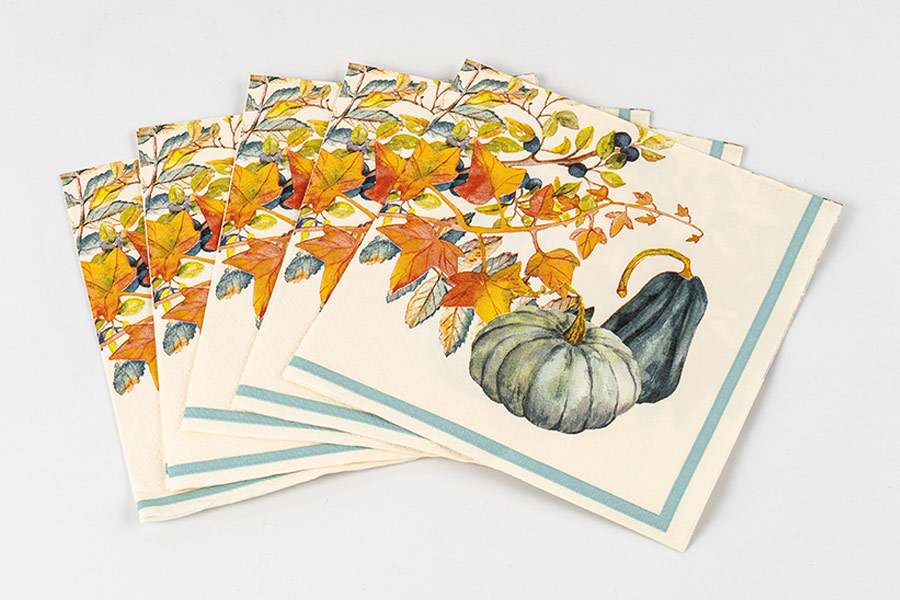
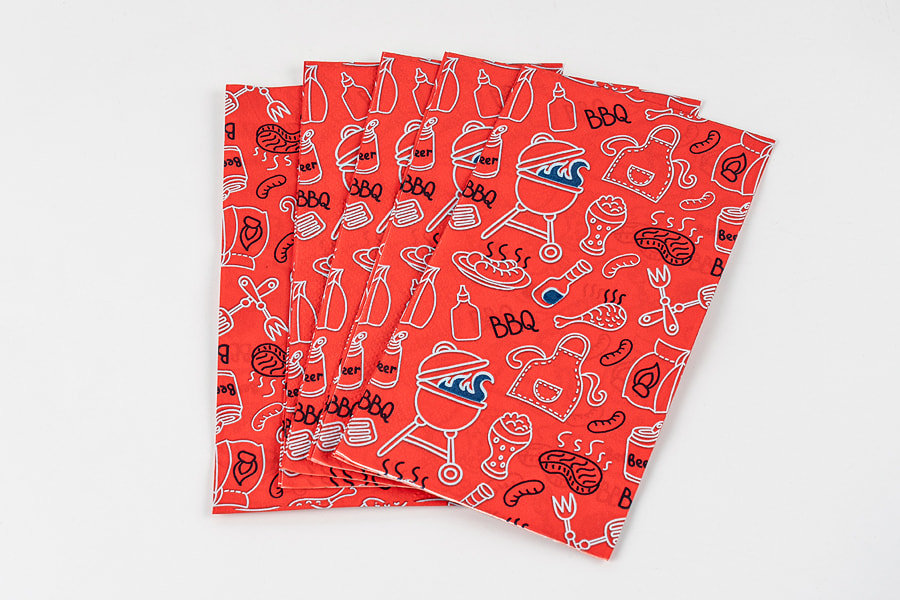
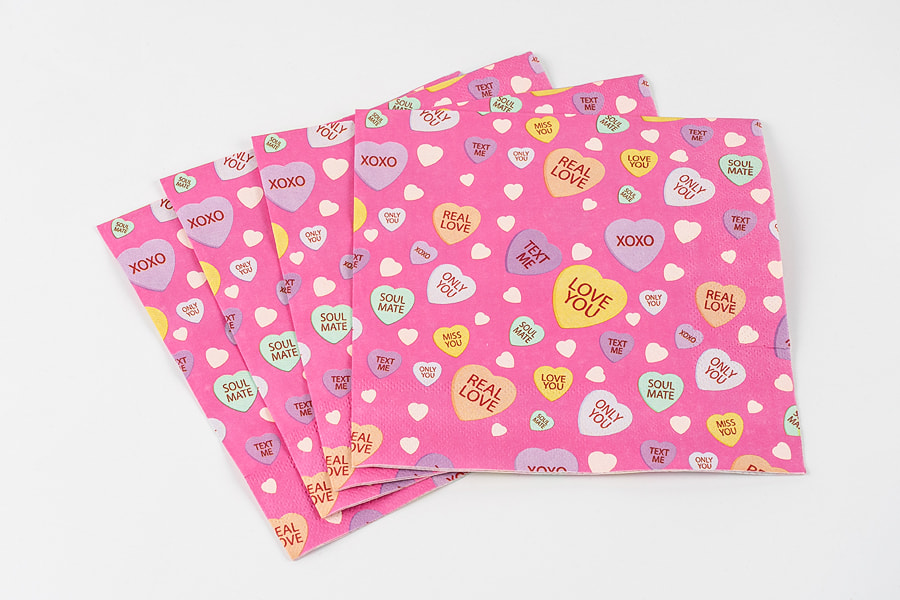
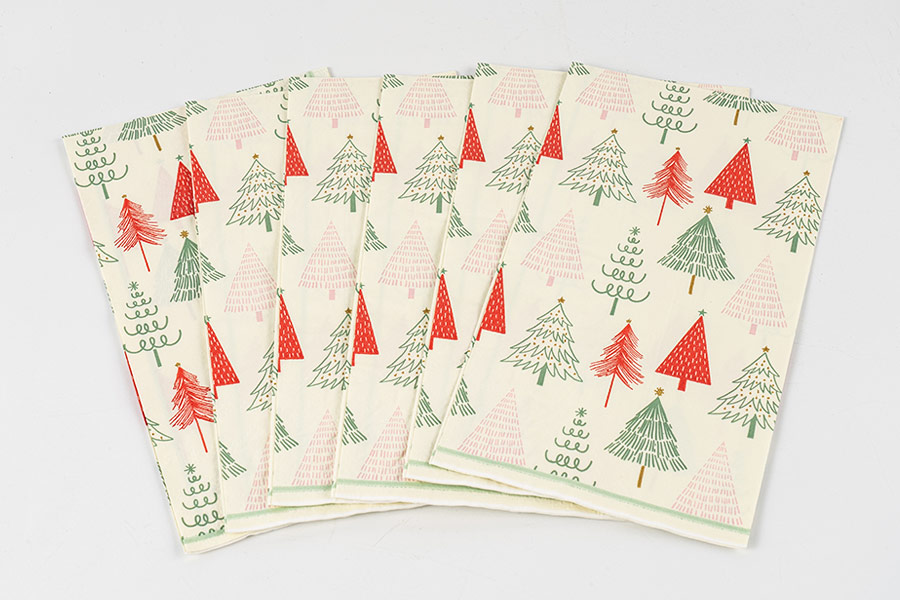
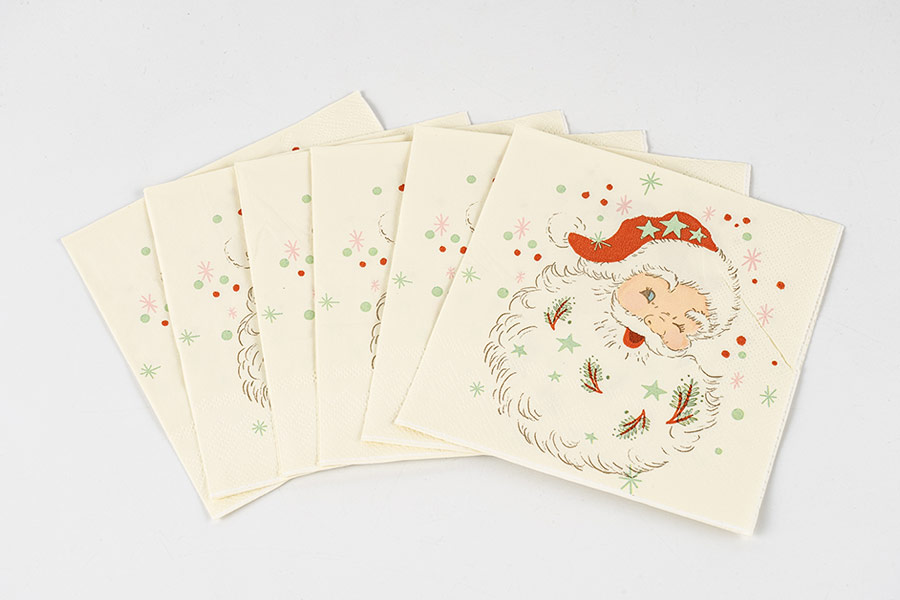
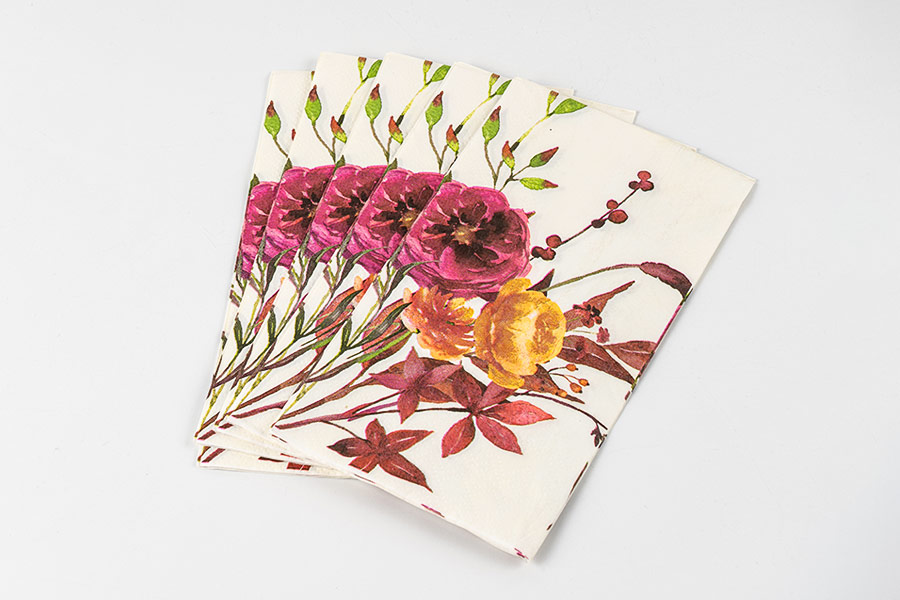
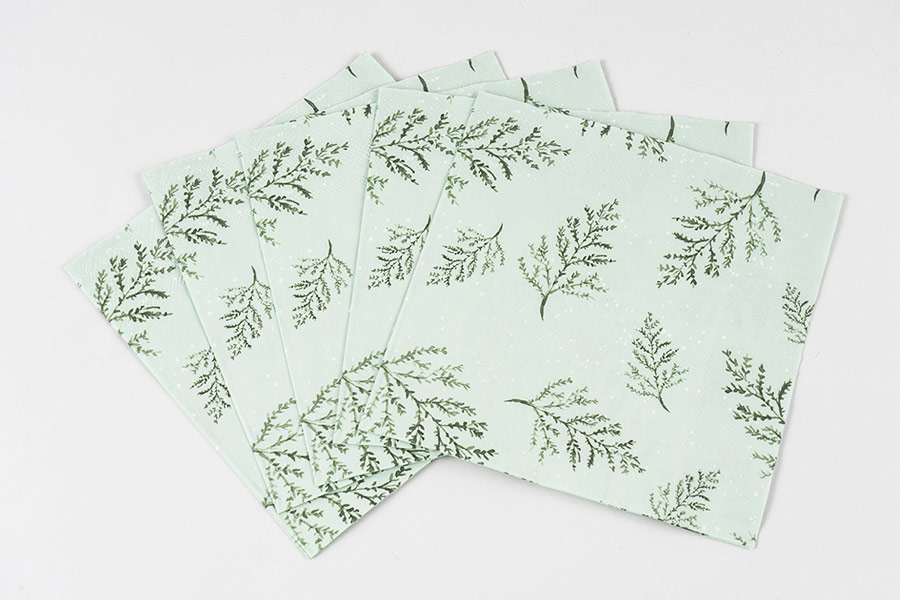
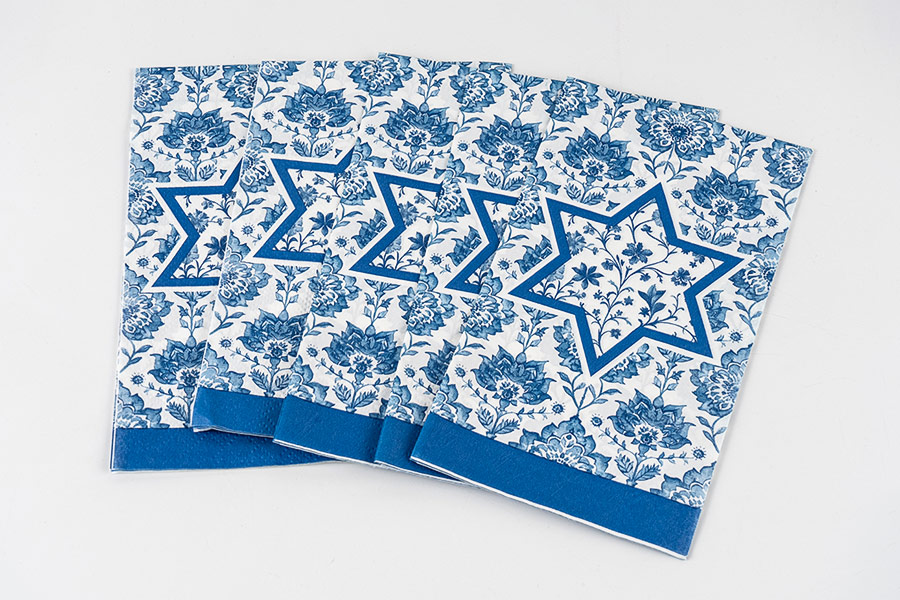
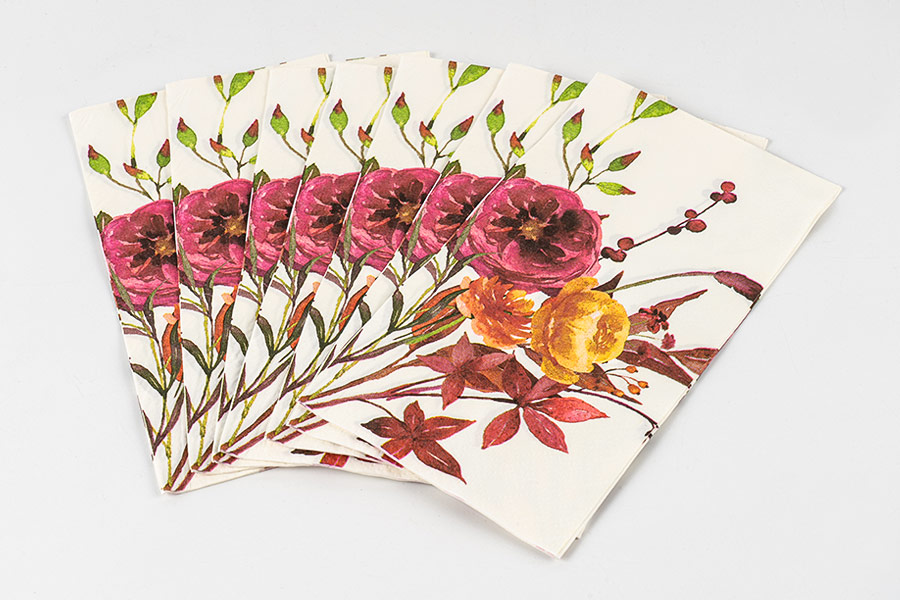
Ordinary Paper Napkin products are widely used in homes, restaurants, cafes, and public spaces due to their affordability, practicality, and hygienic benefits. As disposable paper products continue to replace reusable cloth alternatives, Ordinary Paper Napkins have become an essential item for daily dining and cleaning needs.
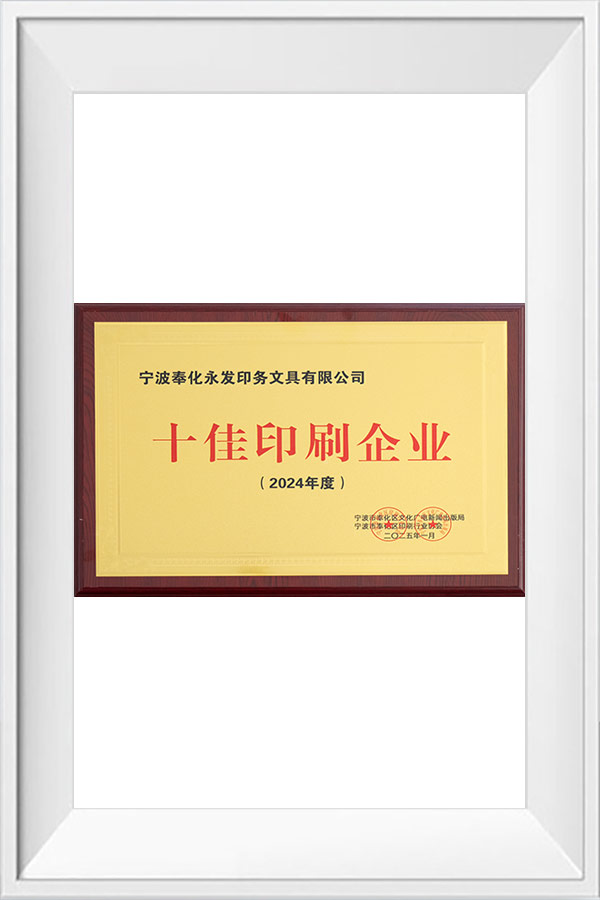
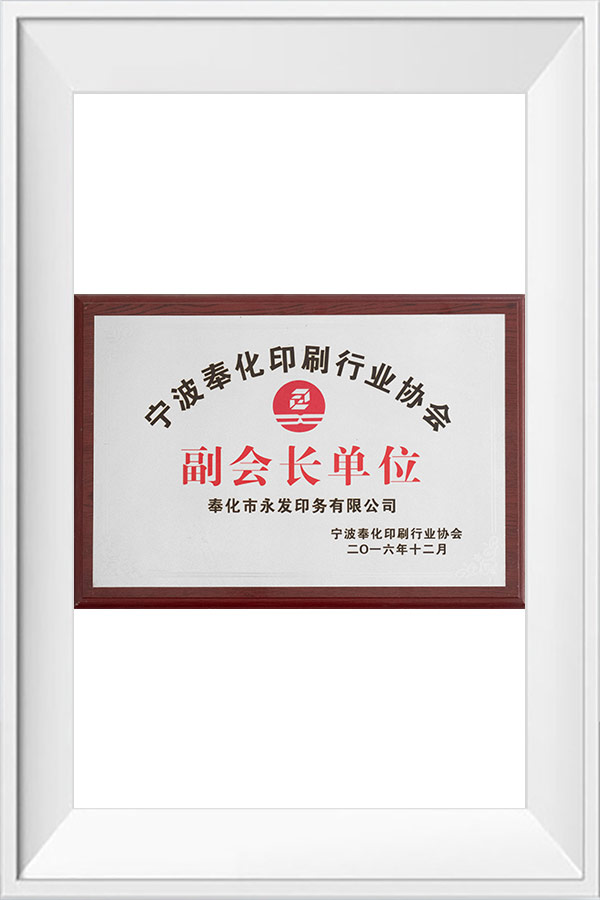
Ningbo Fenghua Yongfa Printing & Stationery Co., Ltd. specializes in the production and manufacturing of paper products, party supplies, and packaging supplies. Our Ordinary Paper Napkins support customization of patterns and shapes. Our main products include paper cups, paper plates, napkin package boxes, cards, bags, and other paper items.
1. What Is an Ordinary Paper Napkin?
An Ordinary Paper Napkin is a lightweight, single-use paper tissue designed for wiping hands, cleaning surfaces, and absorbing liquids during meals. It is typically made from virgin pulp or recycled paper pulp and processed to achieve softness and adequate strength.
2. Key Features of Ordinary Paper Napkin
- Soft texture: Gentle on skin and suitable for daily use.
- Good absorbency: Quickly absorbs spills and moisture.
- Disposable hygiene: Reduces cross-contamination risks.
- Cost-effective: Ideal for high-volume consumption.
- Lightweight and compact: Easy to store and transport.
3. Common Applications
- Household dining: Everyday table use.
- Restaurants and cafes: Table service and takeaway orders.
- Fast food outlets: Quick clean-up and customer convenience.
- Events and parties: Large-scale disposable serving needs.
- Office pantries: Convenient hygiene solution.
4. Material Types and Specifications
| Type |
Material |
Main Advantage |
| Virgin Pulp Napkin |
Pure wood pulp |
High softness and cleanliness |
| Recycled Paper Napkin |
Reprocessed paper fibers |
Eco-friendly and cost-efficient |
| Single-Ply Napkin |
One paper layer |
Economical and lightweight |
| Two-Ply Napkin |
Double-layer paper |
Stronger absorption and durability |
5. Benefits of Using Ordinary Paper Napkin
- Improved hygiene: Single-use design prevents bacteria transfer.
- Convenience: No washing or maintenance required.
- Cost control: Low unit price reduces operating expenses.
- Versatility: Suitable for food service and general cleaning.
6. Environmental Considerations
Many Ordinary Paper Napkin manufacturers now adopt sustainable practices, such as using recycled pulp, reducing bleaching chemicals, and improving biodegradability. Choosing eco-certified products helps minimize environmental impact while maintaining performance.
7. How to Choose the Right Ordinary Paper Napkin
- Check absorbency level: Choose two-ply for better performance.
- Consider softness: Important for facial and hand contact.
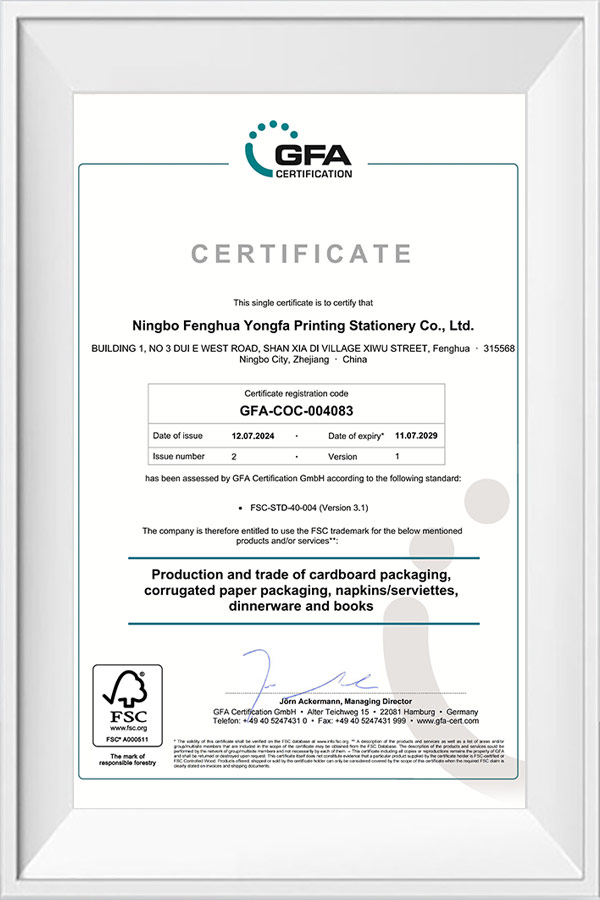
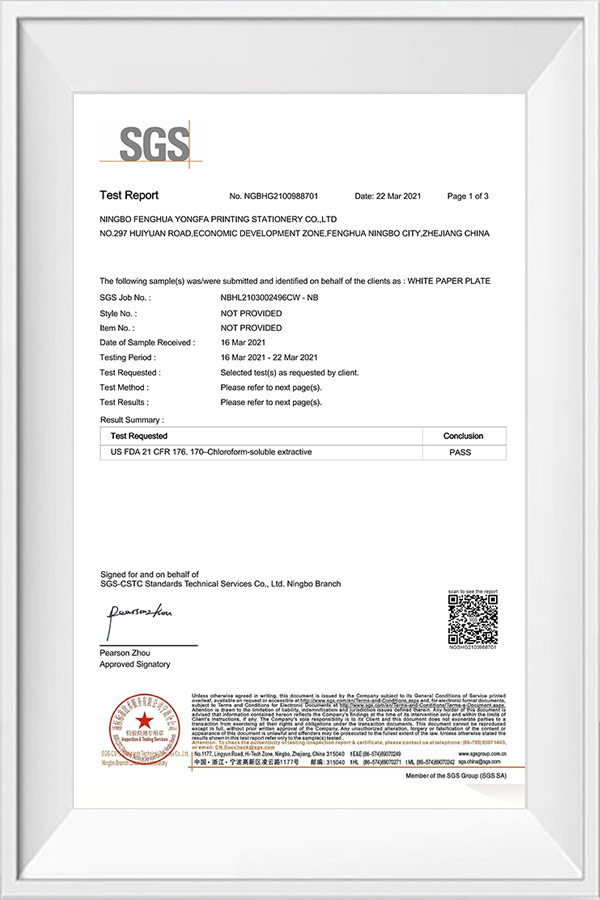
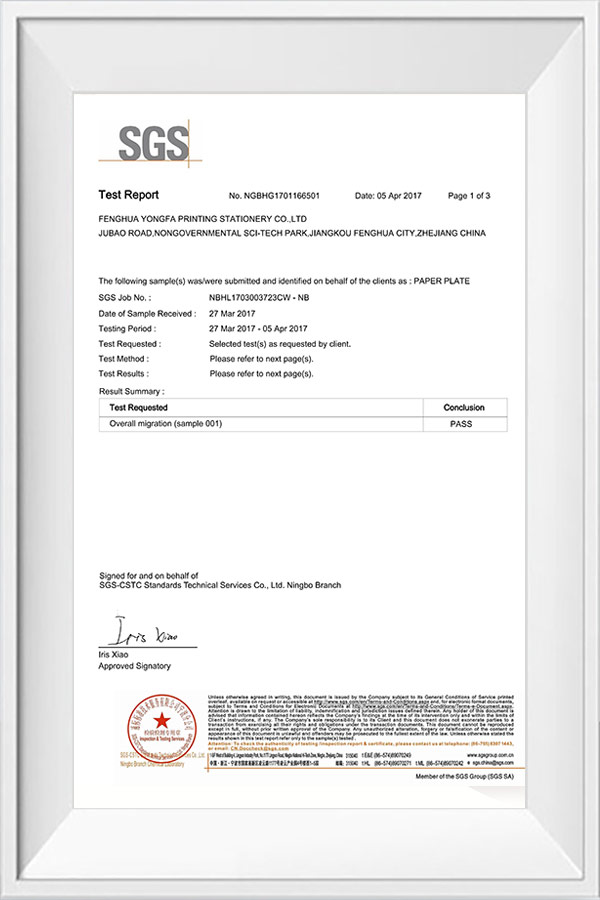
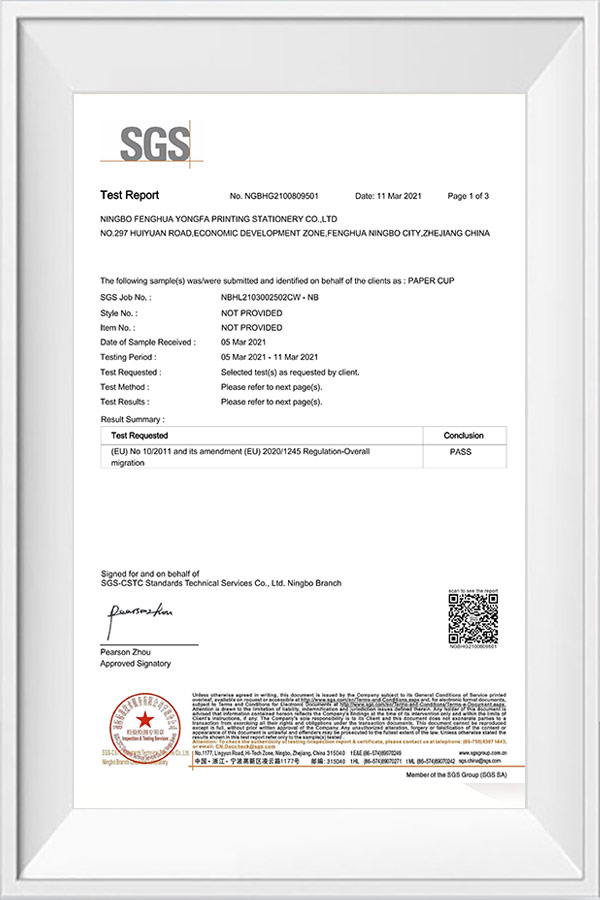
- Review certifications: Food-grade and hygiene standards matter.
- Select proper size: Standard, cocktail, or dinner napkin formats.
8. FAQ About Ordinary Paper Napkin
Are Ordinary Paper Napkins safe for food contact?
Yes, food-grade Ordinary Paper Napkins are manufactured under safety standards and are safe for direct food contact.
Can Ordinary Paper Napkins be recycled?
Unused and clean napkins may be recyclable depending on local regulations, but used napkins are usually compostable or disposed of as general waste.
What is the difference between single-ply and two-ply napkins?
Single-ply napkins are thinner and more economical, while two-ply napkins offer better absorbency and strength.
Are recycled paper napkins safe to use?
Yes, high-quality recycled paper napkins go through strict processing and sanitization to ensure safety.
How should Ordinary Paper Napkins be stored?
They should be kept in a dry, clean environment to prevent moisture and contamination.
Ordinary Paper Napkin products play an important role in daily hygiene and food service operations. With advantages such as affordability, convenience, and environmental adaptability, they remain a reliable solution for households and commercial users alike. Selecting the right type ensures better user experience and improved cleanliness.


 English
 中文简体
中文简体