English
 中文简体
中文简体What is Paper Napkin?
Content
- 1 How to Use Paper Napkins Correctly: A Complete Guide
- 2 How Paper Napkins Help Improve Table Hygiene?
- 2.1 1. Absorbing Spills and Preventing Stains
- 2.2 2. Cleaning Hands and Preventing Cross-Contamination
- 2.3 3. Wiping Surfaces and Keeping the Table Clean
- 2.4 4. Controlling Odors and Freshening the Table
- 2.5 5. Supporting Eco-Friendly Hygiene Practices
- 2.6 6. Napkins as a Barrier Against Allergens and Dirt
- 3 Do Paper Napkins Affect the Taste of Food?
- 4 What Precautions Should Be Taken When Storing Paper Napkins?
- 4.1 1. Keep Paper Napkins Dry
- 4.2 2. Store Paper Napkins in a Cool, Dry Place
- 4.3 3. Keep Paper Napkins Away from Direct Sunlight
- 4.4 4. Avoid Storing Paper Napkins in Damp Areas
- 4.5 5. Keep Paper Napkins Free from Dust and Dirt
- 4.6 6. Avoid Overstacking Napkins
- 4.7 7. Store Napkins in Their Original Packaging
- 5 Can Paper Napkins Be Reused?
How to Use Paper Napkins Correctly: A Complete Guide
Paper napkins are a common yet essential item in dining etiquette. Whether you are dining at a restaurant or enjoying a casual meal at home, knowing how to use paper napkins correctly is key to maintaining cleanliness and good manners.
1. The Right Way to Unfold a Paper Napkin
The first step in using paper napkins properly is unfolding them correctly. Here's how to do it:
- At formal occasions: Although paper napkins are often used in casual settings, some formal events may still use high-quality paper napkins. When you are given a paper napkin, unfold it gently on your lap. Avoid shaking it open; instead, unfold it slowly to avoid making noise.
- At casual meals: In a more relaxed setting, paper napkins are typically folded into quarters or placed in a napkin holder. Simply pick up the napkin, unfold it, and place it on your lap. If you are seated at a buffet or a casual dining table, you may leave the napkin on the table beside your plate.
Never scrunch or crumple the napkin before use. It's important to keep it flat and neat to avoid awkwardness when you are using it.
2. Using Paper Napkins During the Meal
During the meal, paper napkins serve several important purposes, including cleaning your hands, wiping your mouth, and preventing food spills. Here are the main guidelines to follow:
- Wipe your mouth: After each bite, gently dab your mouth with the napkin to remove any food residue or sauce. Avoid wiping your face with the napkin. You should also avoid using the napkin to wipe your hands unless necessary.
- Keep it on your lap: When you are not using the napkin, it should remain on your lap. Never leave the napkin on your chair or table unless you are finished eating. This helps maintain a clean and organized setting.
- Use as needed: If you spill food or drink, you can use the napkin to clean it up immediately. Paper napkins are designed to absorb liquids quickly, so they are ideal for dealing with spills and stains.
In casual settings, it’s perfectly fine to use several napkins during a meal. Keep a fresh napkin nearby if needed, especially when dealing with particularly messy foods like ribs or pasta with sauce.
3. How to Dispose of Paper Napkins After the Meal
When the meal is over, it is important to dispose of the paper napkin correctly. Here’s how:
- For casual meals: If the napkin is still relatively clean, you can place it next to your plate or on top of the plate. For heavily used napkins that have absorbed a lot of food or liquid, it is better to place them in the trash.
- Do not leave napkins on the chair: After finishing your meal, avoid leaving your napkin on the chair, as this can give the impression that you are not yet done. Instead, place it neatly beside your plate or in the trash if it’s heavily soiled.
- For takeout: If you are using paper napkins with takeout food, it’s a good practice to keep the napkin in the bag or container until you finish your meal, then dispose of it properly once you're done.
4. Why Paper Napkins Are Important for Hygiene
Using paper napkins correctly can help you maintain hygiene during meals. Here’s how:
- Prevent spills: Paper napkins are absorbent and can help prevent spills from reaching your clothes. They are also useful for wiping your hands if you’re eating something messy, such as burgers or sandwiches.
- Minimize bacteria transfer: If you are eating with your hands or using utensils, a paper napkin can help reduce the transfer of bacteria from your hands to your mouth or food. By dabbing your mouth and hands frequently, you limit the amount of food residue left on your skin, which helps minimize the spread of germs.
- Convenient cleanup: If you spill something on your clothes or the table, paper napkins provide an easy and quick way to clean up the mess. They are especially handy in situations where you don’t have access to water or other cleaning materials.
5. Paper Napkins in Different Dining Settings
The correct use of paper napkins can vary depending on the dining setting. Here’s how they are typically used in different environments:
- Formal dining: In upscale restaurants, paper napkins are often of a higher quality and are folded neatly. They may be placed in a napkin ring or folded in a specific shape. Use the napkin in the same manner as you would a cloth napkin—gently unfold it and place it on your lap, using it as needed throughout the meal.
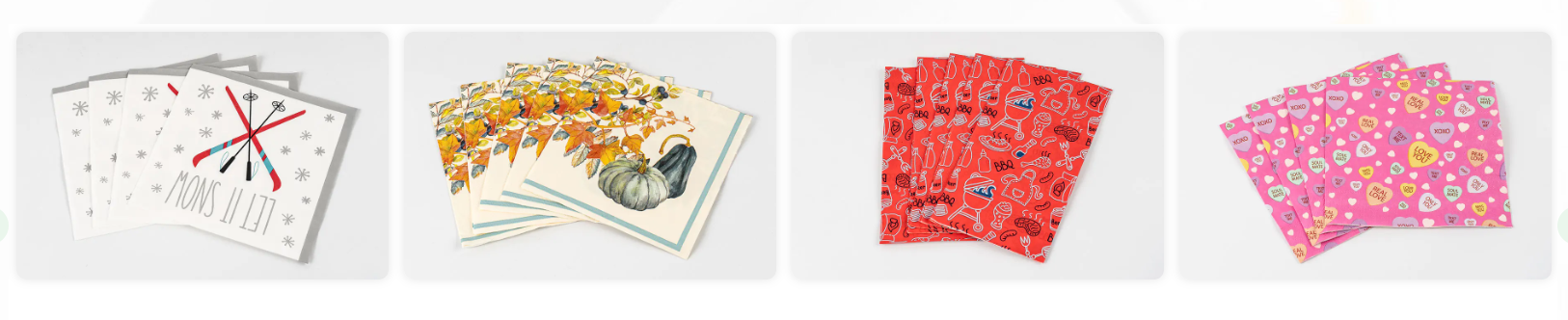
- Casual dining: Paper napkins in casual settings are usually provided in a napkin holder or alongside the meal. These are typically single-use napkins, ideal for wiping your mouth or hands quickly. Be sure to use them sparingly to avoid excessive waste.
- Outdoor dining: When eating outdoors, such as at a picnic or barbecue, paper napkins are often a necessity due to the messier nature of the meal. They help with wiping off food and drink spills and keeping your hands clean, especially when eating with your hands.
6. Sustainability and Recycling of Paper Napkins
While paper napkins are essential, it is also important to consider their environmental impact. Here are some ways to use paper napkins more sustainably:
- Recycling: If the paper napkin is free from heavy food residue, it may be recycled. However, napkins that are greasy or covered in food waste should be discarded properly, as they can contaminate the recycling process.
- Composting: In cases where the napkin is made from biodegradable paper, it can be composted if it’s used for cleaning up food. This is a more eco-friendly alternative to throwing it away.
- Choose eco-friendly napkins: Consider using recycled paper napkins or brands that offer biodegradable options. These choices reduce the overall environmental impact while still providing the same convenience and hygiene benefits.
Using paper napkins correctly is essential for maintaining cleanliness, hygiene, and good dining etiquette. Whether you are at a formal event or a casual meal, following the right steps when handling paper napkins ensures that you eat comfortably without worrying about spills or stains. Additionally, being mindful of recycling and sustainability helps reduce the environmental impact of paper napkins. By following these guidelines, you can make your dining experience more pleasant, hygienic, and eco-friendly.
How Paper Napkins Help Improve Table Hygiene?
Paper napkins, though simple in design, play a crucial role in maintaining hygiene during meals. They are an easy-to-use and highly effective tool that can prevent the spread of germs, keep your eating area clean, and contribute to a more enjoyable dining experience. In this article, we’ll explore the various ways in which paper napkins can improve table hygiene and enhance your overall meal experience.
1. Absorbing Spills and Preventing Stains
One of the most common issues during meals is food and drink spills. Whether it’s a cup of coffee tipping over or a splash of soup, spills can quickly lead to a mess. Paper napkins are designed to absorb liquids, which makes them an excellent tool for cleaning up spills quickly and effectively. Here's how they help:
- Preventing spills from spreading: When a spill occurs, a paper napkin can quickly soak up the liquid, preventing it from spreading to the tablecloth, nearby plates, or your clothing. This helps to keep the dining area clean and hygienic.
- Reducing the risk of bacteria: Spilled liquids, particularly food-based ones, can become a breeding ground for bacteria if left untreated. By quickly blotting up spills with a paper napkin, you limit the amount of moisture that remains on the table, reducing the likelihood of bacterial growth.
2. Cleaning Hands and Preventing Cross-Contamination
Hands are one of the most common sources of germs during meals, especially when eating with your hands or handling messy food. Paper napkins help mitigate this risk by allowing you to clean your hands frequently during the meal. Here's why this is important:
- Cleaning before and after meals: Using a paper napkin to wipe your hands before you begin eating, especially after touching items like condiments or utensils, helps ensure that you start your meal with clean hands.
- Wiping after each bite: Dabbing your hands with a paper napkin after each bite helps reduce the spread of food particles or bacteria to other surfaces, like the table or your utensils. This is particularly important when eating foods that are high in oil or sauces.
- Preventing cross-contamination: If you're eating with others, wiping your hands with a paper napkin between bites prevents the transfer of bacteria or allergens from your hands to shared items like bread baskets or dips.
3. Wiping Surfaces and Keeping the Table Clean
In addition to personal hygiene, paper napkins are essential for maintaining a clean dining environment. Here's how they can help with surface cleanliness:
- Wiping food debris: After eating, there are often crumbs or food particles left on the table. Paper napkins can be used to quickly wipe down the table surface, ensuring that no food debris is left behind to attract pests or cause contamination.
- Preventing sticky residues: When eating sticky foods like sauces, syrups, or salad dressings, paper napkins help to wipe away any excess before it can harden or become difficult to clean later. This keeps your table free of any unwanted mess.
- Easy clean-up: Paper napkins are ideal for wiping up quick messes without the need for additional cleaning supplies. They help you maintain a tidy dining area, especially in informal settings where you may not have access to water or cleaning materials immediately.
4. Controlling Odors and Freshening the Table
Paper napkins can also contribute to a fresher dining environment by controlling odors. Some foods, especially those with strong scents, can linger in the air or on surfaces, making the dining area feel less pleasant. Here's how napkins can help:
- Absorbing food odors: High-quality paper napkins can absorb residual odors left behind by food. By wiping your hands or the table with a napkin, you may help reduce the lingering smells of garlic, onions, or spicy foods.
- Freshening the air: Many disposable paper napkins are lightly scented, which can add a refreshing fragrance to the dining area. This helps improve the overall atmosphere, making the meal more enjoyable and pleasant.
5. Supporting Eco-Friendly Hygiene Practices
In recent years, there has been an increased emphasis on sustainability in hygiene practices. While paper napkins are often seen as single-use items, many brands now offer eco-friendly options that contribute to both personal and environmental hygiene:
- Recycled napkins: Some paper napkins are made from recycled paper, which reduces waste and minimizes the environmental impact of paper production. Choosing these napkins helps promote sustainability without compromising on hygiene.
- Biodegradable napkins: Paper napkins made from biodegradable materials break down naturally when disposed of, reducing landfill waste and promoting a cleaner environment while maintaining hygiene.
6. Napkins as a Barrier Against Allergens and Dirt
Paper napkins also serve as a barrier to allergens and dirt that may be present on the table or in the air. This is especially useful in settings where you may not be sure about the cleanliness of the table:
- Protecting from allergens: If you have food allergies or sensitivities, using a napkin to wipe your hands before touching food can reduce the risk of contamination. Additionally, if you're dining at a public table, using a napkin to touch surfaces can prevent exposure to allergens like nuts or gluten.
- Creating a clean surface: Using a napkin to wipe down your eating area ensures that any dirt or dust on the table is removed, leaving a cleaner, more hygienic surface to eat from.
Paper napkins are a simple yet effective tool in improving table hygiene. By helping to absorb spills, clean hands, wipe down surfaces, control odors, and reduce cross-contamination, paper napkins enhance the overall cleanliness of the dining area. With the added benefit of eco-friendly options, they offer a hygienic solution that is also mindful of the environment. The next time you sit down to a meal, remember that a paper napkin can be an essential ally in keeping your dining space clean and safe for everyone.
Do Paper Napkins Affect the Taste of Food?
While paper napkins are primarily used for cleaning and maintaining hygiene during meals, an interesting question arises: Do they affect the taste of food? The answer to this question is not as straightforward as one might think. While napkins are not meant to interact directly with the food itself, there are subtle ways in which they may influence your dining experience, either by enhancing or detracting from the flavor of your meal. In this article, we will explore how paper napkins might affect the taste and overall enjoyment of your food.
1. Absorption of Food Aromas
One of the more common ways paper napkins can influence the dining experience is through the absorption of food aromas. High-quality paper napkins are designed to absorb moisture, but they also tend to absorb odors, especially from strong-smelling foods like garlic, onions, or spices.
- Aromas on the napkin: When you use a paper napkin to dab your mouth or wipe your hands, the napkin may absorb some of the aromas of the food. If the napkin retains strong food odors, it could slightly affect the flavor profile when you inhale these scents while eating.
- Less odor interference: However, if you use a napkin to clean your hands between bites, you may be able to neutralize some of the food odors that linger on your hands, potentially enhancing your ability to taste food more clearly.
2. Impact of Scented Napkins
Some paper napkins are lightly scented to add a pleasant fragrance to the dining environment. While this is typically seen as a positive addition, it can have a minor effect on the taste of your food.
- Adding fragrance: The scent of a napkin could mask or blend with the aromas of the food, creating a subtle impact on your sensory experience. For instance, a strong floral or citrus scent from a napkin could alter how you perceive the food's smell, which is closely linked to taste.
- Potential distraction: If the fragrance of the napkin is too overpowering, it may distract you from fully appreciating the flavors of the dish, especially in delicate meals where aroma is a key component of the taste experience.
3. Texture and Cleanliness Influence Taste Perception
The tactile experience of using a napkin can also indirectly affect how you perceive the taste of food. The texture of the napkin, especially if it’s rough or unpleasant, could affect your comfort level during the meal. This discomfort may distract from your enjoyment of the food.
- Comfortable napkin use: A soft, high-quality paper napkin feels pleasant to the touch and can help make the meal more enjoyable. When you're comfortable, you're more likely to savor your food and experience its flavors more fully.
- Hygiene and cleanliness: Clean hands and a clean face are essential to a positive dining experience. If your hands are messy or greasy, using a paper napkin to wipe them off ensures that you’re not distracted by food residue. This allows you to taste the food more clearly without the interference of lingering oil or sauces on your skin.
4. Napkins and Food Presentation
Another way paper napkins might influence the taste of food is through their impact on the overall dining presentation. While napkins don’t directly interact with the food, they contribute to the ambiance and cleanliness of the meal. This can affect how you perceive the taste of your food.
- Visual appeal: A neatly folded paper napkin placed alongside your plate contributes to a well-organized, visually appealing dining setup. When the environment looks clean and well-arranged, it can enhance your overall dining experience, making the food taste better simply because you feel more comfortable and satisfied with the setting.
- Increased attention to the meal: When everything is presented well, including the napkin, you may be more focused on the food itself, paying closer attention to the textures and flavors, which could enhance your taste perception.
5. Psychological Effects of Paper Napkins
Psychological factors can play a significant role in how we perceive food. The cleanliness provided by paper napkins might influence the way we think about the taste of food, even if it doesn’t physically alter the food itself.
- Perception of cleanliness: Using a clean napkin may psychologically reinforce a sense of cleanliness, making the food seem fresher or more appetizing. This can lead to a more positive taste experience, as people often associate cleanliness with better quality.
- Environmental factors: The environment in which you eat, including the napkin's quality and design, can contribute to your overall mood. When you feel comfortable and the dining area is clean, you may be more likely to enjoy your meal and experience the flavors more fully.
6. Minimal Impact on the Taste of Food
Overall, paper napkins have a minimal direct effect on the taste of food. Their main purpose is to clean and maintain hygiene, not to influence the food itself. However, by providing a clean environment, reducing distractions, and improving comfort, they can indirectly enhance your ability to taste the food more clearly.
It’s important to note that the effect of paper napkins on taste is generally subtle and may vary depending on factors such as the napkin's scent, texture, and the type of food you're eating. The overall impact on the flavor is negligible in most cases, but in certain situations, a scented or overly strong napkin could slightly affect your dining experience.
While paper napkins are not directly involved in altering the taste of food, they do have a subtle yet significant impact on the overall dining experience. From influencing food aromas and cleanliness to affecting the dining environment, paper napkins contribute to how you perceive and enjoy your meal. Although they are not likely to change the actual taste of your food, their role in enhancing comfort, cleanliness, and ambiance can indirectly improve your taste experience. So, while the napkin itself won’t alter the flavors of your dish, it certainly plays a role in ensuring that your meal is enjoyable and pleasant.
What Precautions Should Be Taken When Storing Paper Napkins?
Properly storing paper napkins is essential for maintaining their quality, cleanliness, and overall usability. Whether you use them in your kitchen, dining room, or restaurant, ensuring they remain in good condition will help you get the most out of your napkins. In this article, we will explore the best practices for storing paper napkins, so they stay clean, dry, and ready for use.
1. Keep Paper Napkins Dry
One of the most important precautions when storing paper napkins is to keep them dry. Moisture can cause paper napkins to become soggy, discolored, or even damaged, making them unusable. Here's how you can protect your napkins from moisture:
- Avoid storing napkins in damp environments: Paper napkins should not be stored in areas like bathrooms, basements, or near windows that may be exposed to humidity or condensation. Excess moisture can weaken the napkins and reduce their effectiveness when used.
- Use airtight storage: If you're storing a large number of napkins, consider using an airtight container or a sealed plastic bag to keep out moisture. This will help prevent the napkins from absorbing any moisture from the air, keeping them dry and ready to use.
2. Store Paper Napkins in a Cool, Dry Place
Temperature and humidity play a significant role in preserving the quality of paper napkins. It's essential to store them in a cool, dry place to avoid any damage caused by heat or moisture:
- Avoid heat sources: Do not store paper napkins near direct sources of heat, such as radiators, ovens, or stovetops. Excessive heat can cause the napkins to become brittle, dry out, or lose their texture.
- Store in a pantry or cabinet: The best places to store paper napkins are in a pantry, kitchen cabinet, or other cool, dry areas away from sunlight and extreme temperatures. This will help preserve their softness and quality.
3. Keep Paper Napkins Away from Direct Sunlight
Exposure to direct sunlight can damage paper napkins in several ways. The most common effect is discoloration, which can make the napkins look old and unappealing. To prevent this:
- Store away from windows: Avoid placing paper napkins on countertops or shelves where they are exposed to direct sunlight. Sunlight can cause fading and weaken the paper fibers, leading to premature tearing or damage.
- Use opaque containers: If you need to store napkins in a location where sunlight is unavoidable, consider using an opaque storage container to block the sunlight and protect the napkins.
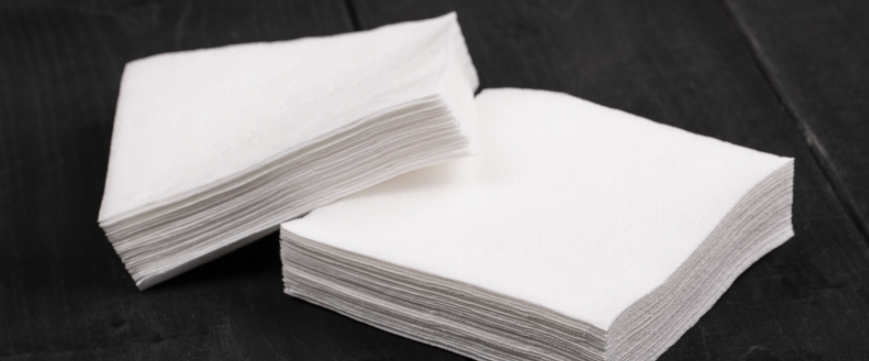
4. Avoid Storing Paper Napkins in Damp Areas
As mentioned earlier, dampness is one of the main enemies of paper napkins. Storing them in areas with excessive moisture can cause the napkins to lose their structural integrity. To prevent this:
- Store in a well-ventilated area: Choose a storage space with good airflow. Ventilated areas help reduce humidity and prevent the growth of mold or mildew that could damage the napkins.
- Use desiccants or moisture absorbers: In particularly humid environments, consider placing silica gel packets or moisture-absorbing products in your storage area. These can help keep the paper napkins dry by absorbing any excess moisture in the air.
5. Keep Paper Napkins Free from Dust and Dirt
Paper napkins are often stored in open napkin holders or on shelves, making them susceptible to dust, dirt, and other contaminants. To prevent this:
- Use covered storage: If you're storing napkins in a visible location, use a napkin holder with a lid or a covered box to protect the napkins from dust and dirt. This will ensure they remain clean and ready to use when you need them.
- Store in a clean, dry environment: Make sure the area where you store the napkins is regularly cleaned to prevent dust buildup. This is especially important in kitchens, where food particles and grease can easily accumulate.
6. Avoid Overstacking Napkins
When storing paper napkins, it's essential to avoid overstacking them. Overstacking can lead to compression, which may cause the napkins to become misshapen, torn, or uneven. Here's how to store napkins to avoid this issue:
- Store in smaller batches: If you have a large supply of napkins, divide them into smaller stacks or bundles. This way, each bundle will stay intact without the weight of other napkins compressing them.
- Don't stack too high: Avoid stacking napkins too high in any container. A large, heavy stack can cause the napkins at the bottom to become damaged or lose their shape.
7. Store Napkins in Their Original Packaging
If you purchase napkins in bulk, it's often best to store them in their original packaging until you're ready to use them. The packaging is designed to protect the napkins from dust, dirt, moisture, and light exposure. Additionally:
- Check expiration dates: While paper napkins don't typically expire, it’s still a good idea to check for any expiration or “best used by” dates printed on the packaging. This ensures that the napkins are in good condition when you use them.
- Sealed packaging: If you have a large quantity of napkins and cannot use them all at once, keep them in sealed packaging to protect them from environmental factors that could cause damage.
| Precaution | Description |
| Keep Dry | Store paper napkins in a dry environment to prevent moisture absorption, which can cause them to become soggy and weaken. |
| Avoid Direct Sunlight | Exposure to sunlight can cause paper napkins to fade and become brittle. Store napkins in a shaded, cool area. |
| Store in a Cool, Dry Place | Ensure napkins are stored away from heat sources like radiators or ovens to maintain their texture and integrity. |
| Use Airtight Storage | If storing napkins in bulk, consider using an airtight container or sealed plastic bag to keep out moisture and dust. |
| Prevent Overstacking | Avoid overstacking napkins to prevent compression and damage. Store in smaller batches to maintain their shape. |
| Keep Away from Dirt and Dust | Store napkins in clean containers or holders to avoid contamination from dust, dirt, or grease, which can make them unhygienic. |
| Check for Packaging Damage | If storing napkins in their original packaging, ensure the packaging is intact and hasn't been compromised by moisture or physical damage. |
Proper storage of paper napkins is essential for maintaining their quality and effectiveness. By following these precautions—keeping them dry, storing them in a cool, dry place, and avoiding exposure to sunlight, dust, and moisture—you can ensure that your napkins remain in good condition and ready to use when needed. Taking the time to properly store paper napkins will help you maximize their lifespan, reduce waste, and make sure that your dining experience is always clean, hygienic, and enjoyable.
Can Paper Napkins Be Reused?
Paper napkins are typically designed for single-use, but it’s common to wonder whether they can be reused in certain situations. While they are generally intended for one-time use due to hygiene concerns, there are specific scenarios where reusing paper napkins might be possible, depending on the condition and purpose. In this article, we will explore whether paper napkins can be reused, and if so, how to do it safely and effectively.
1. Hygiene Concerns with Reusing Paper Napkins
One of the main reasons paper napkins are intended for single use is hygiene. Once a napkin has been used to wipe your mouth or hands, it can harbor bacteria, food particles, and germs. Reusing a napkin, especially after it has been in contact with food or saliva, can increase the risk of cross-contamination. Here's what you need to consider:
- Bacteria and germs: After using a paper napkin to clean your hands or face, it may contain bacteria or food residue that could lead to contamination. Reusing the napkin could transfer these germs back onto your skin or other surfaces, which could be harmful, especially in food preparation or eating settings.
- Health risks: In cases where the napkin has been used to wipe up something particularly messy or harmful (like raw meat juices), reusing it could pose serious health risks, such as foodborne illnesses or skin infections.
2. When It Might Be Safe to Reuse Paper Napkins
Although it's generally not advisable to reuse paper napkins after they have been used to clean hands or wipe mouths, there are some instances where you may be able to use them again safely. Here are a few cases when reusing paper napkins might be acceptable:
- Light use: If the napkin has been used only lightly (such as to wipe away a small amount of crumbs or to pat dry your hands), and there is no visible food residue or stains, you may be able to reuse it once or twice. However, this should only be done if you are certain that the napkin is clean and dry.
- Drying purposes: If you use the napkin to simply dab moisture from your hands (and not from food), it may be safe to use it again for a similar purpose. However, it should not be reused for food contact.
- For non-food-related tasks: If the paper napkin is clean and free from contaminants, it can be repurposed for light cleaning tasks, such as wiping dust from surfaces or cleaning non-food items around the house. This helps extend its life without compromising hygiene.
3. How to Safely Reuse Paper Napkins
If you decide to reuse paper napkins, it’s essential to do so with caution. Here are some tips on how to safely reuse them:
- Check for cleanliness: Before reusing any napkin, ensure it is still clean and free from food debris, moisture, or stains. Napkins used for wiping food should not be reused, as they can harbor bacteria or pathogens.
- Limit reuse to non-food tasks: If you are planning to reuse the napkin, only do so for tasks that do not involve direct contact with food, such as dusting, cleaning non-food surfaces, or drying your hands after washing them.
- Dry the napkin: If the napkin is damp, allow it to dry completely before reusing it. Storing a damp paper napkin can encourage the growth of mold or bacteria, which can be harmful.
4. Eco-Friendly Alternatives for Reusing Napkins
If you're looking to reduce waste and are concerned about the environmental impact of paper napkins, there are more sustainable options to consider. Instead of reusing paper napkins, you can explore eco-friendly alternatives that are designed for multiple uses:
- Cloth napkins: Cloth napkins are a great alternative to paper napkins. They can be washed and reused multiple times, making them more eco-friendly and cost-effective in the long run. They are also durable and generally more absorbent than paper napkins.
- Biodegradable napkins: Some paper napkins are made from biodegradable or recycled materials, which can be more sustainable. These napkins break down more easily when disposed of and have a lesser environmental impact than traditional napkins.
- Recyclable paper napkins: If you need to use paper napkins, look for ones that are recyclable and made from sustainable resources. This way, you can reduce your environmental footprint without sacrificing hygiene.
5. The Best Way to Dispose of Used Paper Napkins
If you’re not reusing paper napkins, it’s important to dispose of them properly to prevent environmental harm. Here’s how to dispose of paper napkins effectively:
- Check if the napkin is recyclable: If the napkin has not been used for food, and it is free of grease or oil, it may be recyclable. Make sure to check local recycling guidelines to see if paper napkins can be placed in the recycling bin.
- Dispose of food-contaminated napkins responsibly: Paper napkins that have been used to wipe food should be disposed of in the trash, as they are typically not recyclable due to food residue. However, if the napkin is biodegradable, you can compost it.
- Minimize waste: To reduce overall waste, consider using cloth napkins that can be washed and reused rather than relying on disposable paper napkins.
In general, paper napkins are designed for single-use, and it is not recommended to reuse them for food-related purposes due to hygiene concerns. However, in certain situations where the napkin has been lightly used and is still clean and dry, it may be safe to repurpose it for non-food tasks or light cleaning. If you're looking to reduce waste, consider using cloth napkins or biodegradable alternatives that can be washed and reused multiple times. Proper disposal and responsible use of paper napkins are also key to minimizing environmental impact and maintaining hygiene in your home or dining environment.