English
 中文简体
中文简体What are paper cups?
Content
- 1 Are Paper Cups Really Eco-Friendly? The Truth About Disposable Paper Cups
- 1.1 What Are Disposable Paper Cups Made Of?
- 1.2 Are Paper Cups Better Than Plastic Cups?
- 1.3 Can Disposable Paper Cups Be Recycled?
- 1.4 What Happens to Paper Cups in Landfills?
- 1.5 Are Compostable Paper Cups a Better Option?
- 1.6 How Do Paper Cups Impact Forest Resources?
- 1.7 What Is the Carbon Footprint of Disposable Paper Cups?
- 1.8 Are Reusable Cups More Environmentally Friendly?
- 1.9 How Can Consumers Use Paper Cups More Responsibly?
- 1.10 The Future of Eco-Friendly Paper Cup Technology
- 2 Are Paper Cups Safe for Hot Drinks? Do They Release Harmful Substances?
- 2.1 What Materials Are Used in Hot Drink Paper Cups?
- 2.2 Do Paper Cups Release Harmful Chemicals When Heated?
- 2.3 What Is BPA and Does It Exist in Paper Cups?
- 2.4 How Does Temperature Affect Paper Cup Safety?
- 2.5 Are Double-Wall Paper Cups Safer?
- 2.6 What About Ink and Printing on Paper Cups?
- 2.7 Are Compostable Paper Cups Safe for Hot Drinks?
- 2.8 How Can Consumers Choose Safer Paper Cups?
- 2.9 Are There Healthier Alternatives to Paper Cups?
- 2.10 Industry Regulations and Safety Standards
- 3 Why Do Coffee Shops Use Paper Cups? What Are the Reasons Behind This?
- 3.1 Convenience and Speed of Service
- 3.2 Improved Hygiene and Food Safety
- 3.3 Lower Operational Costs
- 3.4 Branding and Marketing Opportunities
- 3.5 Customer Preferences and Lifestyle Trends
- 3.6 Heat Insulation and User Comfort
- 3.7 Compliance With Industry Standards
- 3.8 Environmental Perception and Consumer Image
- 3.9 Flexibility for Events and Promotions
- 3.10 Challenges and Limitations of Paper Cups
- 4 Which Is Better, Double-Walled or Single-Walled Paper Cups? How Should You Choose?
- 4.1 What Are Single-Walled Paper Cups?
- 4.2 What Are Double-Walled Paper Cups?
- 4.3 Key Differences Between Double-Walled and Single-Walled Paper Cups
- 4.4 Which Type Is Better for Hot Drinks?
- 4.5 Which Type Is Better for Cold Drinks?
- 4.6 Cost Considerations for Businesses
- 4.7 Environmental Impact and Sustainability
- 4.8 Storage and Transportation Factors
- 4.9 How Should You Choose the Right Paper Cup?
- 4.10
- 5 Do Customized Logo Paper Cups Really Increase Brand Exposure?
- 5.1 Paper Cups as Mobile Advertisements
- 5.2 Strengthening Brand Recognition
- 5.3 Enhancing Customer Experience and Perceived Value
- 5.4 Boosting Social Media Visibility
- 5.5 Cost-Effective Marketing Strategy
- 5.6 Improving Brand Professionalism and Credibility
- 5.7 Targeted Local Marketing Benefits
- 5.8 Customization Options and Design Strategies
- 5.9 Potential Challenges of Branded Paper Cups
- 5.10 How to Maximize Brand Exposure With Customized Cups
- 5.11
Are Paper Cups Really Eco-Friendly? The Truth About Disposable Paper Cups
Disposable paper cups are widely used in coffee shops, offices, events, and homes. Many people assume that paper cups are environmentally friendly because they are made from paper instead of plastic. However, the reality is more complex. While paper cups may seem like a greener option, their production, coating materials, and disposal methods raise important environmental concerns. In this article, we will explore the truth behind disposable paper cups and help you understand whether they are truly eco-friendly.
What Are Disposable Paper Cups Made Of?
Although paper cups appear to be made entirely of paper, they actually contain multiple layers of materials. The main structure is usually made from wood pulp, which comes from trees. To make the cup waterproof and able to hold hot or cold liquids, manufacturers apply a thin inner lining, typically made from polyethylene (PE) plastic or, in some eco-friendly versions, biodegradable coatings such as PLA (polylactic acid).
This combination of paper and plastic is what gives paper cups their strength and leak resistance. However, it also creates challenges when it comes to recycling and waste management.
Are Paper Cups Better Than Plastic Cups?
Paper cups are often seen as a better alternative to plastic cups because they are derived from renewable resources like trees. However, this does not automatically make them environmentally friendly. Producing paper cups requires significant amounts of water, energy, and raw materials. Trees must be harvested, pulp must be processed, and cups must be manufactured and transported.
Plastic cups, on the other hand, rely on fossil fuels and take hundreds of years to decompose. While plastic cups have a larger long-term pollution impact, paper cups still contribute to deforestation and carbon emissions during production. In many cases, the environmental difference between paper and plastic cups is not as large as consumers might expect.
Can Disposable Paper Cups Be Recycled?
One of the biggest misconceptions about paper cups is that they can be easily recycled. In reality, most standard paper cups are difficult to recycle because of their plastic lining. Recycling facilities must separate the paper fibers from the plastic coating, and not all recycling centers have the equipment to do this.
As a result, many paper cups end up in landfills even when placed in recycling bins. Some cities and specialized recycling programs can process paper cups, but access to these services is still limited in many regions.
What Happens to Paper Cups in Landfills?
When paper cups are thrown into landfills, they do not always decompose as quickly as people expect. The plastic lining slows down the breakdown process. In low-oxygen landfill environments, paper products can take years to decompose and may release methane, a powerful greenhouse gas.
This means that even though paper cups are partly biodegradable, their environmental impact does not disappear once they are thrown away.
Are Compostable Paper Cups a Better Option?
Compostable paper cups are designed to break down more easily than traditional paper cups. These cups typically use plant-based coatings such as PLA instead of petroleum-based plastic. When disposed of in industrial composting facilities, they can decompose into organic matter within a few months.
However, compostable cups are not a perfect solution. They require specific composting conditions, such as controlled temperature and moisture levels. If compostable cups are placed in regular trash bins or landfills, they may not decompose properly. In addition, not all composting facilities accept compostable packaging.
How Do Paper Cups Impact Forest Resources?
The production of paper cups depends heavily on wood pulp. Although many manufacturers use responsibly sourced paper from certified forests, large-scale demand for disposable cups still contributes to deforestation and habitat loss. Forests play a critical role in absorbing carbon dioxide and supporting biodiversity, so excessive tree harvesting can harm ecosystems.
Using recycled paper materials can reduce the environmental impact, but recycled paper cups are not yet widely adopted due to performance and cost challenges.
What Is the Carbon Footprint of Disposable Paper Cups?
The carbon footprint of a paper cup includes emissions from raw material extraction, manufacturing, transportation, and disposal. Producing paper pulp requires large amounts of energy and water. Transporting cups from factories to retailers adds additional fuel consumption and emissions.
When millions of paper cups are used every day worldwide, their combined carbon footprint becomes significant. This highlights the importance of reducing single-use consumption whenever possible.
Are Reusable Cups More Environmentally Friendly?
Reusable cups made from stainless steel, glass, or durable plastic are generally more eco-friendly over the long term. Although they require energy and resources to manufacture, they can be used hundreds or even thousands of times. Over time, this significantly reduces waste and overall environmental impact.
Many coffee shops now encourage customers to bring reusable cups by offering discounts or incentives. This small habit change can make a big difference in reducing disposable cup waste.
How Can Consumers Use Paper Cups More Responsibly?
Even if you continue using disposable paper cups, there are ways to reduce their environmental impact:
- Choose cups made from recycled or certified sustainable paper.
- Look for compostable or biodegradable cup options.
- Dispose of cups properly according to local recycling or composting guidelines.
- Reduce unnecessary usage by avoiding single-use cups when possible.
- Carry a reusable cup for daily coffee or drinks.
Making informed choices can help minimize waste and promote more sustainable consumption.
The Future of Eco-Friendly Paper Cup Technology
Manufacturers are actively developing new technologies to improve the sustainability of disposable paper cups. Innovations include water-based coatings, plastic-free linings, and fully recyclable cup designs. These advancements aim to make paper cups easier to recycle and less harmful to the environment.
As consumer awareness grows, demand for greener packaging solutions continues to increase. This pressure encourages companies to invest in more sustainable materials and production processes.
So, are paper cups really eco-friendly? The answer is not a simple yes or no. While paper cups may seem greener than plastic alternatives, they still come with environmental costs related to production, recycling challenges, and waste disposal. Compostable and recyclable innovations are improving the situation, but they are not yet perfect solutions.
The most environmentally friendly choice remains reducing single-use consumption and switching to reusable cups whenever possible. By understanding the true impact of disposable paper cups and making conscious decisions, consumers and businesses can play an important role in protecting the environment and building a more sustainable future.
Are Paper Cups Safe for Hot Drinks? Do They Release Harmful Substances?
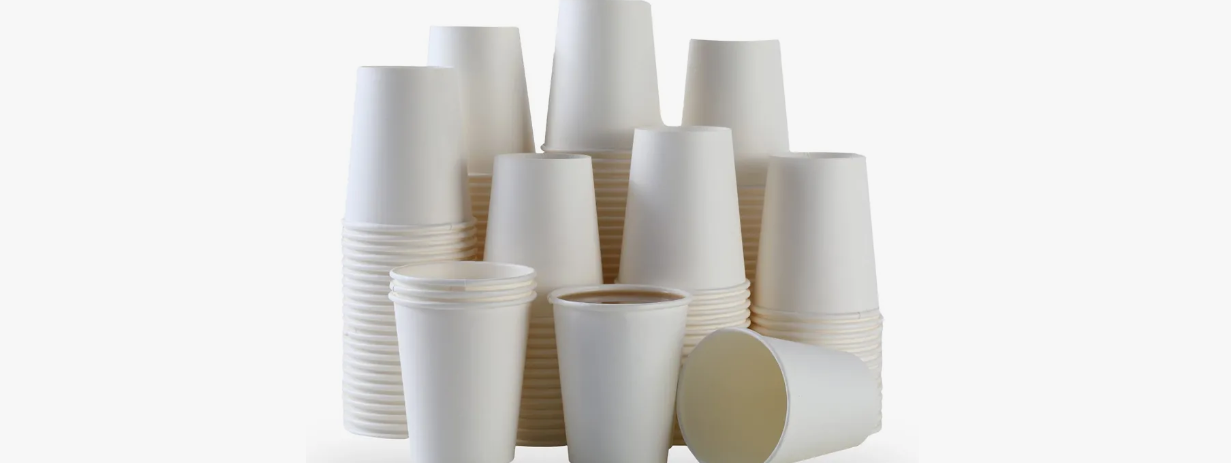
Paper cups are widely used for serving hot beverages such as coffee, tea, and hot chocolate. Many consumers assume that paper cups are completely safe because they appear natural and eco-friendly. However, questions often arise about whether hot liquids can cause harmful substances to leach from paper cups. In this article, we will explore the safety of using paper cups for hot drinks and explain what you need to know to protect your health.
What Materials Are Used in Hot Drink Paper Cups?
Although paper cups look simple, they are made from multiple layers of materials. The outer structure is usually made from food-grade paperboard derived from wood pulp. To prevent leaks and improve heat resistance, manufacturers apply a thin inner coating. This coating is most commonly made from polyethylene (PE) plastic or plant-based materials such as PLA.
The purpose of this lining is to create a waterproof barrier and protect the paper from breaking down when in contact with hot liquids. Without this layer, paper cups would quickly absorb moisture and lose their shape.
Do Paper Cups Release Harmful Chemicals When Heated?
High-quality food-grade paper cups are designed to meet safety standards and are tested for contact with hot beverages. When produced by reputable manufacturers, these cups are generally safe for normal use. However, potential risks can arise when low-quality cups are used or when cups are exposed to extreme temperatures.
Some concerns involve the release of microplastics or trace chemicals from the plastic lining when hot liquids are poured into the cup. While the amount released is usually very small and within regulatory limits, repeated exposure over time may raise health concerns for some consumers.
What Is BPA and Does It Exist in Paper Cups?
Bisphenol A (BPA) is a chemical often associated with plastic products and food packaging. Many modern paper cups are labeled as BPA-free, meaning they do not contain this substance. However, not all disposable cups clearly state this information.
Choosing BPA-free paper cups from trusted brands can significantly reduce potential chemical exposure. Always look for certifications or food safety labels on packaging.
How Does Temperature Affect Paper Cup Safety?
Hot drinks typically range from 60°C to 90°C (140°F to 194°F). Most paper cups are designed to handle these temperatures without breaking down. However, extremely hot liquids, such as freshly boiled water, may increase the risk of chemical migration from the lining.
In addition, prolonged contact between hot beverages and paper cups may increase the chance of small amounts of coating materials entering the drink. This is why it is generally recommended to avoid storing hot drinks in disposable paper cups for extended periods.
Are Double-Wall Paper Cups Safer?
Double-wall paper cups are designed with an extra layer of insulation. This structure reduces heat transfer to the outer surface and makes the cup more comfortable to hold. While double-wall cups do not necessarily change the chemical composition of the inner lining, they help maintain temperature stability and reduce direct heat stress on the cup material.
As a result, double-wall paper cups may offer slightly better performance and safety for very hot beverages, especially in commercial settings such as coffee shops.
What About Ink and Printing on Paper Cups?
Another potential concern is the ink used to print logos and designs on paper cups. High-quality manufacturers use food-safe, water-based inks that do not release toxic substances. However, low-cost or poorly regulated products may use inferior printing materials.
To minimize risk, choose cups from suppliers that follow international food contact safety standards and avoid cups with strong chemical odors or poorly printed surfaces.
Are Compostable Paper Cups Safe for Hot Drinks?
Compostable paper cups are becoming increasingly popular due to their environmental benefits. These cups often use plant-based coatings such as PLA instead of traditional plastic. In general, compostable cups are safe for hot drinks when used within their recommended temperature range.
However, not all compostable cups are designed for very high temperatures. Some may soften or deform when exposed to extremely hot liquids. Always check product specifications to ensure suitability for hot beverages.
How Can Consumers Choose Safer Paper Cups?
To reduce potential health risks, consumers and businesses should follow these guidelines when selecting paper cups:
- Choose cups labeled as food-grade and BPA-free.
- Buy from reputable manufacturers with safety certifications.
- Avoid using damaged or poorly made cups.
- Do not pour boiling water directly into disposable paper cups.
- Avoid reheating beverages in paper cups using microwaves.
Making informed purchasing decisions can significantly improve safety and user experience.
Are There Healthier Alternatives to Paper Cups?
Reusable cups made from stainless steel, ceramic, or glass are widely considered safer options for hot beverages. These materials do not require plastic coatings and are less likely to release harmful substances when exposed to heat.
Using reusable cups not only reduces potential chemical exposure but also helps minimize environmental waste. Many cafes encourage customers to bring their own cups by offering discounts.
Industry Regulations and Safety Standards
Most countries have strict regulations governing food-contact materials, including paper cups. Manufacturers must comply with standards that limit chemical migration and ensure product safety. Certifications such as FDA compliance in the United States or EU food contact regulations help ensure quality control.
However, imported or low-cost products may not always meet these standards. This highlights the importance of purchasing from reliable suppliers.
So, are paper cups safe for hot drinks? In general, high-quality food-grade paper cups are safe for everyday use when used correctly. However, they are not completely risk-free. Factors such as temperature, material quality, and usage time can influence safety.
To minimize potential health concerns, consumers should avoid extreme heat exposure, choose certified products, and consider switching to reusable cups whenever possible. By making smarter choices, you can enjoy your hot beverages while protecting both your health and the environment.
Why Do Coffee Shops Use Paper Cups? What Are the Reasons Behind This?
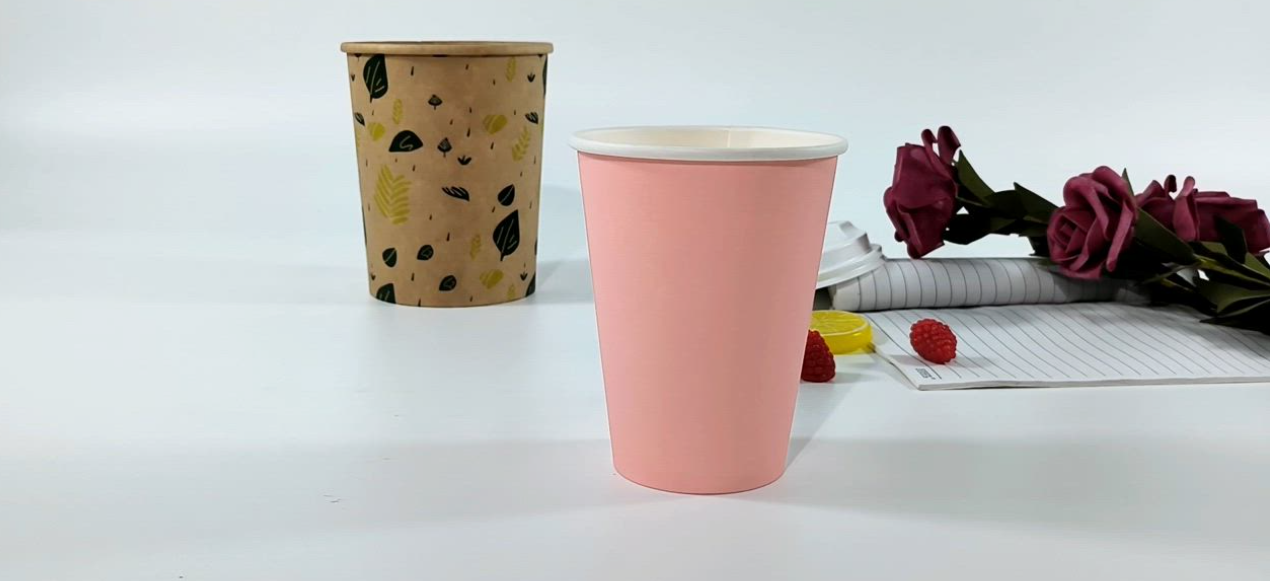
Walk into almost any coffee shop around the world, and you will notice that most drinks are served in paper cups. This practice has become an industry standard, especially for takeaway orders. But why do coffee shops rely so heavily on paper cups instead of reusable alternatives? The answer involves a combination of convenience, hygiene, branding, cost efficiency, and customer expectations. In this article, we will explore the main reasons behind this widespread choice.
Convenience and Speed of Service
One of the biggest reasons coffee shops use paper cups is convenience. Disposable paper cups allow staff to serve customers quickly without worrying about washing and drying reusable cups. During peak hours, such as morning rush times, speed is critical for maintaining smooth operations and customer satisfaction.
Paper cups also make takeaway service easier. Customers can grab their drinks and leave immediately, which is essential for busy urban lifestyles. This convenience helps coffee shops handle large volumes of orders efficiently.
Improved Hygiene and Food Safety
Hygiene is a major concern in the food and beverage industry. Disposable paper cups reduce the risk of cross-contamination because each customer receives a new, unused cup. Unlike reusable cups, which require thorough cleaning and sanitizing, paper cups eliminate potential hygiene issues caused by improper washing.
This is especially important in high-traffic coffee shops where maintaining strict cleanliness standards can be challenging. Using disposable cups helps businesses meet food safety regulations more easily.
Lower Operational Costs
Although paper cups require continuous purchasing, they can actually reduce operational costs in many situations. Reusable cups require investments in dishwashers, water, electricity, detergents, and labor. These ongoing expenses can add up quickly.
Paper cups, on the other hand, simplify operations. Coffee shops do not need to allocate staff time for washing cups, which can reduce labor costs and improve workflow efficiency.
Branding and Marketing Opportunities
Paper cups serve as mobile advertisements for coffee shops. Many businesses print their logos, slogans, and social media handles directly on the cups. When customers carry their drinks on the street or post photos online, the brand gains additional exposure.
Customized paper cups help create a consistent brand image and enhance customer recognition. This visual marketing strategy is especially popular among chain coffee shops and independent cafes looking to build brand identity.
Customer Preferences and Lifestyle Trends
Modern consumers often prefer takeaway options due to busy schedules and on-the-go lifestyles. Paper cups support this trend by offering lightweight, portable, and disposable packaging.
Customers also appreciate the convenience of not having to return cups or worry about carrying reusable containers. This flexibility makes paper cups more appealing for spontaneous coffee purchases.
Heat Insulation and User Comfort
Many paper cups are designed with insulation features such as double-wall structures or corrugated sleeves. These designs help protect customers from hot surfaces and improve comfort when holding hot beverages.
Compared to thin plastic cups, paper cups offer better heat resistance and a more comfortable grip, making them more suitable for hot drinks like coffee and tea.
Compliance With Industry Standards
Coffee shops must comply with food safety and packaging regulations. Food-grade paper cups are designed to meet these requirements and are widely accepted by health authorities. Using standardized disposable cups makes it easier for businesses to pass inspections and maintain consistent quality control.
Many suppliers also offer certified eco-friendly or compostable options, allowing coffee shops to align with sustainability policies and customer expectations.
Environmental Perception and Consumer Image
Although paper cups are not completely eco-friendly, they are often perceived as a greener alternative to plastic cups. Many customers associate paper packaging with sustainability and environmental responsibility.
By using paper cups made from responsibly sourced materials or labeled as compostable, coffee shops can improve their public image and demonstrate environmental awareness.
Flexibility for Events and Promotions
Paper cups provide flexibility for seasonal promotions and special events. Coffee shops can easily customize cup designs for holidays, limited-time campaigns, or collaborations. This flexibility allows businesses to refresh their marketing strategy without major investments.
Special edition cups can also create excitement and encourage social media sharing, further boosting brand visibility.
Challenges and Limitations of Paper Cups
Despite their advantages, paper cups also have drawbacks. They contribute to waste generation and recycling challenges due to plastic linings. Some environmentally conscious customers prefer reusable cups and criticize single-use packaging.
As sustainability becomes a bigger priority, many coffee shops are exploring alternatives such as cup return programs, discounts for reusable cups, and fully recyclable cup designs.
Coffee shops use paper cups for a variety of practical and strategic reasons, including convenience, hygiene, cost efficiency, branding opportunities, and customer preferences. While paper cups are not a perfect solution from an environmental perspective, they remain a highly functional option for busy coffee businesses.
As technology and consumer awareness continue to evolve, the future of coffee cup packaging is likely to shift toward more sustainable solutions. Until then, paper cups will continue to play a central role in the coffee shop industry due to their unmatched convenience and versatility.
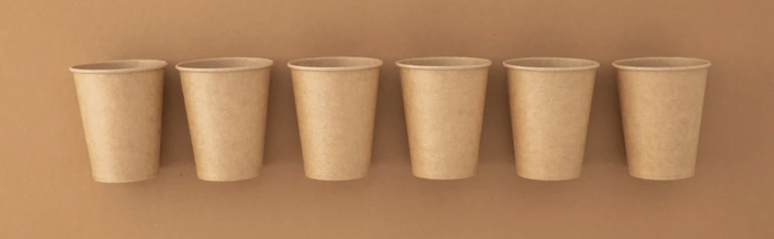
Which Is Better, Double-Walled or Single-Walled Paper Cups? How Should You Choose?
When choosing paper cups for coffee shops, offices, events, or home use, one of the most common questions is whether double-walled or single-walled paper cups are better. Each type has its own advantages and ideal use scenarios. Understanding the differences can help you make smarter decisions that balance cost, comfort, performance, and sustainability. In this article, we will explore the key factors to consider and help you choose the right option.
What Are Single-Walled Paper Cups?
Single-walled paper cups are made from one layer of paperboard with an inner coating that prevents liquid leakage. These cups are lightweight, cost-effective, and widely used for both hot and cold beverages.
Because they have only one layer of insulation, single-walled cups can become hot to the touch when filled with hot drinks. To improve user comfort, many businesses use cardboard sleeves or cup holders along with single-walled cups.
What Are Double-Walled Paper Cups?
Double-walled paper cups consist of two layers of paper with an air gap or insulating layer in between. This design provides better heat insulation and makes the cup more comfortable to hold without additional sleeves.
Double-walled cups are commonly used in premium coffee shops and takeaway beverage services where customer experience and comfort are a priority.
Key Differences Between Double-Walled and Single-Walled Paper Cups
The main differences between these two types of cups involve insulation performance, cost, environmental impact, and usability. The table below highlights the most important comparisons:
| Feature | Single-Walled Paper Cups | Double-Walled Paper Cups |
| Insulation | Low insulation, may feel hot when holding | High insulation, comfortable for hot drinks |
| Cost | Lower cost per unit | Higher cost due to extra material |
| Need for Sleeve | Often required for hot beverages | No sleeve usually needed |
| Weight | Lighter and easier to stack | Slightly heavier and thicker |
| Customer Experience | Basic and functional | More premium and comfortable |
| Environmental Impact | Uses less material | Uses more paper resources |
Which Type Is Better for Hot Drinks?
For hot beverages such as coffee, tea, and hot chocolate, double-walled paper cups are generally the better choice. The added insulation helps maintain drink temperature while protecting customers from heat burns.
Single-walled cups can still be used for hot drinks, but they usually require an additional sleeve. This adds extra cost and material usage, which may reduce their overall efficiency.
Which Type Is Better for Cold Drinks?
For cold beverages such as iced coffee, smoothies, and soft drinks, single-walled paper cups are often sufficient. Cold drinks do not require thermal insulation, and using double-walled cups in these cases may be unnecessary.
Single-walled cups are lighter, cheaper, and easier to store, making them ideal for high-volume cold drink service.
Cost Considerations for Businesses
Cost is an important factor for coffee shops and food service businesses. Single-walled cups are more affordable and suitable for large-scale operations with tight budgets. They are especially popular for self-service stations and office environments.
Double-walled cups cost more but may reduce the need for cup sleeves and improve customer satisfaction. For premium brands, the higher cost can be justified by better presentation and improved user comfort.
Environmental Impact and Sustainability
From an environmental perspective, single-walled cups use less raw material and generate less waste per unit. However, when sleeves are added, the total material usage can increase.
Double-walled cups use more paper, but they eliminate the need for separate sleeves. Some manufacturers now offer recyclable or compostable versions of both cup types to reduce environmental impact.
Choosing certified sustainable paper cups and encouraging reusable cup programs can further improve eco-friendliness.
Storage and Transportation Factors
Single-walled cups are thinner and easier to stack, which saves storage space and reduces transportation costs. This can be beneficial for businesses with limited storage areas.
Double-walled cups take up more space due to their thicker structure. However, their durability makes them more resistant to deformation during transport.
How Should You Choose the Right Paper Cup?
To choose between double-walled and single-walled paper cups, consider the following factors:
- Type of beverages you serve (hot or cold)
- Customer comfort expectations
- Budget and cost control needs
- Brand positioning and presentation goals
- Environmental sustainability strategy
For takeaway coffee shops focused on hot drinks and premium service, double-walled cups are usually the best option. For large-scale events, offices, or cold beverage service, single-walled cups may be more practical and cost-effective.
There is no one-size-fits-all answer to whether double-walled or single-walled paper cups are better. Each type serves different purposes and offers unique advantages. Double-walled cups provide better insulation and comfort, while single-walled cups offer affordability and simplicity.
By understanding your specific needs and usage scenarios, you can choose the right paper cup solution that balances performance, cost, and sustainability. Making informed decisions not only improves customer experience but also supports more responsible consumption practices.
Do Customized Logo Paper Cups Really Increase Brand Exposure?
Customized logo paper cups have become a popular marketing tool for coffee shops, restaurants, event organizers, and corporate brands. From takeaway coffee cups to promotional beverage containers, businesses use branded cups to display their logos, slogans, and social media handles. But do customized paper cups truly increase brand exposure? The answer is yes, and the reasons go far beyond simple visual appeal. In this article, we will explore how logo paper cups work as a powerful branding and marketing tool.
Paper Cups as Mobile Advertisements
One of the biggest advantages of customized paper cups is their ability to function as mobile advertisements. When customers carry branded cups on the street, in offices, or on public transportation, your logo becomes visible to many potential customers.
Unlike traditional advertising, which requires ongoing payments for media space, branded paper cups provide repeated exposure at a relatively low cost. Each cup can be seen by dozens of people throughout the day, creating continuous brand impressions.

Strengthening Brand Recognition
Consistent visual branding helps customers remember your business. When your logo, colors, and design appear on every cup, they reinforce your brand identity. Over time, customers begin to associate your brand with their daily routines, such as morning coffee or lunch breaks.
This repeated exposure builds familiarity and trust, which are key factors in customer loyalty. A recognizable cup design can even become a signature element of your brand.
Enhancing Customer Experience and Perceived Value
Customized cups do more than promote your logo. They also improve the overall customer experience. Well-designed cups create a more professional and premium impression compared to plain, unbranded cups.
When customers receive a drink in a visually appealing cup, they often perceive the product as higher quality. This emotional connection can influence purchasing decisions and increase customer satisfaction.
Boosting Social Media Visibility
In the age of social media, visually attractive packaging plays an important role in online marketing. Customers frequently share photos of their drinks on platforms such as Instagram, TikTok, and Facebook. A customized cup with a unique design or catchy slogan increases the likelihood that your brand will appear in user-generated content.
This organic exposure can reach thousands of potential customers without additional advertising costs. In many cases, a well-designed cup can become part of a viral trend.
Cost-Effective Marketing Strategy
Compared to traditional advertising channels such as billboards, online ads, or print media, customized paper cups offer a cost-effective way to promote your brand. The cost per impression is relatively low because the cups serve a dual purpose: packaging and marketing.
Businesses already need cups for serving beverages, so adding branding does not significantly increase overall expenses. This makes customized cups an efficient investment for small and medium-sized businesses.
Improving Brand Professionalism and Credibility
Using customized paper cups can improve your brand’s professional image. Customers often associate branded packaging with established and trustworthy businesses. A clean, well-printed logo design communicates attention to detail and quality standards.
This perception of professionalism can be especially important for new businesses trying to build credibility in competitive markets.
Targeted Local Marketing Benefits
For local coffee shops and restaurants, branded paper cups are particularly effective for community-based marketing. When customers walk around the neighborhood with your cup, nearby residents become aware of your brand.
This localized exposure helps attract nearby customers and strengthens your presence in the local market. It also encourages word-of-mouth promotion, which remains one of the most powerful marketing methods.
Customization Options and Design Strategies
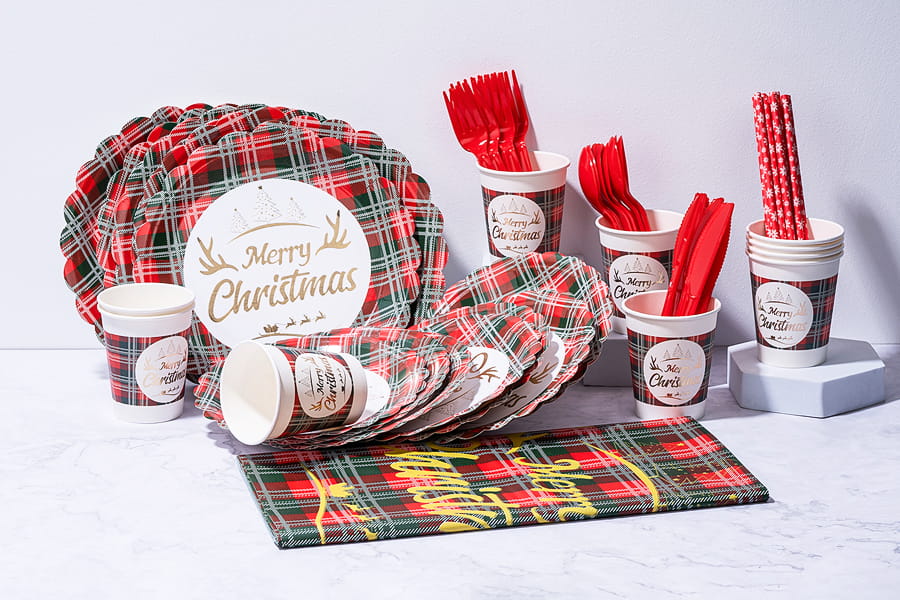
Modern printing technology allows businesses to customize paper cups in many ways. Options include full-color printing, seasonal designs, limited-edition artwork, and promotional messages. Creative design strategies can make your cups stand out and attract attention.
Including QR codes, website links, or social media handles on cups can further enhance engagement and drive online traffic.
Potential Challenges of Branded Paper Cups
Despite their benefits, customized paper cups also come with some challenges. Poor design quality or low-resolution printing can negatively affect brand image. Additionally, overloading cups with too much information can reduce visual impact.
Environmental concerns are another consideration. Customers may question the sustainability of single-use branded packaging. Choosing eco-friendly materials and communicating sustainability efforts on the cup design can help address these concerns.
How to Maximize Brand Exposure With Customized Cups
To get the most value from branded paper cups, businesses should follow these best practices:
- Use simple, clear, and visually appealing designs.
- Maintain consistent brand colors and logos.
- Choose high-quality printing and materials.
- Add social media handles or QR codes for engagement.
- Consider seasonal or promotional cup designs.
Strategic design and quality control can significantly increase the marketing impact of customized cups.
Customized logo paper cups are more than just beverage containers. They are powerful marketing tools that increase brand exposure, strengthen customer recognition, and enhance overall brand image. By turning everyday packaging into a mobile advertisement, businesses can reach wider audiences at a relatively low cost.
When combined with good design, quality materials, and sustainable practices, customized paper cups can become an effective part of a long-term branding strategy. For businesses looking to improve visibility and customer engagement, investing in branded paper cups is a smart and practical choice.