English
 中文简体
中文简体What are the healthiest paper plates to use?
Content
- 1 The Short Answer: Which Paper Plates Are the Healthiest?
- 2 Why the Material of Paper Plates Matters for Your Health
- 3 Coatings and Chemical Treatments: What to Avoid
- 4 Certifications That Confirm a Paper Plate Is Food-Safe
- 5 Bleaching Methods: Chlorine-Free vs. Whitened Paper Plates
- 6 Paper Plates for Hot Food: Special Considerations
- 7 Printed Paper Plates: Are the Inks Safe?
- 8 Quick Comparison: Healthiest Paper Plate Types at a Glance
- 9 How to Choose the Healthiest Paper Plates for Your Needs
The Short Answer: Which Paper Plates Are the Healthiest?
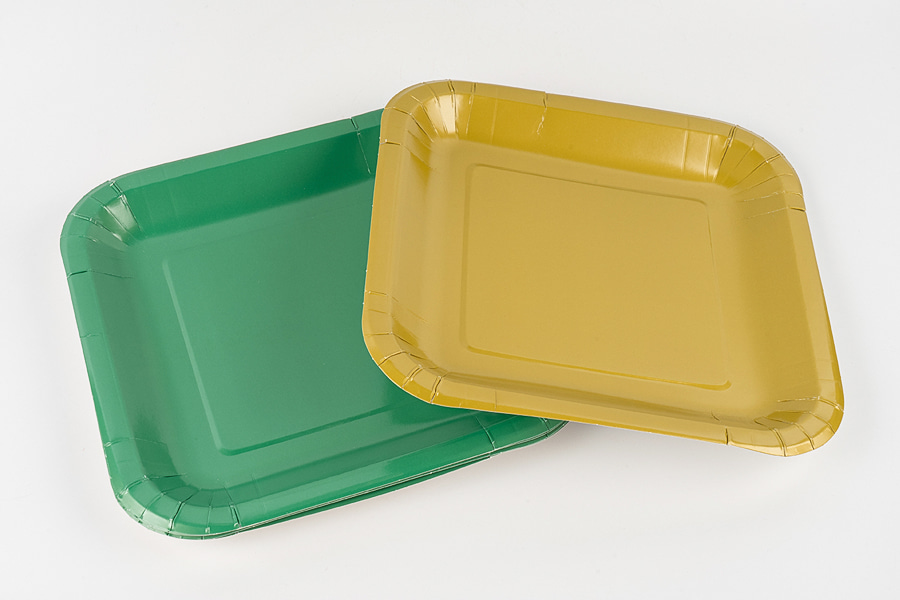
The healthiest paper plates to use are those made from unbleached, chlorine-free virgin pulp or recycled paper, with no plastic coating, no PFAS (per- and polyfluoroalkyl substances) treatment, and no fluorescent whitening agents. In practical terms, this means looking for paper plates that carry certifications such as FDA food-contact approval, SGS testing compliance, and ideally FSC (Forest Stewardship Council) certification for responsible sourcing. Plates with a simple PE (polyethylene) lining applied at food-safe thickness are widely accepted as safe for everyday cold and warm food use, while uncoated bagasse or bamboo-fiber paper plates are the top choice for hot, greasy foods.
The key health concern with paper plates is not the paper itself but the chemical treatments, coatings, and bleaching agents that some manufacturers apply to improve water resistance or appearance. Choosing plates that avoid these additives is the single most important decision you can make.
Why the Material of Paper Plates Matters for Your Health
Not all paper plates are made the same way. The base material determines how the plate interacts with food, especially under heat or with oily dishes. There are three primary base materials used in modern paper plates:
- Virgin wood pulp paper — made from freshly processed cellulose fibers. Offers consistent strength and is easy to certify for food contact, but its environmental footprint depends heavily on whether the source forest is sustainably managed.
- Recycled paper pulp — produced from post-consumer or post-industrial paper waste. Environmentally preferable, but requires careful quality control to ensure no ink residues, heavy metals, or contaminants migrate into food. Always check for food-grade recycled certification.
- Bagasse or plant-fiber paper — derived from sugarcane fiber, bamboo, or wheat straw. These materials are naturally free of many chemical treatments and handle heat better than standard paper, making them the healthiest option for hot meals.
For everyday use with hot food, bagasse-based paper plates are consistently ranked as the safest choice because they require minimal chemical processing and are inherently grease-resistant without added coatings.
Coatings and Chemical Treatments: What to Avoid
The coating applied to a paper plate surface is where most health risks originate. Understanding what each coating contains helps you make a safer choice:
| Coating Type | Common Use | Health Concern | Recommended? |
|---|---|---|---|
| PE (Polyethylene) lining | Moisture barrier for cold/warm food | Food-safe at approved thicknesses; low migration risk below 70°C | Acceptable |
| PFAS / fluorochemical coating | Grease and oil resistance | Linked to endocrine disruption; persistent in environment and body | Avoid |
| Wax coating | Moisture resistance | Can melt into food above 49°C; paraffin wax is petroleum-derived | Avoid for hot food |
| No coating (uncoated) | Dry food only | No chemical migration risk; suitable for sandwiches, pastries | Best for dry food |
| PLA (polylactic acid) lining | Compostable moisture barrier | Plant-based, no known toxic migration; compostable in industrial facilities | Good choice |
PFAS coatings — sometimes called "forever chemicals" — are the most serious concern. They do not break down in the body or environment and have been associated with thyroid disruption and immune system effects in long-term exposure studies. Always confirm that paper plates are explicitly labeled PFAS-free before purchase, especially for use with greasy or hot foods.
Certifications That Confirm a Paper Plate Is Food-Safe
Health-conscious buyers should look for specific third-party certifications rather than relying solely on marketing language. The most reliable certifications for paper plates include:
- FDA food-contact compliance — confirms that materials used in the plate meet U.S. regulations for substances that may contact food.
- EU food contact material (FCM) compliance — European Regulation (EC) No 1935/2004 sets strict limits on chemical migration from food-contact materials, including paper products.
- SGS or Intertek testing reports — independent laboratory verification of heavy metal content, migration levels, and chemical safety.
- FSC certification — verifies that the wood pulp or fiber used comes from responsibly managed forests, relevant for long-term environmental and personal health considerations.
- ASTM D6868 or EN 13432 — standards for compostability, confirming the plate breaks down without releasing harmful residues.
When sourcing paper plates in bulk — for catering, events, or foodservice — requesting SGS test reports from the supplier is the most direct way to verify chemical safety claims beyond printed labels.
Bleaching Methods: Chlorine-Free vs. Whitened Paper Plates
The bright white appearance of many paper plates is achieved through bleaching, and the method used directly affects health safety. There are two main approaches:
Elemental Chlorine-Free (ECF) Bleaching
ECF processes replace molecular chlorine with chlorine dioxide, significantly reducing the formation of dioxins and organochlorine compounds. ECF-bleached paper plates are the most common food-safe option in mainstream production and are considered acceptable by FDA and EU food-contact standards.
Totally Chlorine-Free (TCF) Bleaching
TCF processes use oxygen, ozone, or hydrogen peroxide instead of any chlorine compound. This is the most health-forward option, producing paper with virtually no chlorinated byproducts. TCF paper plates are often slightly off-white or cream in color — a useful visual signal that no optical whitening agents (OBAs) have been added.
Avoid plates that use fluorescent whitening agents (FWAs), sometimes called optical brighteners. These chemicals make paper appear whiter under UV light and have shown potential to migrate into food, particularly with moist or acidic dishes. If a paper plate looks unnaturally bright white, it may contain FWAs — a detail worth confirming with the supplier.
Paper Plates for Hot Food: Special Considerations
Heat accelerates chemical migration from any coating or treatment into food. If you regularly serve hot meals on paper plates, the following points are especially important:
- Choose bagasse or bamboo-fiber paper plates — their natural fiber structure handles temperatures up to 120°C without coating breakdown.
- Avoid PE-lined plates for microwave use — standard PE coatings are not rated for microwave temperatures and may soften or migrate above 70–80°C.
- Look for plates explicitly labeled "microwave-safe" — this designation requires specific testing and means the plate has been validated for higher heat exposure.
- Never use wax-coated paper plates with hot food — paraffin and food-grade wax begin to soften at around 49°C, and the wax can transfer directly to warm dishes.
- For oily hot foods like fried chicken or pizza, an uncoated bagasse plate is the healthiest option — the dense plant fiber naturally resists grease penetration for typical meal durations without any synthetic barrier.
Printed Paper Plates: Are the Inks Safe?
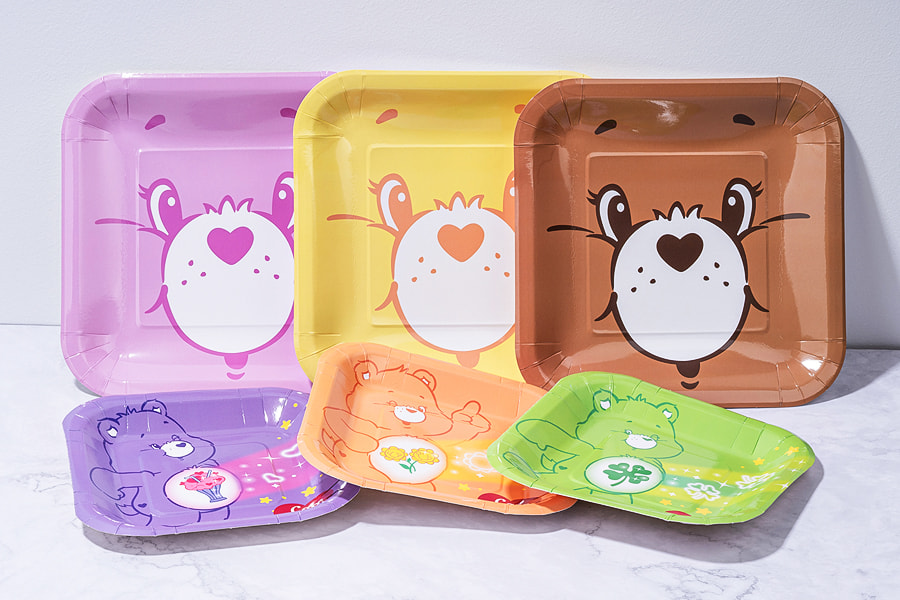
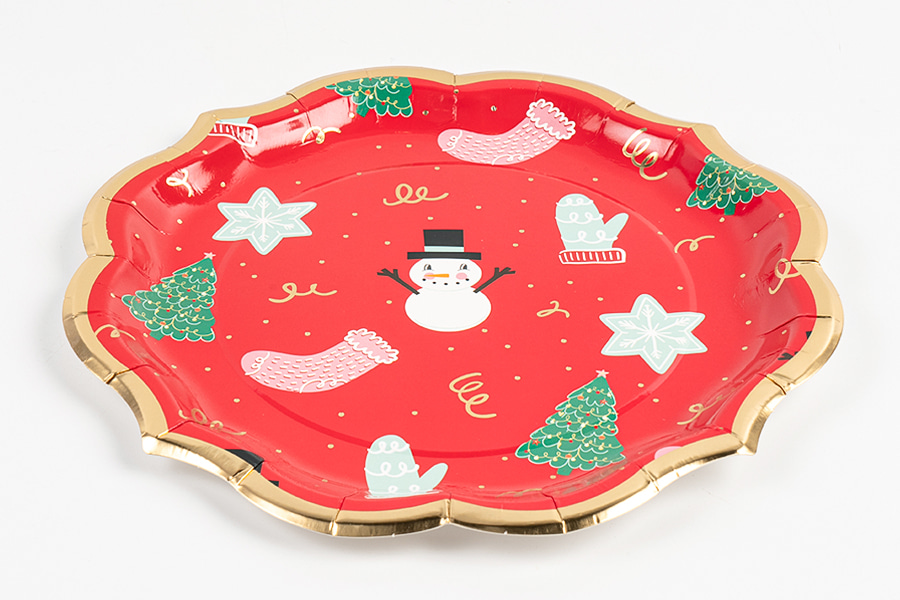
Decorative paper plates — popular for parties and events — introduce an additional variable: printing inks. Most responsible manufacturers use food-safe water-based inks that comply with printing ink regulations and do not contact the food surface directly, since printing is applied to the exterior or underside of the plate.
However, certain concerns apply:
- Plates where ink is printed on the interior food-contact surface should be avoided unless the supplier provides explicit food-safe ink certification.
- Solvent-based inks contain volatile organic compounds (VOCs) that can off-gas, especially when heated. Water-based inks do not carry this risk.
- For young children's tableware, choosing plain unprinted paper plates removes any ink migration concern entirely.
When ordering custom-printed paper plates for commercial use, request confirmation that inks meet EU Regulation EuPIA Good Manufacturing Practice or equivalent standards for food-packaging printing.
Quick Comparison: Healthiest Paper Plate Types at a Glance
| Plate Type | Best For | Chemical Risk Level | Compostable? |
|---|---|---|---|
| Uncoated bagasse / sugarcane | Hot, oily, moist food | Very Low | Yes |
| Bamboo fiber, uncoated | Hot meals, outdoor events | Very Low | Yes |
| TCF-bleached paper, PLA-lined | Warm and cold food | Low | Yes (industrial) |
| ECF-bleached paper, PE-lined | Cold and warm food | Low–Moderate | No |
| Standard white paper, wax-coated | Cold/dry food only | Moderate (heat) | No |
| PFAS-treated paper | Not recommended | High | No |
How to Choose the Healthiest Paper Plates for Your Needs
Selecting the right paper plates comes down to matching the plate's material and coating to your specific use case. Here is a practical decision framework:
- For everyday family meals with hot food: Choose uncoated bagasse or bamboo paper plates. These are the safest and most heat-tolerant option without any synthetic coating.
- For cold buffets, salads, or sandwiches: TCF-bleached uncoated paper plates or lightly PE-lined plates work well and present minimal health risk.
- For children's parties: Select unprinted or water-based ink printed plates from suppliers who can confirm PFAS-free and FWA-free production.
- For foodservice or catering at scale: Require SGS or Intertek food-contact test reports from your supplier, and verify FDA or EU FCM compliance documentation before placing bulk orders.
- For eco-conscious use: Look for FSC-certified fiber source combined with compostable PLA lining or uncoated bagasse — this combination minimizes both health risk and environmental impact.
The healthiest paper plates share a consistent set of features: no PFAS treatment, no fluorescent whitening agents, chlorine-free bleaching, and food-contact certification from a recognized authority. Prioritizing these four factors over price or visual whiteness will reliably lead you to the safest options available on the market today.