English
 中文简体
中文简体Disposable Paper Napkin vs Cloth Napkin: Which Is Better?
Content
- 1 The Core Difference: What Each Napkin Type Actually Offers
- 2 Hygiene: Why Single-Use Matters More Than You Think
- 3 The Environmental Reality: Paper Napkins Are Not the Problem
- 4 What Makes a High-Quality Disposable Dinner Napkin
- 5 Performance Comparison: Paper Napkin Quality Attributes at a Glance
- 6 When to Choose Each: A Practical Decision Guide
- 7 Restaurant Paper Napkins: Usage Trends and Market Adoption
- 8 Customization: Turning Paper Napkins Into a Brand Asset
- 9 About Ningbo Fenghua Yongfa Printing & Stationery Co., Ltd.
- 10 Frequently Asked Questions
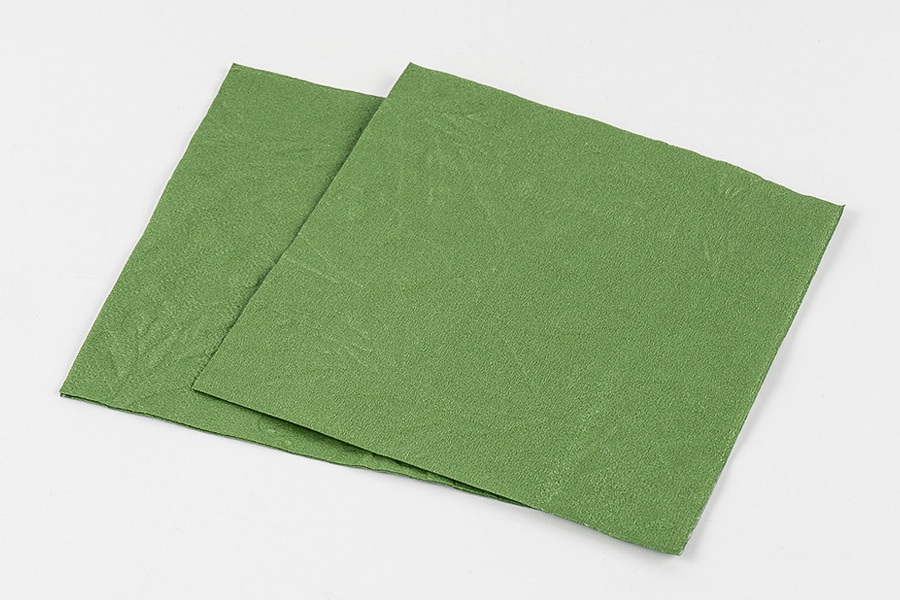
For most everyday settings — restaurants, catered events, households, and food service — disposable paper napkins are the more practical, hygienic, and cost-efficient choice. Cloth napkins carry a perception of elegance, but when measured against real-world factors like hygiene, convenience, environmental footprint, and operational cost, disposable dinner napkins consistently outperform in the majority of use cases. This article breaks down the comparison with data, and helps you make the right decision for your specific context.
The Core Difference: What Each Napkin Type Actually Offers
The debate between paper napkins and cloth napkins is not simply about preference — it involves hygiene standards, operational logistics, environmental impact, and user experience. Understanding each type's core characteristics is the starting point.
| Factor | Disposable Paper Napkin | Cloth Napkin |
|---|---|---|
| Hygiene | Single-use, no cross-contamination | Requires laundering between uses |
| Convenience | Ready to use, no preparation | Wash, dry, iron, fold required |
| Softness | High (virgin wood pulp or bamboo pulp) | Varies by fabric and wash history |
| Absorbency | Good to excellent (embossed layers) | Good, degrades with washing |
| Environmental Impact | Biodegradable; eco-friendly options available | Water and energy intensive to launder |
| Customization | Print, emboss, hot stamp, cut to shape | Limited embroidery options |
| Best Suited For | Restaurants, events, daily household use | Formal dining, special occasions |
Hygiene: Why Single-Use Matters More Than You Think
In food service and healthcare settings, hygiene is non-negotiable. A disposable paper napkin is used once and discarded — eliminating any risk of bacterial transfer between users. Cloth napkins, even after industrial laundering, can retain trace contaminants if wash cycles are inadequate or if storage conditions are poor.
Studies in food service hygiene have found that improperly laundered cloth napkins can harbor bacteria including E. coli and Staphylococcus aureus at levels above safe thresholds. Restaurant paper napkins eliminate this risk entirely by design. For high-turnover establishments serving hundreds of covers per day, the hygienic reliability of single-use tissue is a genuine operational advantage — not just a matter of convenience.
This is why disposable dinner napkins have become the standard in quick-service restaurants, cafes, airlines, hospitals, and institutional catering worldwide.
The Environmental Reality: Paper Napkins Are Not the Problem
A common assumption is that cloth napkins are inherently more eco-friendly. The reality is more nuanced. A lifecycle analysis comparing a single cloth napkin reused 100 times against eco-friendly paper napkins must account for:
- Water consumption: Washing and rinsing a cloth napkin uses approximately 7–10 liters of water per cycle. Over 100 washes, that equals 700–1,000 liters per napkin.
- Energy for laundering and drying: Including hot water heating, dryer energy, and ironing, the carbon footprint per wash can exceed that of manufacturing a paper napkin.
- Detergent chemicals: Surfactants and brightening agents in laundry products contribute to waterway pollution.
- Biodegradability: Soft paper tissue napkins made from virgin wood pulp or bamboo pulp decompose naturally within weeks. Polyester-blend cloth napkins can take decades.
When sourced from responsibly managed forests (PEFC certified) or made from bamboo pulp, eco-friendly paper napkins represent a genuinely sustainable choice — especially when used efficiently. The key is responsible sourcing and appropriate use, not a blanket avoidance of paper products.
What Makes a High-Quality Disposable Dinner Napkin
Not all disposable dinner napkins perform equally. The difference between a premium product and a low-quality one is measurable. Here are the attributes that define quality in soft paper tissue napkins:
Raw Material Quality
Virgin wood pulp and bamboo pulp are the gold standards. Virgin pulp fibers are longer and more uniform, producing napkins that are softer, stronger, and less prone to linting. Recycled-fiber napkins are more sustainable but typically offer lower softness and wet strength.
Embossing Technology
Embossing increases the inter-layer air space in multi-ply napkins, making the product more fluffy, softer to touch, and more absorbent. Geometric, floral, and custom embossed patterns also serve a visual function — elevating table presentation for restaurants and events. A well-embossed dinner paper napkin absorbs up to 30% more liquid than a flat, unembossed equivalent of the same weight.
Ply Count and Basis Weight
Standard restaurant paper napkins are typically 1-ply (for luncheon/dispenser use) or 2-ply (for dinner service). Premium versions may use 3-ply construction. Basis weight (gsm) directly correlates with thickness and durability — a quality dinner napkin typically ranges from 30–45 gsm per ply.
Hot Stamping and Custom Printing
For events, hospitality businesses, and corporate gifting, paper napkins can be customized with hot-stamped logos, CMYK full-color printing, and unique die-cut shapes. This transforms a functional consumable into a branded touchpoint — reinforcing identity at every table setting.
Performance Comparison: Paper Napkin Quality Attributes at a Glance
When to Choose Each: A Practical Decision Guide
Context determines the right choice. Here is a straightforward guide:
Choose Disposable Paper Napkins When:
- Running a restaurant, cafe, or food stall where turnover is high and hygiene is paramount
- Hosting parties, picnics, or outdoor events where setup and cleanup speed matters
- Providing branded napkins for corporate events, product launches, or weddings
- Operating in any environment where cross-contamination risk must be eliminated (healthcare, children's settings)
- Requiring eco-friendly paper napkin options made from certified sustainable or bamboo pulp
Choose Cloth Napkins When:
- Operating a fine dining restaurant where traditional table setting aesthetics are part of the brand positioning
- Hosting a formal dinner party at home with a small guest count
- In situations where the symbolism of reuse aligns with the event theme and laundering infrastructure is reliably available
Restaurant Paper Napkins: Usage Trends and Market Adoption
The global tissue and hygiene paper market was valued at over USD 80 billion in recent years and continues to grow, driven by demand from the food service sector, rising hygiene awareness, and the expansion of quick-service restaurant formats worldwide. Restaurant paper napkins account for a substantial portion of this demand.
The adoption curve reflects growing hygiene awareness post-2020, combined with the operational flexibility that disposable dinner napkins offer compared to cloth alternatives. The trend is consistent across quick-service, fast-casual, and institutional food service categories.
Customization: Turning Paper Napkins Into a Brand Asset
One of the most underutilized advantages of paper napkins is their customization potential. With modern CMYK printing, hot stamping, embossing, and die-cutting capabilities, a disposable paper napkin can carry:
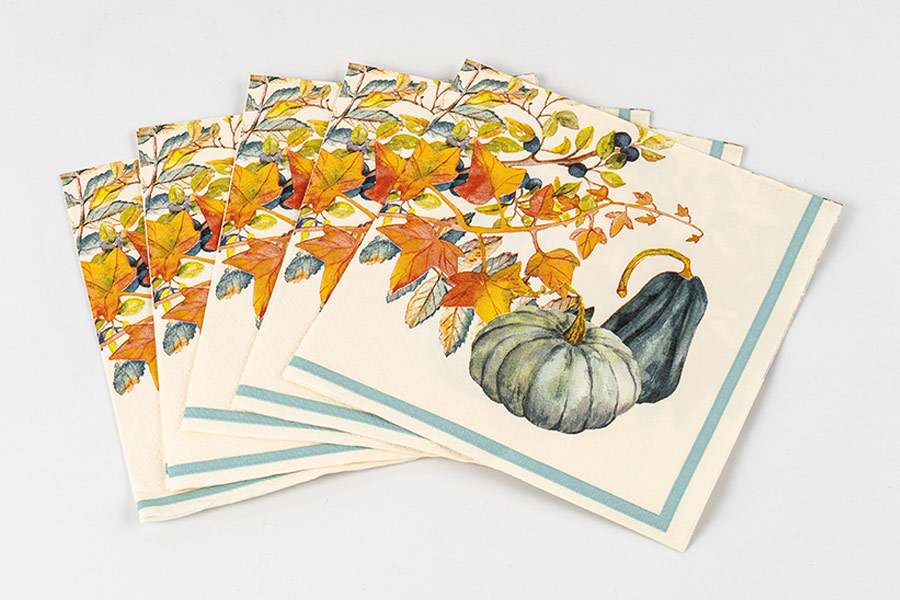
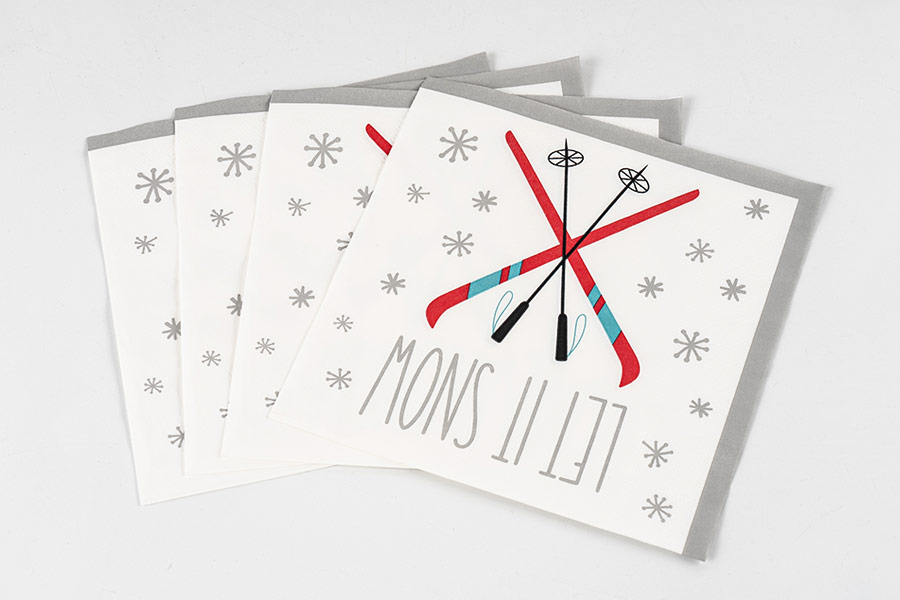
- Full-color printed logos and artwork — ideal for restaurant branding, seasonal promotions, or event themes
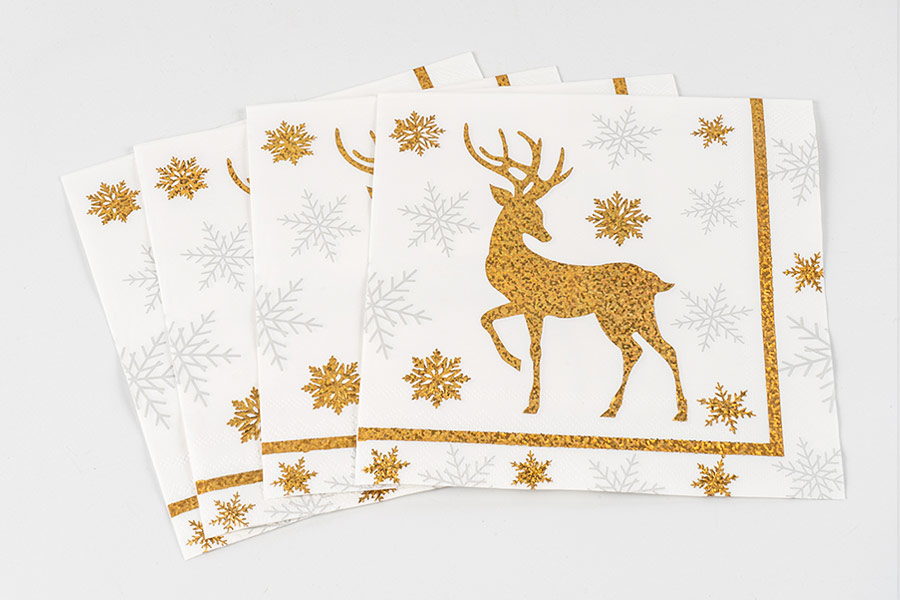
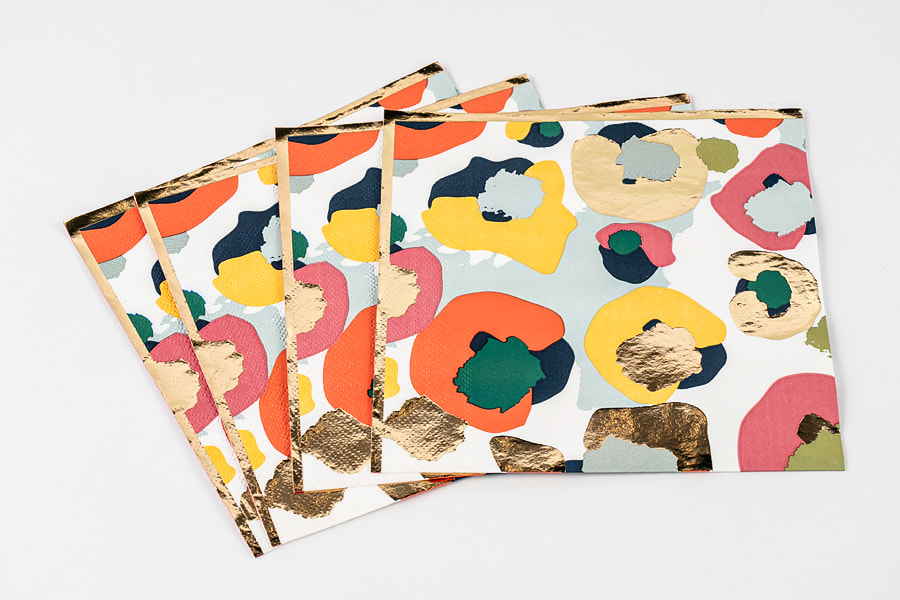
- Hot-stamped metallic finishes — gold or silver foil stamping adds a premium feel for weddings, galas, and corporate events
- Custom embossed patterns — geometric or floral textures that enhance tactile quality and brand identity simultaneously
- Non-standard shapes — circular, scalloped, or die-cut outlines that make the napkin itself a memorable design element
For businesses, this transforms a dinner paper napkin from a commodity consumable into a consistent brand impression delivered at every table, tray, or place setting.
About Ningbo Fenghua Yongfa Printing & Stationery Co., Ltd.
As a basic necessity of modern life, the core function of tissue paper has expanded from basic cleaning and wiping to comprehensive hygiene protection and convenience in all aspects of daily life. Whether for facial cleansing, kitchen oil absorption, household dusting, or personal hygiene care, soft paper tissue napkins play an indispensable role in safeguarding health and cleanliness.
Ningbo Fenghua Yongfa Printing & Stationery Co., Ltd. was founded in 2003 and is located in Ningbo, Zhejiang Province, China. The company specializes in paper printing, party items, and packaging manufacturing, with a factory covering 9,000 square meters and over 100 staff members, more than 70% of whom have over 10 years of working experience.
The plant is equipped with CMYK automatic Heidelberg printing machines, die-cutting machines, corrugated machines, and paper cup and plate forming machines. Main products include paper cups, paper plates, napkin package boxes, cards, bags, and other paper items. The company has been a Gold Supplier on Alibaba since 2007, holding SGS, FDA, and EU standard certifications.
As a professional OEM disposable paper napkin manufacturer and ODM disposable paper napkin company in China, Ningbo Fenghua Yongfa offers full customization services — covering printing, embossing, hot stamping, shape customization, and packaging — to meet the needs of restaurants, event operators, retailers, and brand owners worldwide.