English
 中文简体
中文简体Best Party Plates: Paper Plate Guide for Every Event Size
Content
- 1 The Best Party Plates: A Direct Answer
- 2 What Makes a Paper Plate Strong Enough for a Party
- 3 Choosing the Right Size for Your Event
- 4 Paper Plates vs. Plastic and Foam Alternatives
- 5 Why Eco-Friendly Paper Plates Matter for Today's Events
- 6 Customization Options That Elevate a Party Table
- 7 Practical Tips for Using Paper Plates at a Party
- 8 Frequently Asked Questions
The Best Party Plates: A Direct Answer
For most parties and gatherings, sturdy, food-grade paper plates between 7 and 10 inches are the best overall choice of party plates. They hold both hot and cold food securely, cost a fraction of reusable dinnerware, require zero cleanup, and the better-made versions are commercially compostable, making them the most practical and environmentally responsible disposable option for everything from birthday parties to large outdoor festivals. The right paper plate for a party depends mainly on what food will be served and how many guests are attending, which determines the size, thickness, and coating needed to keep the plate from sagging, leaking, or tearing mid-event.
Paper plates are disposable food containers made primarily from paperboard, molded pulp, or plant fiber materials such as sugarcane bagasse, engineered to hold food while maintaining structural stability and preventing leaks. Understanding what separates a flimsy plate from a reliable one is the key to choosing party plates that actually perform at the event rather than buckling under a slice of cake or a scoop of pasta salad.
What Makes a Paper Plate Strong Enough for a Party
Not all paper plates are built the same way, and the difference shows up the moment a guest piles on food. Three structural elements determine whether a plate will hold up.
Food-Grade Pulp and Coating
Quality paper plates use food-grade virgin wood pulp or environmentally friendly composite materials, treated with a special process that gives the surface oil and water resistance. This barrier is what allows a single plate to safely hold soups, sauces, and greasy foods like pizza or fried chicken without the moisture soaking through to a guest's hand or the table.
Reinforced Edge and Bottom Design
A reinforced rim and a strengthened base are what keep a plate rigid when it is held one-handed at a buffet line or a standing cocktail party. Without this structural reinforcement, even a thick plate can flex and spill under a moderate load.
Wall Depth and Compartments
Plates intended for wetter foods or multiple dishes benefit from a slightly raised rim or built-in compartments, which keep sauces, dressings, and side dishes from running into each other on a crowded plate.
Choosing the Right Size for Your Event
Plate size should match the type of food being served and the format of the event, not just personal preference. Oversizing wastes material cost and storage space; undersizing leads to refills, mess, and frustrated guests.
| Event Type | Recommended Plate Size | Typical Use |
|---|---|---|
| Dessert table / cake station | 6–7 inch | Cake, cookies, small snacks |
| Casual house party / picnic | 8–9 inch | Sandwiches, salads, finger food |
| Buffet-style dinner / banquet | 10 inch | Full meals with multiple sides |
| Outdoor festival / food truck event | 9–10 inch with compartments | Multiple food items served together |
Paper Plates vs. Plastic and Foam Alternatives
When planning a party, hosts often weigh paper plates against plastic or foam disposable options. Each has trade-offs worth knowing before stocking up.
| Feature | Paper Plates | Plastic / Foam Plates |
|---|---|---|
| Biodegradability | Yes, many are compostable | No, persists for decades |
| Grease and Liquid Resistance | High with food-grade coating | High, but at an environmental cost |
| Microwave Safe | Generally yes, for short reheating | Foam is not microwave safe |
| Print and Brand Customization | Extensive, including foil stamping | Limited on foam, moderate on plastic |
For hosts who want a celebratory look without the environmental drawbacks of plastic or foam, eco-friendly paper plates have become the practical middle ground between disposability and sustainability.
Why Eco-Friendly Paper Plates Matter for Today's Events
Sustainability has become a real factor in party planning, not just a marketing label. The modern paper plate industry builds environmental responsibility directly into how the product is sourced and produced.
- Raw materials are sourced from sustainably managed forest resources, helping maintain ecological balance rather than depleting it.
- Biodegradable processing means a well-made paper plate breaks down naturally after disposal, unlike plastic or foam equivalents.
- Optimized production processes reduce energy consumption and the overall carbon footprint of manufacturing.
- Plant fiber alternatives such as sugarcane bagasse offer a renewable, fast-regenerating raw material option beyond traditional wood pulp.
Choosing disposables eco-friendly paper plate options for a party lets hosts skip the cleanup of reusable dinnerware while still aligning with the growing guest expectation that events minimize unnecessary plastic waste.
Customization Options That Elevate a Party Table
Party plates do more than hold food; for many events, they are part of the décor. Custom paper plates allow hosts and event brands to extend a theme straight onto the dining table.
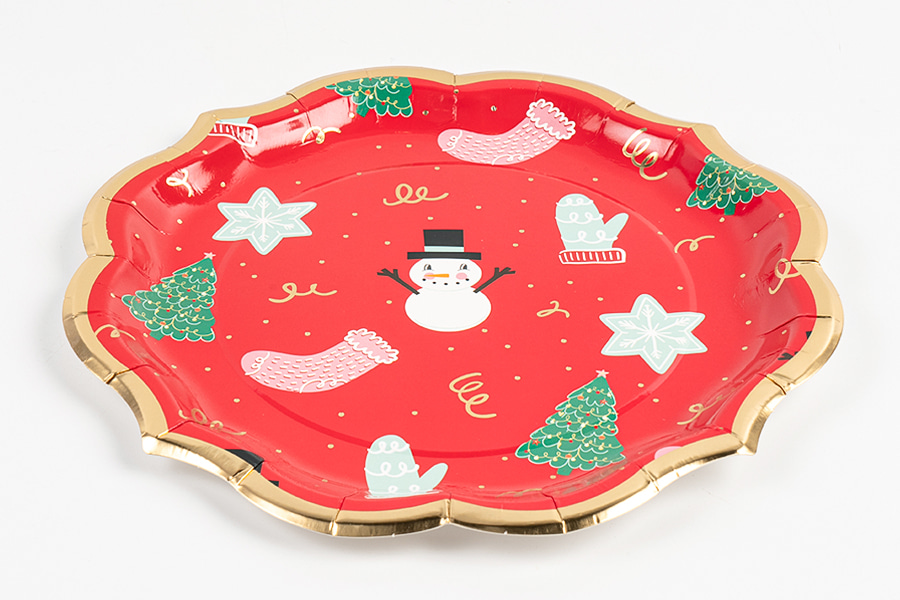
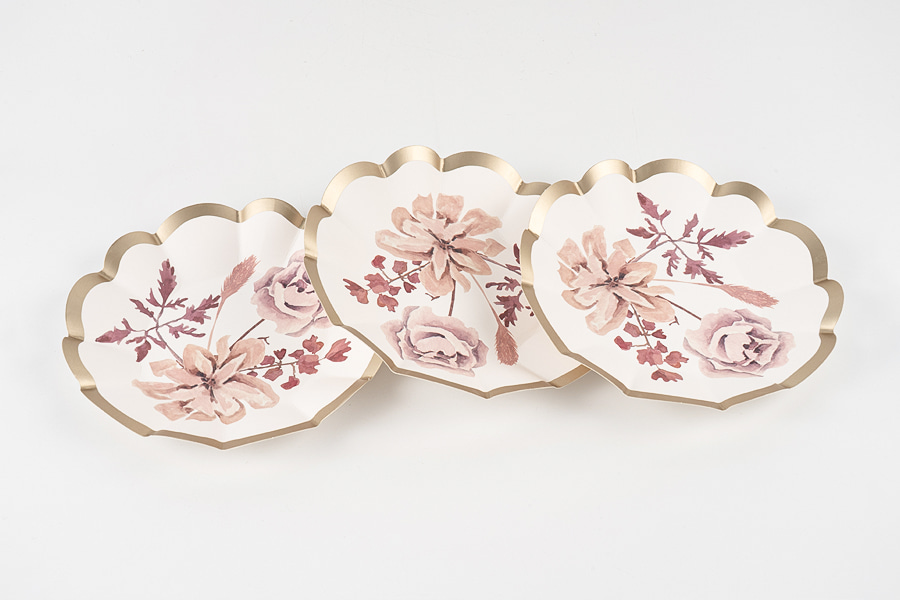
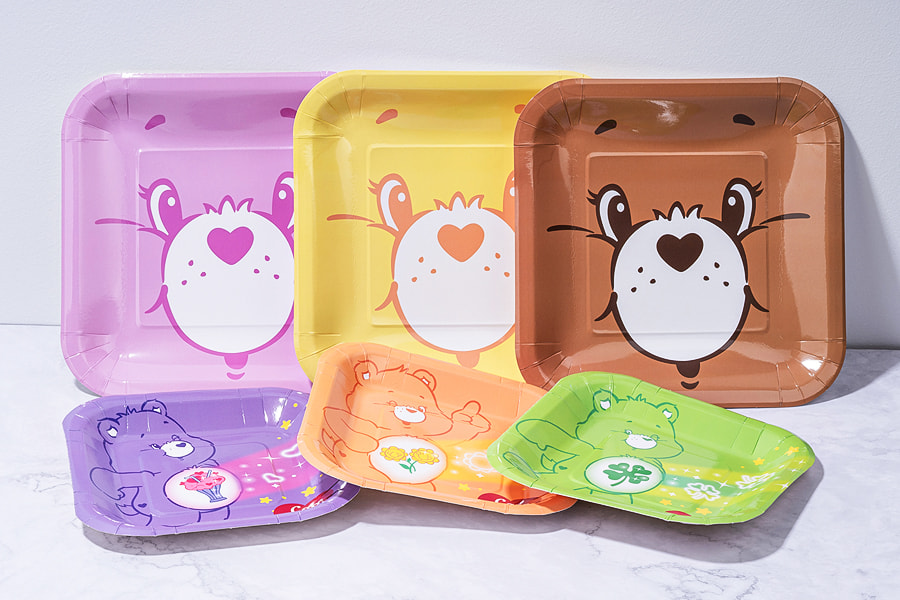
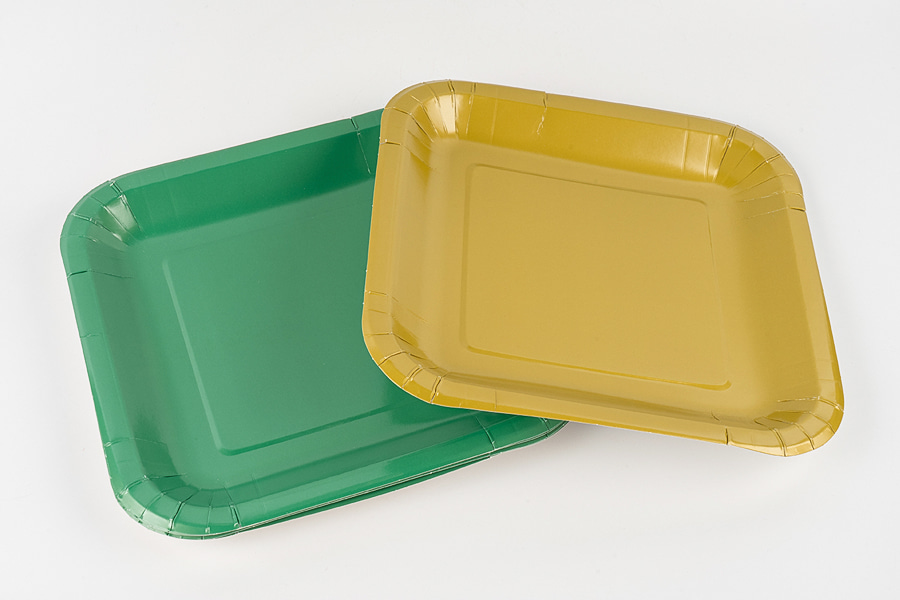
- Shape customization, including round, square, oval, and irregular profiles for distinctive table settings.
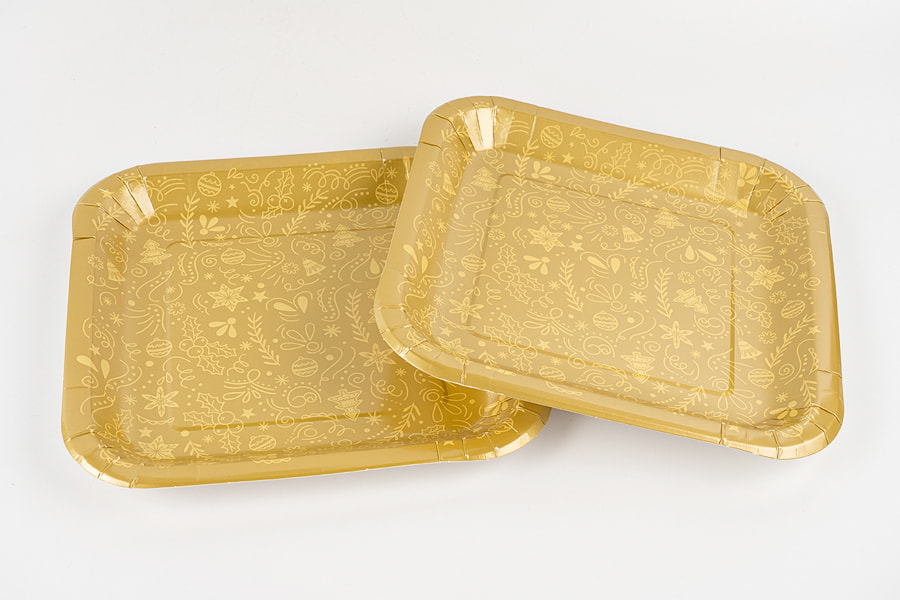
- Decorative finishing techniques such as hot stamping, embossing, and spot UV coating for a more premium feel.
- Personalized printing of brand logos, artistic patterns, and custom color palettes for milestone birthdays, weddings, or branded corporate events.
- Cartoon and character-themed prints designed specifically for children's parties, combining practicality with creative visual appeal.
For event planners and party-supply retailers, this level of customization turns a purely functional product into a branding and atmosphere tool, while still keeping the convenience of a fully disposable plate.
Practical Tips for Using Paper Plates at a Party
Even a well-made plate performs best when used correctly. A few simple habits prevent the most common party mishaps.
- Double-stack plates under heavy or very wet dishes, such as full pasta servings or saucy barbecue plates, for extra rigidity.
- Keep stacks of plates away from direct sun or humidity before the event, since prolonged moisture exposure can soften the structure even before food is added.
- Match plate size to the serving station rather than the largest plate available, since oversized plates encourage food waste and use more material per guest.
- Set up a clearly marked compost or recycling bin near the cleanup area so eco-friendly plates actually get disposed of in a way that allows them to break down properly.
Frequently Asked Questions
Are paper plates safe for hot food straight from the oven or grill?
Quality food-grade paper plates handle typical serving temperatures for hot dishes well, but they are designed for serving rather than direct oven or stovetop use, so food should be plated after cooking rather than heated on the plate itself.
Do eco-friendly paper plates cost more than standard ones?
Pricing varies by supplier and order volume, but bulk wholesale purchasing for parties and events typically narrows the price gap between standard and eco-friendly options considerably compared to small retail packs.
Can custom-printed party plates still be composted?
Most water-based printing inks used on food-grade paper plates do not interfere with compostability, though hosts should check with their specific supplier or local composting facility to confirm acceptance of printed paper products.